
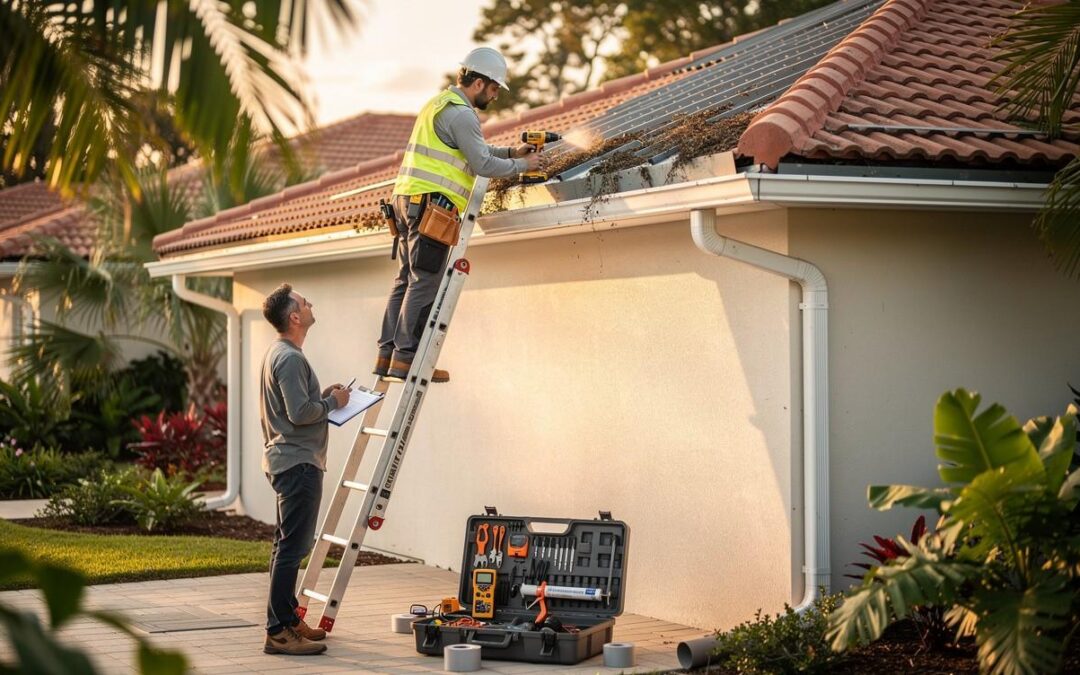
Costa Rica's tropical climate is beautiful, but it's relentless on homes. Without regular maintenance, your property deteriorates fast-and your investment suffers.
At Osa Property Management, we've seen firsthand how preventive care stops small problems from becoming expensive disasters. This guide shows you exactly what to maintain and when, so your Costa Rican home stays safe and valuable.
Why Your Costa Rican Home Needs Regular Maintenance
Costa Rica's tropical environment demands attention that most homeowners underestimate. The combination of high humidity, intense rainfall, and salt air accelerates property deterioration far faster than temperate climates. According to data from the Costa Rican National Meteorological Institute, the Pacific coast receives between 3,000 and 4,000 millimeters of annual rainfall during the rainy season alone, concentrating most of this between May and November. This isn't just about occasional storms-sustained moisture penetrates walls, corrodes metal, and creates perfect breeding grounds for destructive organisms. A home that looks fine today can face structural issues within two to three years without intervention.
The Financial Reality of Deferred Maintenance
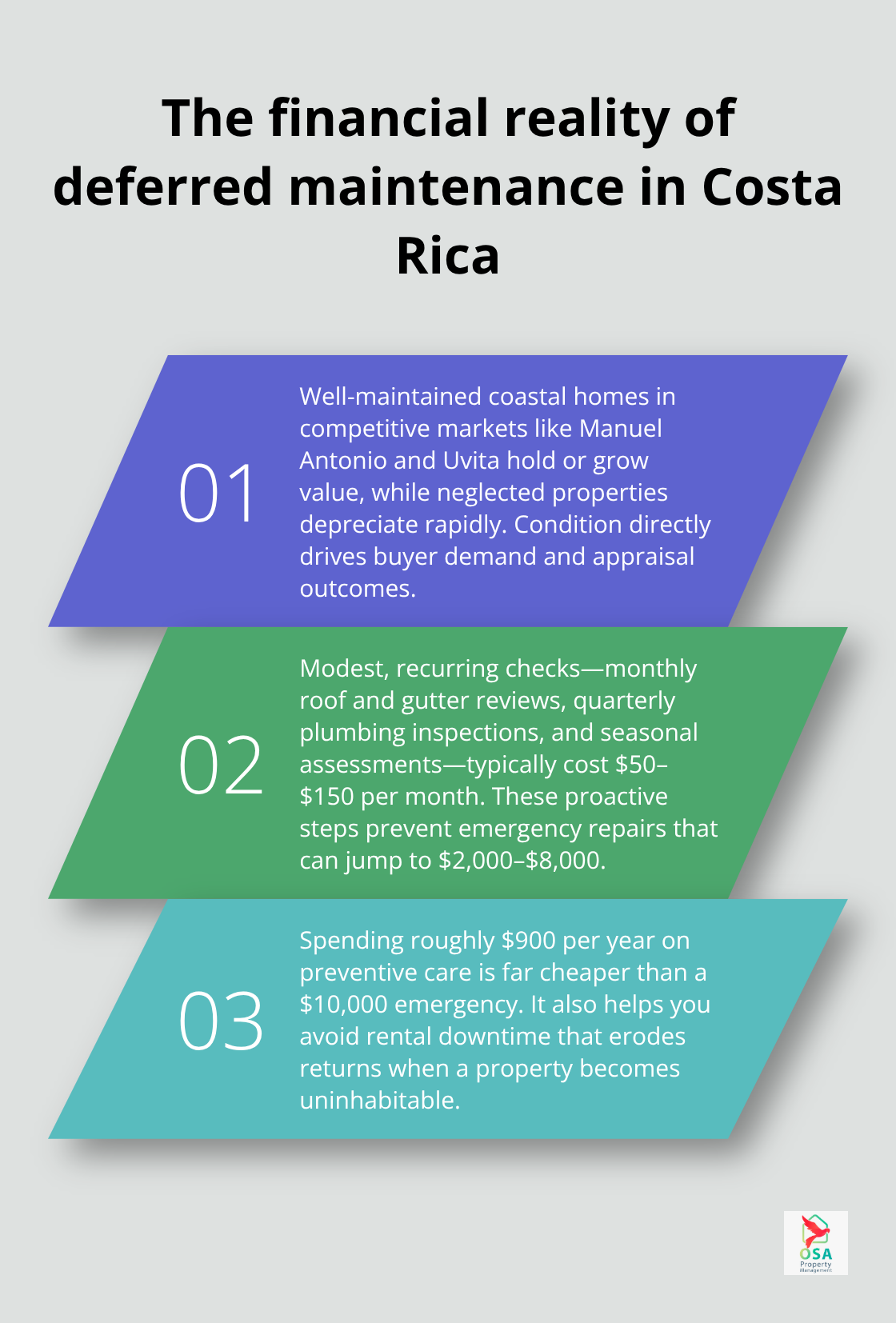
Property values in Costa Rica's competitive markets depend heavily on condition. Real estate data from the Central Bank of Costa Rica shows that coastal properties in regions like Manuel Antonio and Uvita appreciate when properly maintained, but depreciate at double that rate when neglected.
Climate Damage and Property Longevity
The tropical climate creates specific vulnerabilities that differ entirely from North American or European homes. Wooden components deteriorate rapidly without protection-a typical wooden deck or fence loses structural integrity within 3-5 years without treatment, while protected wood lasts 15-20 years. Metal fixtures corrode from salt air exposure, particularly in properties within five kilometers of the coast. Concrete and stucco develop microfractures from thermal expansion and moisture cycling, creating pathways for water infiltration that leads to mold and internal structural damage. These climate-specific threats require consistent attention, not optional upkeep.
Why Delayed Action Costs More
We at Osa Property Management have seen properties where owners postponed maintenance for just 18 months and faced repair bills exceeding $15,000-problems that quarterly inspections costing a fraction of that amount could have prevented. Your home's longevity directly correlates to how consistently you address these climate-specific threats. The mathematics are straightforward: small problems caught early stay small, while ignored issues compound into expensive emergencies. Understanding what maintenance issues actually emerge in Costa Rica's climate helps you prioritize what matters most.
What Actually Goes Wrong With Costa Rican Homes
Mold Spreads Faster Than You Think
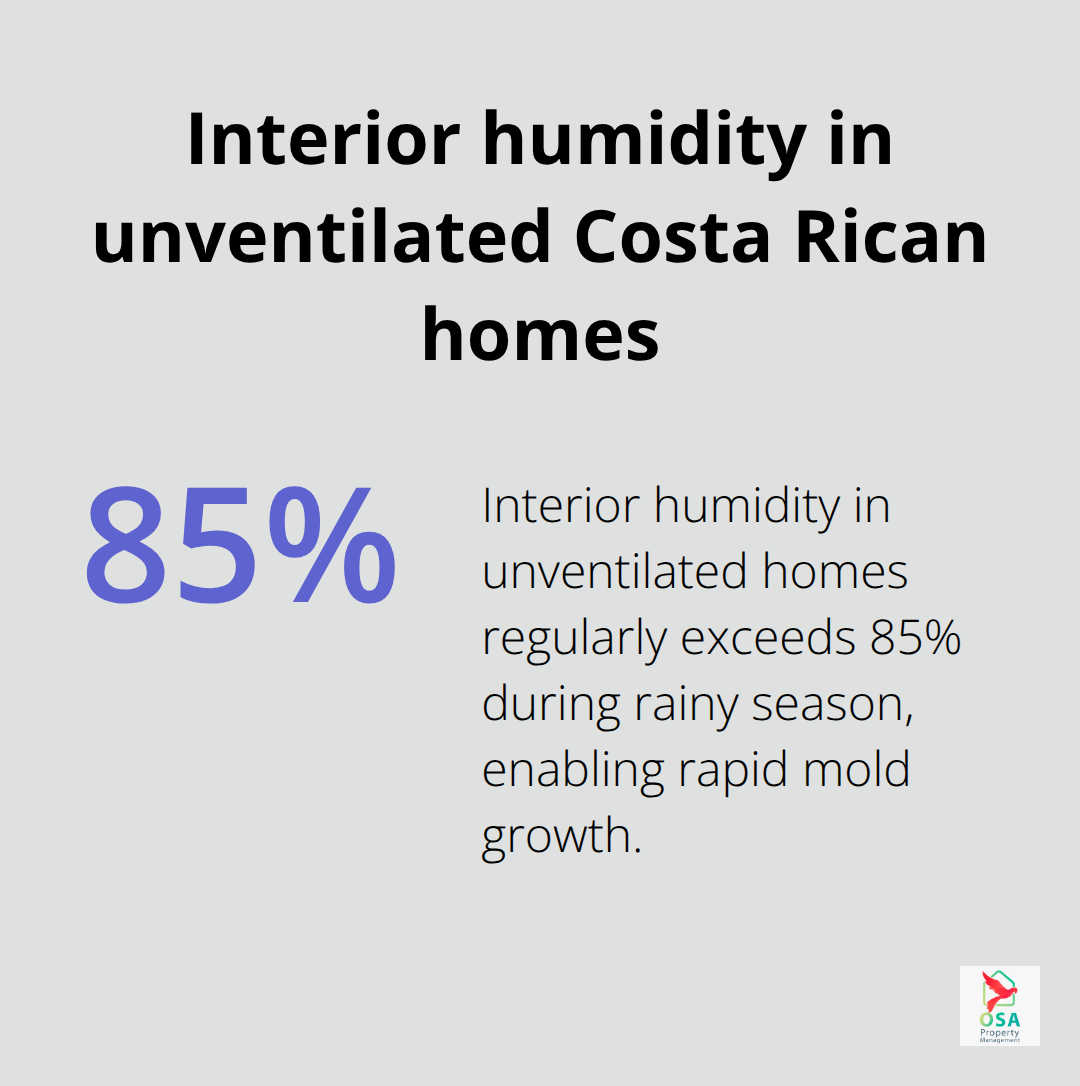
Mold represents a structural threat in Costa Rica, not a cosmetic problem. It spreads aggressively in humidity levels between 40 to 85 percent, which is standard for most of the country during rainy season. The National Meteorological Institute data shows that interior humidity in unventilated homes regularly exceeds 85%, creating conditions where mold colonies double in size every 24 to 48 hours. Mold penetrates drywall, wood framing, and insulation, weakening structural integrity while releasing spores that make properties uninhabitable.
Homes without active dehumidification and cross-ventilation systems develop visible mold within 6 to 12 months of construction. Prevention stops mold before it starts-cleaning mold after it appears only addresses the symptom. Install exhaust fans in bathrooms and kitchens that run continuously during rainy season, not just when in use. This constant air circulation removes moisture before mold colonies establish themselves.
Gutters require monthly cleaning because debris blockages force water to cascade down exterior walls, saturating the foundation and creating moisture pathways into interior spaces. Check roof flashing monthly during rainy season because even hairline gaps allow water infiltration that spreads through attic spaces before you notice interior damage. These two tasks cost almost nothing but prevent thousands in water damage.
Flooding Follows Predictable Patterns
Structural damage from flooding emerges in a predictable sequence that most owners don't anticipate until it becomes catastrophic. Costa Rica's Pacific coast receives concentrated rainfall that overwhelms drainage systems-properties sitting just 50 meters from streams or in low-lying areas face flooding risk that increases measurably every year as upstream development reduces natural water absorption.
Heavy rainfall events occur roughly 15 to 20 times annually during peak rainy season (September and October), depositing 200 to 300 millimeters of water within 24 hours. Concrete foundations absorb this water like a sponge, and without proper grading and drainage systems, water pressure builds against foundation walls, causing cracks that expand from hairline fractures to structural failures within months. Elevation and drainage systems matter far more than most homeowners realize when purchasing property in Costa Rica.
Pests Thrive in Moisture
Pest populations explode in humid conditions-termite colonies establish themselves within walls where they consume wood framing undetected for years before visible damage appears. Rodents and cockroaches thrive in moisture-rich environments and contaminate properties with disease vectors. Monthly inspections must include checking for mud tubes on exterior walls (termite evidence), droppings in corners and under sinks (rodent activity), and soft spots in wooden structures (termite damage).
Seal every external opening larger than 3 millimeters because insects navigate impossibly small gaps. Store food in airtight containers and remove standing water from sinks and plant saucers daily because these attract pests within hours. Professional pest control treatments cost $200 to $400 quarterly but prevent infestations that require complete structural remediation costing $5,000 to $20,000. These maintenance investments protect your property far more effectively than reactive treatments after infestation occurs.
Building a Maintenance Schedule That Protects Your Investment
Monthly Tasks That Take 30 Minutes
The difference between homeowners who spend $900 annually on maintenance and those who face $15,000 emergency repairs comes down to one thing: a written schedule you actually follow. Your schedule must account for Costa Rica's rainy season concentration between May and November, when 70 to 80 percent of annual rainfall occurs. Start with monthly tasks that take 30 minutes: inspect gutters for debris blockages that force water down exterior walls, check bathroom and kitchen exhaust fans to confirm they're running without obstruction, and walk the property perimeter looking for mud tubes on foundation walls or wooden structures that indicate termite activity.
Quarterly Inspections Every Three Months
Quarterly inspections catch problems before they require contractor visits costing $500 to $2,000. Verify roof flashing, check for soft spots in wooden elements by pressing firmly with a screwdriver, test that all exterior drains flow freely, and inspect foundation cracks for expansion beyond hairline width. These quarterly checks cost nothing but your time and prevent expensive damage from spreading undetected through your property.
Seasonal Preparation Before Rainy Season
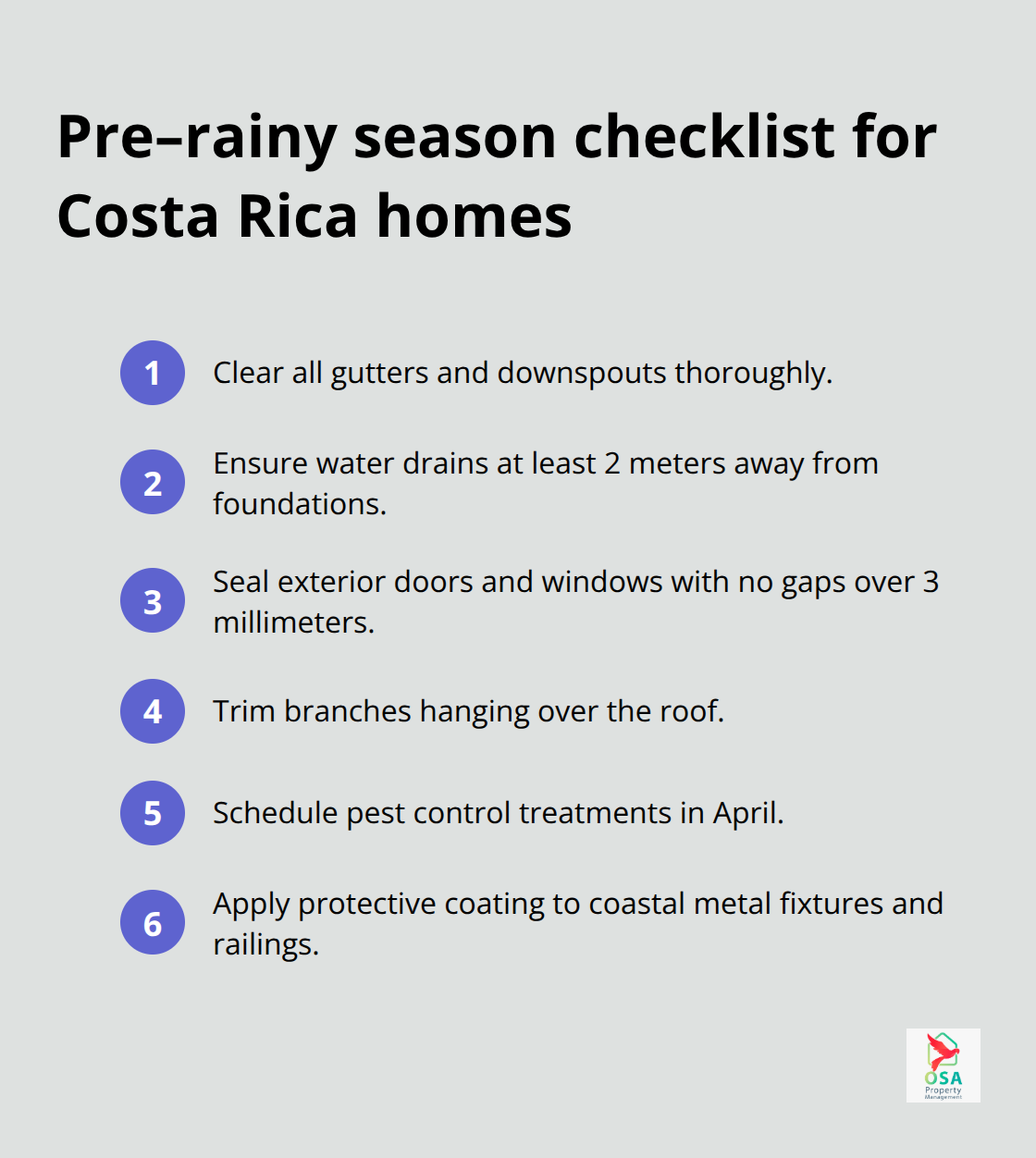
Seasonal preparation before rainy season arrival (late April) determines whether your property survives the wet months intact. Clear all gutters and downspouts completely, test that water drains at least two meters from foundation walls, verify that all exterior doors and windows seal properly with no gaps wider than 3 millimeters, and trim tree branches hanging over the roof so they don't accumulate debris or damage roofing during storms.
Working With Local Maintenance Companies
Hiring local maintenance companies familiar with Costa Rican climate challenges matters significantly more than trying to manage everything yourself from abroad. These companies understand how tropical conditions damage specific property types and respond quickly when urgent issues emerge during rainy season storms. Relationships built over years give access to reliable technicians who prioritize maintenance emergencies and charge fair rates rather than inflated prices targeting foreign property owners unfamiliar with local market costs. Local expertise proves invaluable when you need rapid response to flooding, mold outbreaks, or pest infestations that threaten your investment.
Final Thoughts
Consistent maintenance transforms home safety in Costa Rica from a constant worry into a manageable reality. The $900 to $1,200 you spend annually on preventive care protects your investment by stopping small problems before they become expensive emergencies. Properties that receive regular attention maintain their value in competitive markets, while neglected homes depreciate rapidly regardless of their initial purchase price.
Professional property management support handles this burden completely. We at Osa Property Management manage maintenance schedules, coordinate with trusted local companies, and respond immediately when urgent issues emerge. Our team across Tarcoles, Jaco, Dominical, Manuel Antonio, Ojochal, Uvita, and Golfito understands exactly how Costa Rica's tropical climate damages specific property types and which preventive measures actually work.
Contact Osa Property Management to discuss how professional management protects your Costa Rican home. Whether you need a customized maintenance plan, full property management services, or help securing reliable renters, our team handles the details so your investment stays safe and valuable. Your home's future depends on action taken today.
To be contacted by an Osa Property Management representative and to learn more about our services, please send an email to info@osapropertymanagement.com or send a WhatsApp message to +17633068981 or +50671001006 / Para que un representante de Osa Property Management se ponga en contacto con usted y obtener más información sobre nuestros servicios, por favor envíe un correo electrónico a info@osapropertymanagement.com o un mensaje de WhatsApp al +17633068981 o al +50671001006.
Vacation rentals: https://costaricalasvillas.com