
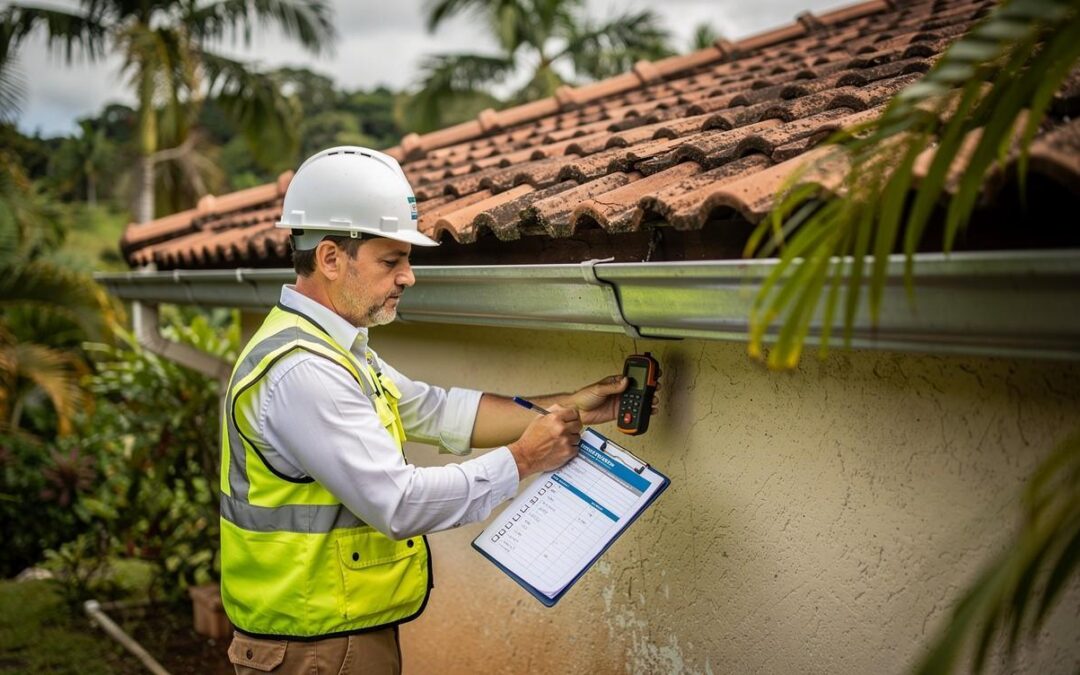
Property inspections in Costa Rica aren't optional-they're your first line of defense against hidden problems that can drain your savings. Whether you're buying beachfront property or a mountain retreat, skipping this step puts your investment at serious risk.
We at Osa Property Management have seen too many owners face unexpected structural damage, plumbing failures, and pest infestations that could have been caught early. This guide walks you through what inspections reveal, how to find a qualified inspector, and why professional oversight matters.
Common Issues Found in Costa Rican Properties
Environmental Threats That Accelerate Property Damage
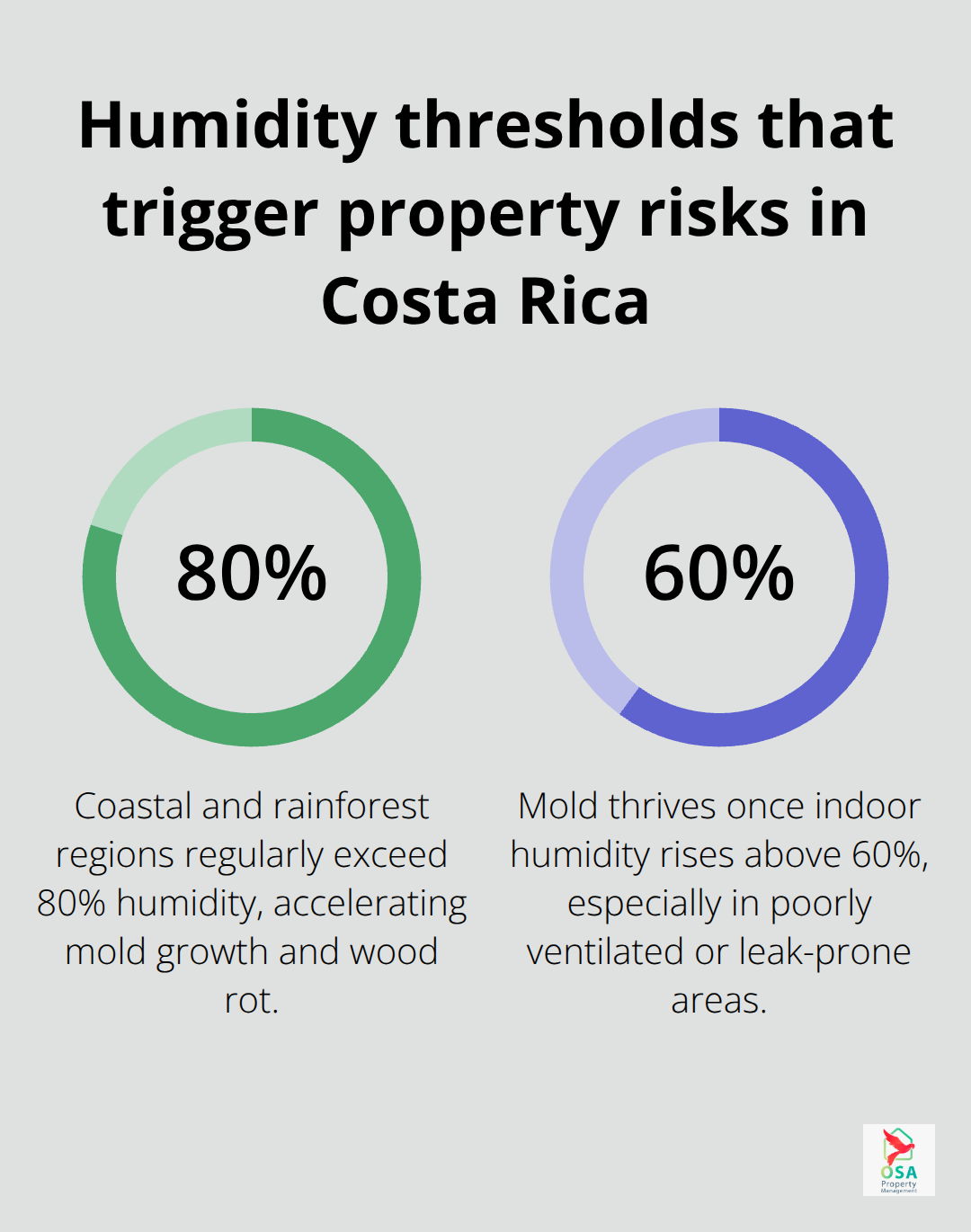
Costa Rican properties face distinct environmental and structural challenges that mainland properties rarely encounter. Humidity levels in coastal and rainforest regions regularly exceed 80%, creating ideal conditions for mold growth and wood rot. Mold appears in properties that lack proper ventilation or have roof leaks, sometimes within just two years of purchase.
Water and Corrosion Problems
Plumbing systems fail prematurely due to mineral-heavy water that corrodes pipes faster than in drier climates. Saltwater corrosion accelerates this problem dramatically for beachfront properties. Foundation settling occurs frequently on properties built on volcanic or clay-based soil, particularly during heavy rainy seasons when water saturation changes soil density.
Electrical and Water System Hazards
Electrical systems installed before 2010 frequently lack proper grounding or circuit protection standards, creating fire hazards that insurance companies now scrutinize closely. Many older properties also have outdated water systems prone to contamination or pressure failures during dry season demand spikes.
How Early Detection Saves Money and Protects Your Coverage
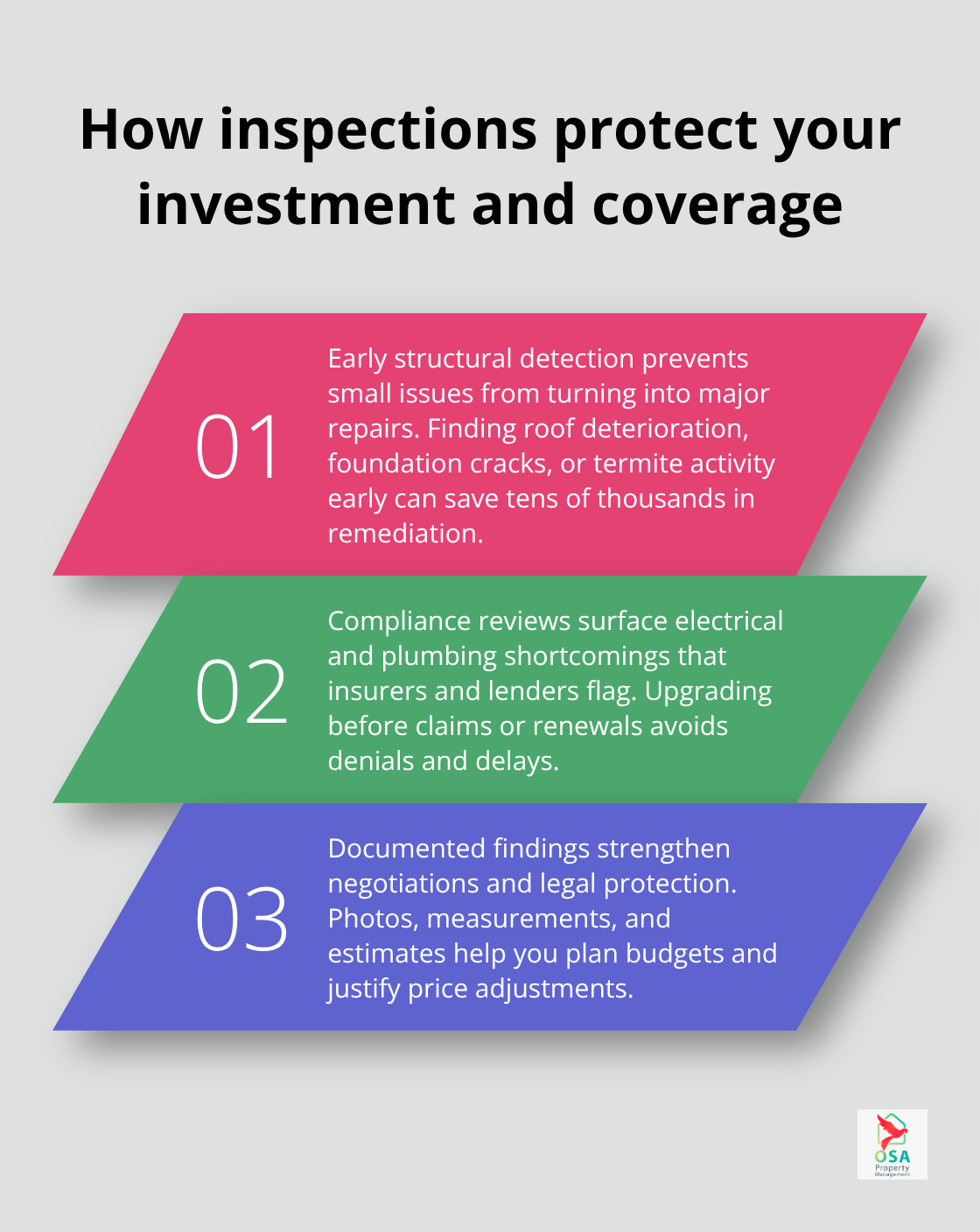
Property inspections prevent expensive repairs by identifying these issues before they escalate. A structural assessment catches foundation cracks, roof deterioration, and termite damage early, potentially saving tens of thousands in remediation costs. Electrical and plumbing evaluations reveal outdated systems that insurance providers may refuse to cover without upgrades.
Insurance requirements in Costa Rica mandate inspections for properties before policies renew, and most lenders require inspections before approving mortgages. Without documentation from a certified inspector, you'll face higher insurance premiums, difficulty selling the property later, and potential liability issues if accidents occur on the premises. Costa Rica's National Insurance Institute increasingly denies claims for damage related to maintenance issues that an inspection would have revealed, making professional documentation essential for protecting yourself legally.
Understanding what inspectors actually find during their assessments helps you prepare for the process and ask the right questions.
What Inspectors Actually Find in Costa Rican Properties
Structural Assessment and Foundation Integrity
A professional property inspection in Costa Rica examines three critical areas that determine whether your investment remains sound or deteriorates rapidly. Structural assessments identify foundation cracks, roof damage, and wood rot caused by the region's persistent humidity and heavy rainfall patterns. Inspectors probe wooden beams, check for soft spots indicating termite activity, and evaluate how well the property drains water away from foundations.
Coastal properties receive additional scrutiny for saltwater corrosion affecting concrete, metal fixtures, and reinforcing steel. Inspectors measure foundation settling using laser levels and compare current conditions against baseline standards, flagging problems that worsen during rainy seasons when soil saturation increases pressure on foundations built on volcanic or clay soils.
Electrical and Plumbing System Evaluation
Electrical and plumbing systems get tested for code compliance, proper grounding, and corrosion. Older systems installed before 2010 frequently lack circuit protection standards that insurance companies now require, and inspectors document these deficiencies so you understand upgrade costs before they become claim denials.
Water pressure tests reveal contamination risks and identify mineral buildup in pipes that accelerates corrosion in tropical climates. Inspectors test each fixture, measure water flow rates, and assess whether the system meets current safety codes. This evaluation protects you from inheriting expensive plumbing failures that emerge months after purchase.
Pest Damage and Mold Assessment
Pest damage and mold assessment separates adequate inspections from thorough ones. Inspectors use moisture meters to detect humidity levels exceeding the 60% threshold where mold thrives, checking crawl spaces, bathrooms, and areas near roof leaks where problems hide from casual observation.
Termite inspections involve physical probing of wood structural elements and identification of mud tubes or damaged wood that signals active infestations. Costa Rican termite species work year-round in warm conditions, so early detection prevents structural compromise that costs exponentially more to repair later. A comprehensive inspection report documents each finding with photographs, measurements, and repair cost estimates, giving you concrete data to negotiate with sellers or plan your maintenance budget.
Understanding what inspectors find matters, but selecting the right inspector determines whether you actually receive accurate, actionable information about your property's condition.
How to Choose the Right Property Inspector in Costa Rica
Certifications and Local Expertise Matter Most
Finding a competent property inspector in Costa Rica requires more scrutiny than many property owners realize. Most inspectors operating in the country lack formal certification systems that exist in North America or Europe, which means you cannot rely on a single credential to verify expertise. Costa Rica has no mandatory national licensing board for property inspectors, so anyone can claim the title without meeting standardized requirements.
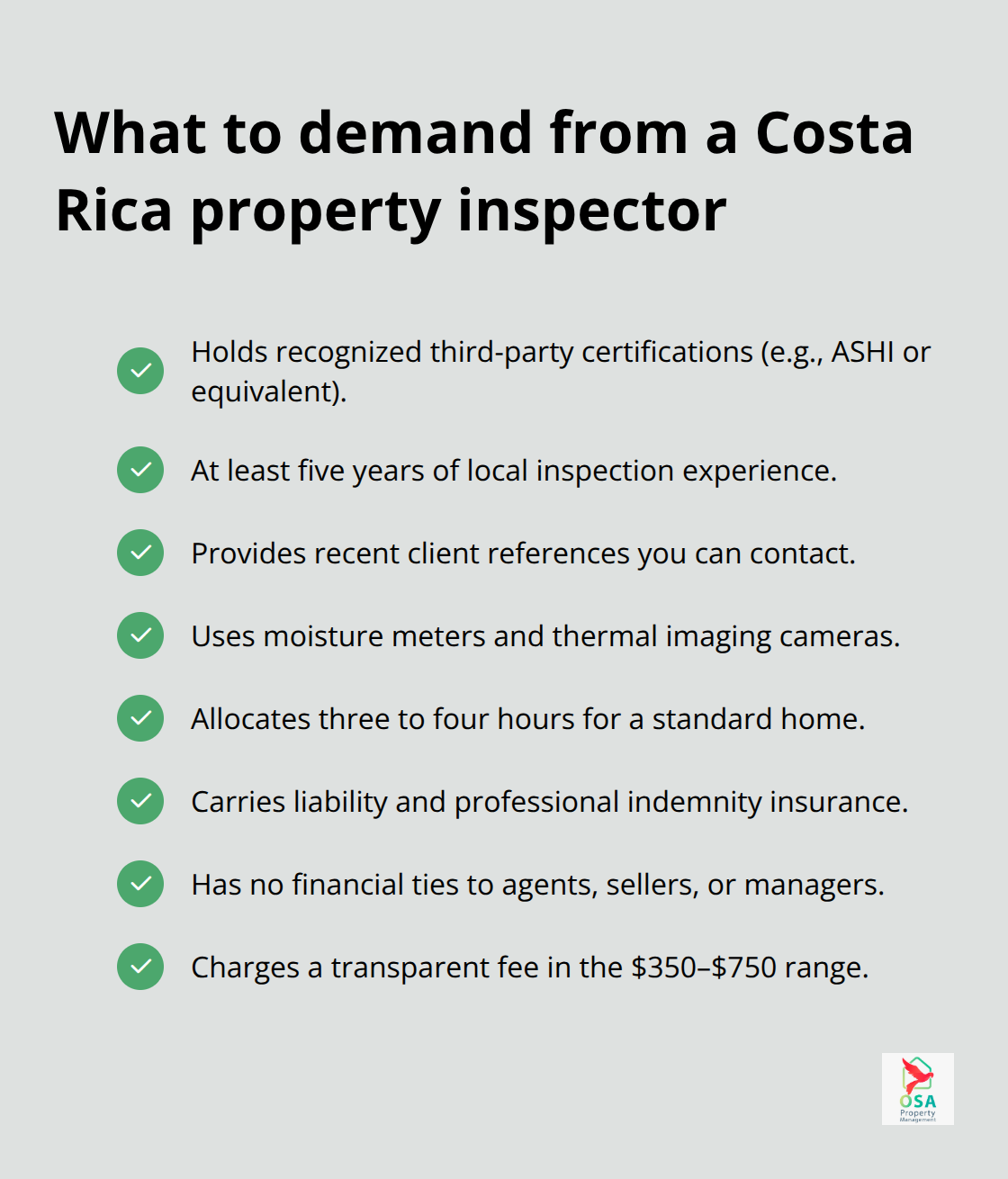
Look for inspectors who hold certifications from organizations like the American Society of Home Inspectors or similar international bodies, as these indicate formal training in structural assessment, electrical evaluation, and pest detection. Local experience matters enormously because an inspector who has worked in Costa Rica for at least five years understands how tropical humidity, volcanic soils, and seasonal rainfall patterns affect properties differently than inspectors trained only in temperate climates.
Questions That Reveal True Expertise
Ask potential inspectors directly about their experience with termite damage assessment, mold detection in high-humidity environments, and coastal corrosion issues specific to beachfront properties. Request references from recent clients and contact at least two of them to confirm the inspector caught problems that actually required repairs. Thorough inspections in Costa Rica typically cost between $350 and $750 depending on property size and complexity. Inspectors charging $200 or less often rush through assessments or lack proper equipment like moisture meters and thermal imaging cameras that reveal hidden water damage and electrical hazards.
Red Flags to Avoid When Selecting an Inspector
If an inspector cannot explain how they assess foundation settling on volcanic soil or describe their specific process for identifying active termite infestations, move forward with someone else. Inspectors who promise to complete full assessments in under two hours for standard residential properties are cutting corners, as thorough inspections require three to four hours minimum.
Avoid anyone who offers to negotiate their findings or suggests they can influence insurance coverage through their report wording, as this indicates willingness to compromise accuracy. Inspectors who lack liability insurance or cannot provide proof of professional indemnity coverage represent a risk, since you have no recourse if their negligence causes you financial harm. Most importantly, select an inspector with no financial ties to real estate agents, sellers, or property management companies involved in the transaction (this independence protects your interests and ensures objective findings).
Why Independence Protects Your Investment
Conflicts of interest compromise objectivity and leave you vulnerable to overlooked problems. An inspector who profits from a quick sale or maintains relationships with parties in the transaction will prioritize those relationships over your protection. When you select an inspector, prioritize those with extensive local knowledge and a track record of working with foreign buyers. Obtaining inspection reports from independent inspectors before engaging property management services provides documentation that helps identify maintenance priorities and budget accurately for ongoing property care.
Final Thoughts
Property inspections in Costa Rica reveal problems that destroy investment value when left unaddressed. Foundation cracks, active termite damage, and electrical code violations require immediate attention before they escalate into catastrophic failures. You now understand what inspectors actually find, how to select someone qualified to assess your property accurately, and why skipping this step exposes you to structural damage, pest infestations, mold, and insurance claim denials.
After you receive your inspection report, prioritize repairs that affect structural integrity or create safety hazards. Document all repairs with photographs and receipts, as this protects your insurance coverage and increases property value when you eventually sell. Humidity, rainfall, and pest pressure never stop working against your investment, which means annual inspections catch new problems before they become expensive.
We at Osa Property Management work with property owners across Tarcoles, Jaco, Dominical, Manuel Antonio, Ojochal, Uvita, and Golfito to implement inspection findings and manage maintenance schedules. Our team oversees trusted maintenance companies, handles bill payments, manages renter relationships, and ensures your property stays protected year-round (with over 20 years of experience and recognition as the 2025 Company of the Year by COTUOSA). Contact Osa Property Management to transform your property inspections Costa Rica findings into actionable maintenance plans that preserve your investment and maximize returns.
To be contacted by an Osa Property Management representative and to learn more about our services, please send an email to info@osapropertymanagement.com or send a WhatsApp message to +17633068981 or +50671001006 / Para que un representante de Osa Property Management se ponga en contacto con usted y obtener más información sobre nuestros servicios, por favor envíe un correo electrónico a info@osapropertymanagement.com o un mensaje de WhatsApp al +17633068981 o al +50671001006.
Vacation rentals: https://costaricalasvillas.com