

Costa Rica’s tropical climate is beautiful, but it’s relentless on properties. Humidity, salt air, and heavy rains damage roofs, corrode metal, and invite pests faster than most homeowners expect.
We at Osa Property Management have seen what happens when maintenance gets delayed-and the repair bills that follow. The good news is that smart home maintenance tips prevent most of these problems before they start.
What Climate Threats Damage Costa Rica Properties Most
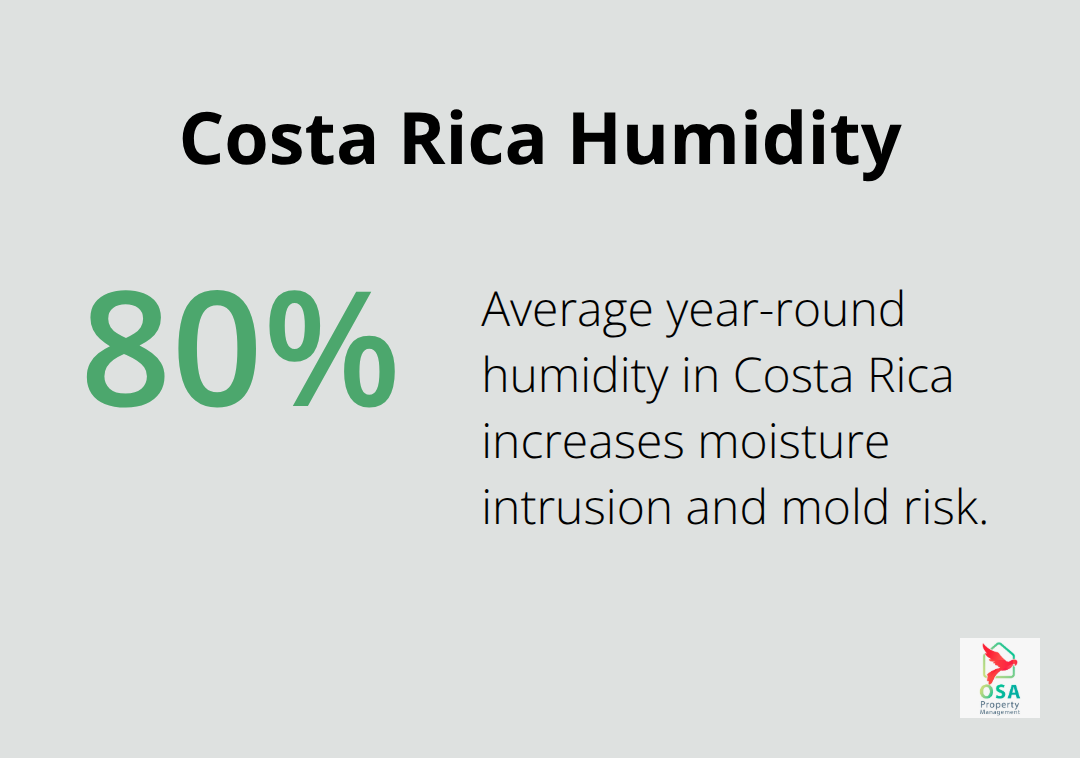
Humidity in Costa Rica averages 80% year-round, and this constant moisture penetrates walls, corrodes metal fasteners, and accelerates mold growth far faster than in temperate climates. Water damage from the rainy season-which lasts up to eight months-causes the majority of structural problems in properties across the region.
Roofs leak not just from heavy downpours but from moisture trapped in attics and under tiles; bi-annual roof inspections cost between $150 and $300 each and catch small leaks before they become $20,000 repairs. Gutters clogged with debris during the rainy season fail to channel water away, leading to foundation damage and interior wall rot. Plumbing systems suffer from mineral-rich water that clogs pipes and corrodes connections, making annual professional plumbing checks non-negotiable rather than optional.
Coastal Properties Face Accelerated Corrosion
Salt air corrodes exposed metal, fasteners, and exterior finishes at rates that inland properties never experience. Coastal homes need exterior repainting every 2–3 years at a cost of $2,000–$5,000, while inland properties can stretch to 4–5 years between full repaints. Stainless steel fasteners, marine-grade materials, and sealants rated for salt exposure are not luxuries-they are requirements that prevent rust damage from spreading to underlying structures. Metal roofing in coastal areas requires inspection every six months rather than annually because salt air accelerates corrosion of fasteners and seams.
Pest Pressure Demands Monthly Vigilance
Termites and wood-boring insects thrive in Costa Rica’s warm, humid environment and cause structural damage that rivals water damage in severity and cost. Quarterly licensed pest-control inspections cost $50–$100 per month but prevent infestations that compromise wooden framing, beams, and flooring. Sealing cracks and gaps with silicone caulk or steel wool stops pests from entering before they establish colonies. Termite-resistant materials like teak and melina, combined with proper wood treatment, reduce vulnerability significantly. Neglecting pest control for even one season allows infestations to spread to multiple rooms and multiply repair costs exponentially.
Why Professional Inspections Matter
Property owners who tackle maintenance alone often miss early warning signs that professionals catch immediately. Roof inspections reveal hidden moisture pockets and loose fasteners before leaks develop. Plumbing assessments identify mineral buildup and corrosion in pipes before they rupture. Pest inspections detect termite activity in walls and foundations long before visible damage appears. These inspections (typically scheduled bi-annually for roofs and quarterly for pest control) transform reactive emergency repairs into manageable preventive work that protects your investment.
The climate threats in Costa Rica don’t pause, and neither should your maintenance efforts. Understanding what damages properties fastest helps you prioritize where to invest your maintenance budget and when to call in qualified professionals.
Essential Maintenance Tasks for Costa Rica Homeowners
Roof and Gutter Systems: Your First Line of Defense
Water intrusion causes more structural damage than any other single threat in Costa Rica, making roof and gutter maintenance your top priority. Schedule regular roof inspections before and after the rainy season, costing $150–$300 per inspection, to catch deteriorating tiles, loose fasteners, and blocked drainage before leaks develop into five-figure repairs. During these inspections, professionals check for moisture trapped under tiles and in attic spaces, which breeds mold and rots wooden framing silently. Quarterly gutter cleaning removes debris that blocks water flow during heavy downpours, preventing water from cascading down exterior walls and saturating foundations.
Coastal properties demand more aggressive roof maintenance than inland homes. Inspect roofing every six months rather than annually because salt air corrodes metal fasteners and seams faster than inland properties experience. If your roof is older than 15 years, prioritize replacement with metal roofing featuring marine-grade fasteners and proper ventilation to extend its lifespan and reduce maintenance frequency.
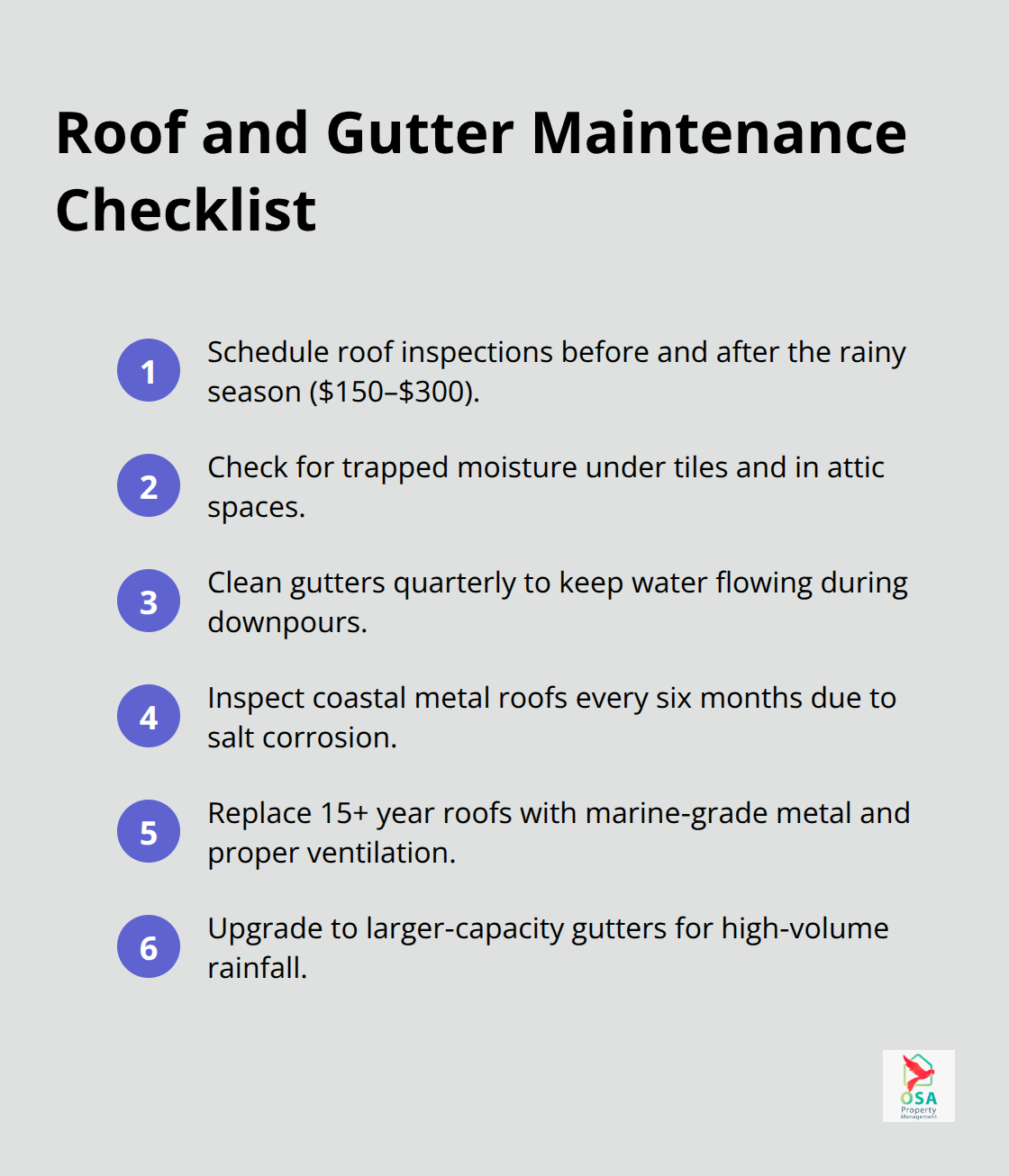
Gutter systems must handle tropical rainfall volumes; standard gutters often overflow during the rainy season, so consider upgrading to larger-capacity systems rated for high-volume water discharge.
Plumbing Systems: Preventing Mineral Buildup and Corrosion
Mineral-rich water deposits scale inside pipes and corrodes copper and steel connections over time, making annual professional servicing non-negotiable. A licensed plumber inspects water lines, checks pressure-relief valves, and flushes mineral buildup annually before it restricts flow or ruptures pipes. Septic systems require pumping every 2–3 years at a cost of $300–$500 per service; delaying this work causes backups and expensive repairs to drain fields.
Install water leak sensors in kitchens, bathrooms, and under sinks for $50–$100 each to detect leaks before they saturate walls and flooring. These devices alert you to problems that would otherwise go unnoticed until significant damage occurs, making them one of the most cost-effective preventive investments available.
Pest Control: Monthly Vigilance Against Termites and Insects
Termites and wood-boring insects thrive in Costa Rica’s warm, humid environment and cause structural damage that rivals water damage in severity and cost. Pest control must happen monthly at $50–$100 per month, not quarterly, because termites and wood-boring insects reproduce rapidly in warm, humid conditions and colonize new areas within weeks if left unchecked. Hire only licensed pest-control companies that use termite-resistant treatments and seal entry points with silicone caulk or steel wool to block reinfestation.
Termite damage to wooden framing, beams, and flooring compounds quickly; early detection through monthly inspections prevents infestations from compromising structural integrity and triggering repairs exceeding $30,000. Termite-resistant materials like teak and melina, combined with proper wood treatment, reduce vulnerability significantly. Neglecting pest control for even one season allows infestations to spread to multiple rooms and multiply repair costs exponentially.
Integrating These Tasks Into Your Maintenance Strategy
These three maintenance pillars-roof drainage, plumbing integrity, and pest suppression-form the foundation of property protection in Costa Rica’s climate. Coordinating these tasks with a maintenance calendar prevents gaps in coverage and ensures that seasonal threats receive attention at the right time. The next step involves creating a structured maintenance schedule that accounts for Costa Rica’s specific climate patterns and your property’s individual vulnerabilities.
Building a Maintenance System That Actually Works
Establish a Dual-Calendar Approach for Year-Round Protection
Costa Rica’s climate demands year-round vigilance with seasonal intensification, so a single maintenance schedule won’t protect your property adequately. We at Osa Property Management recommend establishing quarterly inspections as your baseline (roof, plumbing, pest control, exterior surfaces) and intensifying these to bi-monthly checks during the rainy season from May through November when water damage and mold accelerate fastest. Document every inspection with photos and detailed notes in a cloud-based system so you track patterns over time-if gutter overflow occurs consistently in July, you know to schedule preventive cleaning in June. Schedule roof inspections specifically in April (before rainy season) and October (mid-season) rather than spreading them randomly throughout the year.
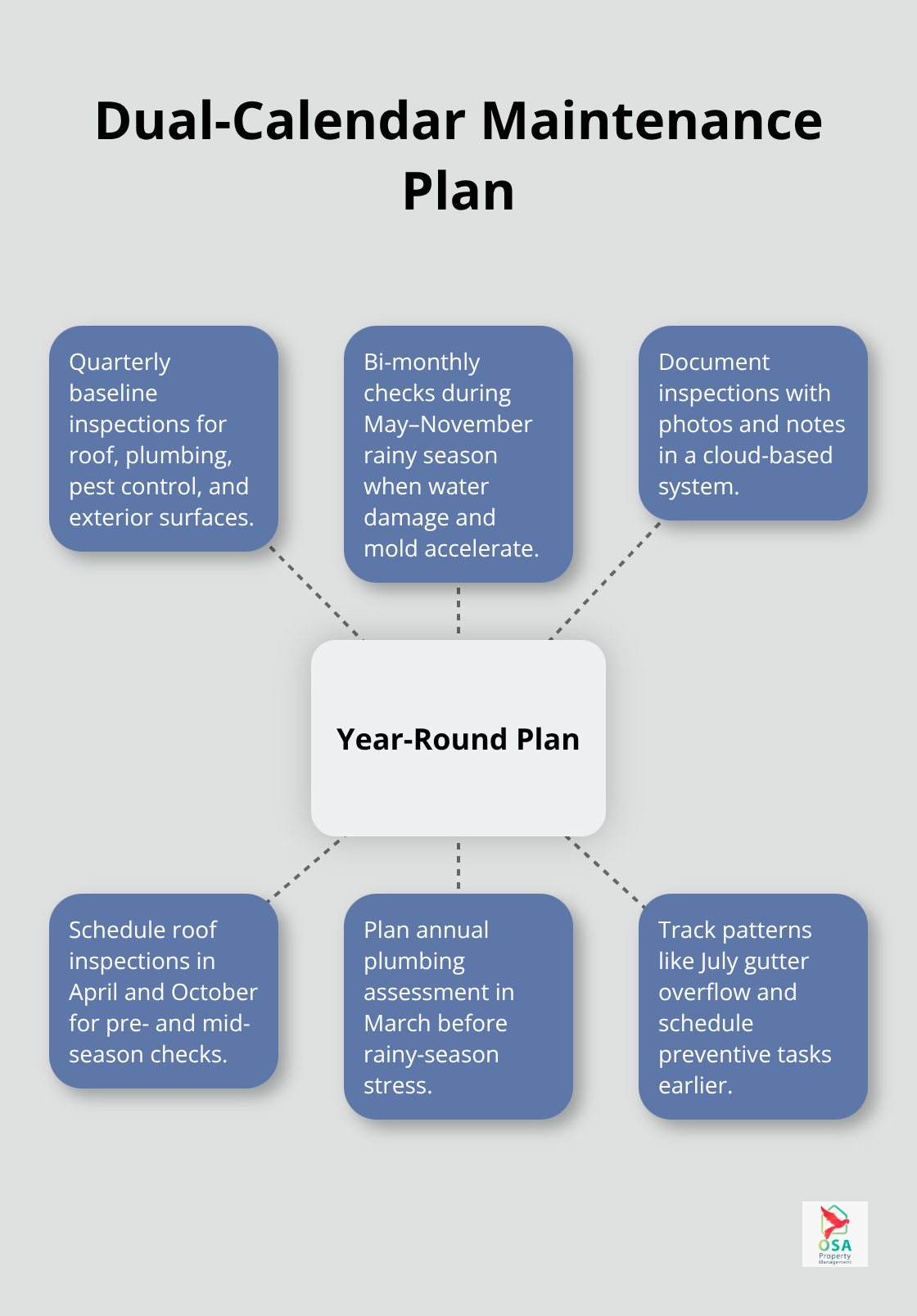
Plumbing checks should happen annually in March before the rainy season stresses your drainage systems.
Prioritize Monthly Pest Control Over Quarterly Visits
Pest control requires monthly visits year-round, not quarterly, because termites and wood-boring insects reproduce rapidly in warm humidity. Skipping even one month allows colonies to expand into new structural areas and multiply repair costs exponentially. Monthly inspections cost $50–$100 per month but prevent infestations that compromise wooden framing, beams, and flooring. Coastal properties demand aggressive maintenance: schedule exterior repainting touch-ups every 18 months instead of waiting until year three, because salt air degrades finishes faster than inland properties experience. Mark these dates in a shared calendar accessible to your contractors so they anticipate work and avoid scheduling conflicts.
Budget Accurately and Track Spending Monthly
Annual maintenance budgets typically run 1–3% of property value; a $300,000 home requires $3,000–$9,000 yearly, which breaks down to approximately $250–$750 monthly. Track actual spending against this budget monthly rather than annually so you catch cost overruns early and adjust contractor rates if necessary. This approach prevents surprise expenses and helps you identify whether your contractors are delivering value or inflating costs.
Hire Qualified Local Contractors With Verified Credentials
Qualified local contractors matter far more than finding the cheapest option available. Verify that plumbers, electricians, and pest-control companies hold current licenses, maintain liability insurance, and carry worker’s compensation coverage-these protect you legally if someone gets injured on your property. Request three quotes for any major work, but don’t automatically choose the lowest bid; compare what each quote includes (materials, labor hours, warranty, cleanup) to understand why prices differ. Check references from at least two previous clients and actually call them rather than accepting names without verification. Build relationships with 3–4 trusted contractors in each trade so you have backups when your primary contact is unavailable. Demand itemized invoices showing labor, materials, and additional charges separately so you identify overcharges and unnecessary services.
Understand Costa Rica’s Building Codes and Permit Requirements
For major structural work requiring permits, hire only CFIA-certified architects or contractors who understand Costa Rica’s building codes and can obtain Uso de Suelo certificates and INVU plan approvals without cutting corners. Interview contractors about their experience with tropical climate challenges specifically-someone who understands mineral-rich water impacts on plumbing or salt air corrosion rates will prevent problems that generalist contractors miss entirely. Avoid contractors who quote significantly below market rates, as this typically signals inexperience or use of substandard materials that fail prematurely in Costa Rica’s harsh environment. Establish long-term contracts with preferred vendors offering discounts through established contractor networks that streamline costs and improve service reliability.
Final Thoughts
Protecting Costa Rica properties requires consistent action, not occasional attention. The home maintenance tips covered throughout this guide-bi-annual roof inspections, monthly pest control, annual plumbing checks, and quarterly exterior assessments-form a system that prevents expensive repairs before they happen. Properties that receive regular maintenance experience fewer emergencies, maintain higher rental values, and generate more consistent income than those managed reactively. Preventive maintenance delivers a 545% return on investment by eliminating emergency repairs that disrupt rental operations and damage your reputation with guests.
A $300,000 property maintained on a 1-3% annual budget ($3,000-$9,000 yearly) avoids water damage repairs exceeding $20,000, pest-related structural damage costing $30,000 or more, and salt air corrosion that requires $2,000-$5,000 exterior repainting cycles. For property owners who don’t live in Costa Rica year-round or lack time to coordinate contractors, professional management eliminates the complexity entirely. We at Osa Property Management handle maintenance scheduling, contractor vetting, invoice verification, and emergency response across the Dominical, Uvita, Ojochal, and surrounding regions.
Our team manages maintenance budgets, tracks spending against property value percentages, and leverages established contractor networks to reduce costs while maintaining quality standards. With over 16 years of experience in the region, Osa Property Management provides the expertise and local knowledge that transforms maintenance from a burden into a streamlined system protecting your investment. The choice is straightforward: invest time and attention into maintenance now, or pay significantly more for emergency repairs later.