

Picking the right property management company can make or break your rental business. At Osa Property Management, we know that full house property management LLC services vary widely in quality and scope.
This guide walks you through what matters most when evaluating providers. You’ll learn what questions to ask and which red flags to watch for.
What to Look for in a Property Management Company
Experience Shapes Your Results
Experience matters more than most landlords realize. A property manager with experience in your specific market understands local rent trends, tenant behavior patterns, and vendor relationships that directly affect your bottom line. When you interview candidates, ask specifically how many properties they managed during economic downturns and how occupancy rates held up. A manager who weathered the 2008 financial crisis and the 2020 pandemic disruption has practical knowledge that matters.
Service Scope Determines Your Actual Workload
The range of services varies dramatically between providers, and this directly impacts how much you’ll actually be involved in your rental business. Some companies offer only rent collection and basic tenant communication, leaving you responsible for maintenance coordination, eviction handling, and financial reporting. Others provide full-service management including marketing, tenant screening, inspections, turnover coordination, maintenance oversight, and eviction support. The difference between these approaches is substantial. If a property manager won’t handle evictions or maintenance coordination, you still run a property management business part-time.

Full-service providers handle the operational burden so you can actually be passive. When comparing options, request a detailed service checklist and identify which tasks you absolutely cannot handle yourself.
Fees Hide the Real Cost Structure
Most landlords focus only on the monthly management fee, typically 8-12% of monthly rent, but this ignores the actual cost structure. Some companies charge leasing fees when a tenant moves in, maintenance markups on contractor work (often 15-25% above actual costs), renewal fees, and administrative charges that aren’t obvious upfront. A company charging 10% monthly fee might cost you significantly more than one charging 12% if the lower-fee company marks up maintenance work by 20%. Request a complete fee breakdown in writing and ask for sample owner statements to see exactly what charges appear monthly. Calculate your total annual cost across multiple scenarios-turnover, maintenance emergencies, and routine operations-rather than comparing headline percentages.
What Separates Mediocre from Exceptional
Beyond experience and fees, the best property managers demonstrate transparent reporting and performance metrics. They explain how they price rent competitively, how often they inspect properties, and what their move-in and move-out procedures actually look like. They provide clear reporting packages and answer questions about data security and emergency response plans. They also share concrete metrics: average time to fill vacancies, tenant retention rates, and what they define as “rent-ready.” These details reveal whether a company operates with discipline or cuts corners.
The companies that stand out also show you their current property listings and marketing materials. Review the quality of their photos, the depth of their descriptions, and whether they advertise beyond their own website. A property manager who invests in professional marketing fills vacancies faster and commands higher rents. This directly increases your income and reduces downtime between tenants.
What Sets Property Managers Apart
Local market knowledge Drives Your Rental Income
Local market knowledge directly impacts your rental income in ways that generic national experience cannot replicate. A property manager who knows your specific neighborhood understands which streets command premium rents, which tenant profiles create the fewest problems, and which local contractors deliver reliable work at fair prices. They know whether your area experienced rent growth or stagnation over the past three years. They understand seasonal vacancy patterns and can time tenant turnover strategically. When you hire someone unfamiliar with your market, they guess on pricing, take longer to fill vacancies, and overpay for maintenance work because they lack vendor relationships. Ask prospective managers what percentage rent increases they achieved in your specific neighborhood over the past two years and how their portfolio occupancy rates compare to the local average. If they cannot answer with concrete numbers, they lack the local expertise that justifies their fee.
Technology Infrastructure Determines Your Operational Efficiency
Technology infrastructure separates managers who operate efficiently from those who create administrative headaches. The best providers offer online rent payment systems that reduce collection friction, owner portals where you access financial statements and maintenance requests in real time, and tenant communication platforms that create documented records of all interactions. This matters because you need visibility into your business without constant phone calls or email exchanges. When evaluating technology, request a demonstration of the owner portal and ask how quickly reports are generated after month-end.

Ask whether their system integrates with accounting software so you can export data directly for tax purposes rather than manually entering numbers. Also clarify their data security practices and whether they back up information offsite. A manager using outdated software or spreadsheets instead of dedicated property management platforms will cost you time and accuracy.
Tenant screening quality Determines Your Tenant Experience
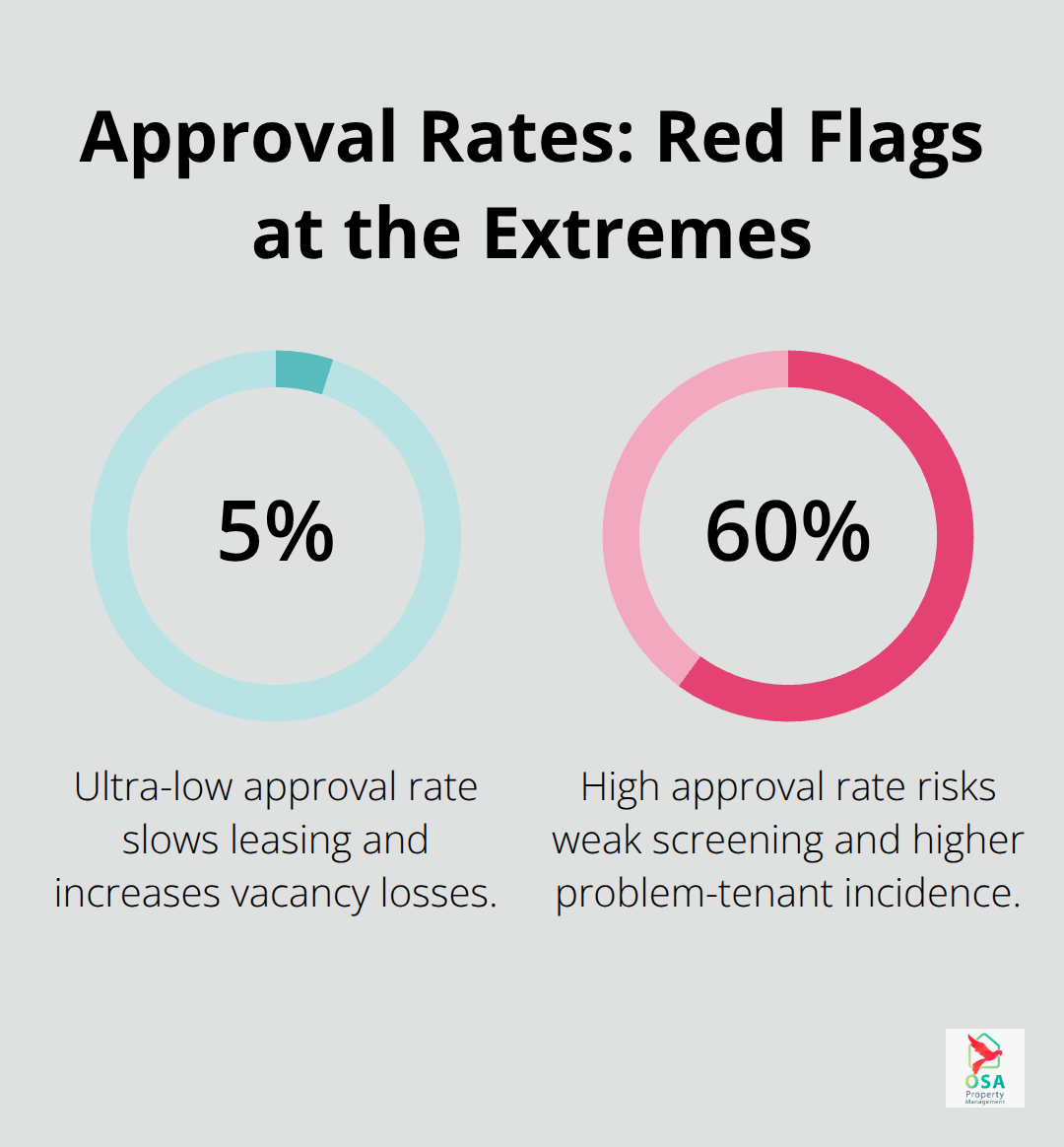
Tenant screening quality determines whether you spend your time with cooperative residents or chronic problem tenants. The strongest screening processes include credit checks, background screening covering criminal history and eviction records, and employment verification to confirm income stability. However, approval rates matter just as much as screening rigor. A company that approves only 5 percent of applicants fills vacancies slowly and loses money on extended downtime. A company that approves 60 percent likely screens insufficiently and places problematic tenants.
Ask what percentage of applicants they typically approve and request to see their actual approval criteria in writing. Ask whether they verify employment directly with employers or simply accept what applicants claim. Ask about their eviction history with placed tenants over the past year and how that compares to market rates. Strong screening balances tenant quality with reasonable approval rates that keep vacancy periods short.
These three factors-local expertise, technology capability, and screening standards-reveal how a property manager actually operates. The next section covers the specific questions that expose whether a manager delivers on these promises or merely talks about them.
Questions That Reveal How a Manager Actually Works
Maintenance Response Times Show Operational Discipline
The way a property manager handles maintenance requests and emergency repairs exposes their actual operational standards. Ask for their typical response time for non-emergency maintenance-most should respond within 24-48 hours. Request their after-hours emergency protocol and ask them to provide concrete examples of what they classify as an emergency. Ask whether they maintain an in-house maintenance team or use a vetted contractor network. If they use contractors, ask whether they competitively bid jobs above a certain dollar threshold. A manager who cannot explain their bidding process or contractor vetting criteria likely overpays for work and marks up costs without scrutiny.
Request their definition of rent-ready and ask whether they perform move-in inspections with photographic documentation. Sample inspection reports reveal the level of detail they capture. Clarify who bears the cost of emergency repairs that exceed your security deposit and whether they have authority to approve repairs up to a certain amount without contacting you first. Managers who require your approval for every repair decision slow response times and create tenant frustration that leads to turnover.
Rent Collection Processes Affect Your Cash Flow
Rent collection processes reveal whether a manager minimizes friction or creates it. Ask what percentage of tenants pay online versus by check, and whether they actively encourage online payment through automated reminders. A strong manager should report that most tenants use online payment because they invested in making it frictionless. Ask about their late payment protocol: how many days late before they initiate contact, what communication method they use, and whether they charge late fees or pursue eviction immediately.
Also ask about their collection rate over the past 12 months and how it compares to their portfolio average. Request a sample owner financial statement so you see exactly which charges appear, what information they report, and how quickly they generate statements after month-end. The statement should break down rent collected, expenses paid, and your net income clearly.
Financial Reporting Determines Your Visibility
Ask whether they provide quarterly or monthly reporting and whether you can access statements through their portal anytime or only on their schedule. A manager who delays financial reporting or provides vague statements prevents you from understanding your actual cash position and identifying problems quickly. Financial transparency directly impacts your ability to make informed decisions about your rental business.
Final Thoughts
Choosing the right property management company comes down to three core factors: experience in your specific market, transparent operations across maintenance and finances, and technology systems that give you real visibility into your business. A manager with years of local expertise prices rent competitively, fills vacancies faster, and maintains vendor relationships that control costs. Transparent fee structures and detailed financial reporting prevent hidden charges from eroding your returns.
When you evaluate candidates, request concrete metrics rather than general promises. Ask about their occupancy rates, average vacancy fill times, tenant retention rates, and collection rates over the past year. Request sample financial statements and owner portal demonstrations, then call their current clients to ask specifically about response times, communication quality, and whether the manager actually delivers on their service promises. Calculate your total annual cost across multiple scenarios rather than comparing only headline fees.
The right property manager transforms your rental business from a time-consuming operation into a genuine investment. We at Osa Property Management understand this reality, which is why we focus on transparent, professional service that protects your income and reduces your stress. Whether you manage full house property management LLC services or single-family rentals, the selection criteria remain consistent: experience, transparency, and operational discipline.