

Beachfront property in Costa Rica doesn't have to drain your savings. We at Osa Property Management help buyers find affordable coastal homes by understanding the market's real dynamics.
This guide walks you through proven strategies for locating the cheapest beachfront property in Costa Rica, from timing your purchase right to negotiating with confidence.
What Do Beachfront Properties Actually Cost in Costa Rica
Price Bands Across Costa Rica's Coastal Regions
Costa Rica's beachfront market splits into distinct price bands that directly reflect geography and infrastructure maturity. The South Pacific region beachfront condos starting around $150,000 to $250,000-towns like Ojochal, Dominical, and Uvita-makes it genuinely the cheapest option for titled coastal property. The Central Pacific around Jaco sits in a mid-range bracket of $200,000 to $700,000 for entry-level condos and smaller homes, driven by consistent rental demand and established tourism infrastructure. North Pacific locations like Tamarindo command premiums well above $1,000,000 for comparable units, sometimes reaching $400,000 just for baseline condos.

This pricing structure isn't random-it reflects occupancy reality. Move-in-ready properties in Manuel Antonio and Jaco achieve 65–75% annual occupancy rates, while emerging South Pacific areas like Ojochal typically run 45–55% occupancy until local tourism infrastructure matures. That occupancy gap directly translates to rental income differences and buyer expectations.
How Ocean Views Impact Your Budget
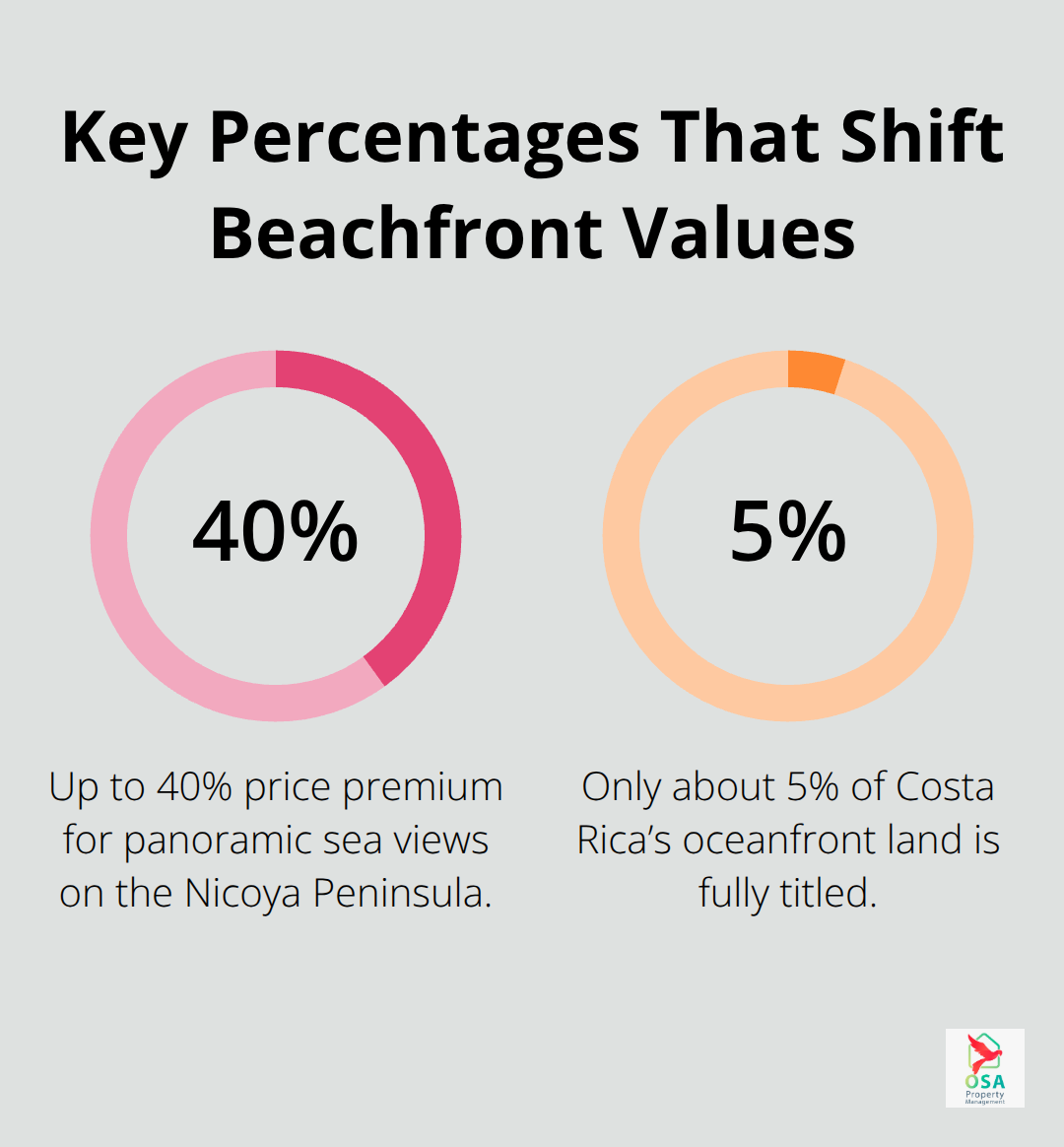
Ocean views amplify these prices dramatically. Panoramic sea views on the Nicoya Peninsula command up to 40% premiums over similar homes without views.
If you want the cheapest beachfront option, compare properties with partial or obstructed views to those with full unobstructed views. View quality drives price far more than most buyers expect.
Seasonal Timing and Negotiation Leverage
Market timing matters more than most buyers realize. Inquiry volume surges dramatically from November through March during peak season, then cools significantly from April through September. This seasonal swing creates genuine negotiation leverage in the off-season when seller motivation increases and competition thins.
Try planning your search and site visits for May through August when seller desperation peaks and you'll face fewer competing offers. Closing timelines run 30–60 days after signing, but international wire transfers add extra days, so start escrow paperwork immediately when you find a property.
Understanding Closing Costs and Ongoing Expenses
Closing costs total approximately 3.6% of purchase price, with the transfer tax running roughly 1.5% plus National Registry recording fees. Annual property taxes sit at approximately 0.25% of municipal value, which keeps long-term holding costs manageable compared to many countries.
Maintenance for coastal properties averages 1.5–3% of property value yearly-roughly $10,000 to $25,000 for mid-range properties-with beachfront condos often incurring $600–$800 monthly in upkeep and HOA fees on top of taxes. Maintenance demands in emerging coastal areas run 15–20% higher due to sparser contractor density, so budget accordingly for Ojochal or Dominical properties. These hidden costs separate realistic buyers from those who underestimate true ownership expenses, which is why professional property management becomes critical for maximizing returns on your investment.
How to Find Affordable Beachfront Properties
Build Your Agent Network First
The difference between overpaying and finding genuine value in Costa Rica's beachfront market comes down to three decisions: who you work with, where you look, and how aggressively you negotiate. Most foreign buyers start their search online with major listing portals, which surfaces only the properties agents most actively market. This approach guarantees you'll see premium inventory first and miss the deals that actually exist. Instead, build relationships with agents who specialize in your target region and maintain access to off-market inventory. Interview at least three agents and request 12 months of sales data specific to your price range and location. Set up daily listing alerts with precise price and location parameters to avoid vague searches that waste your time. A connected agent network dramatically improves your odds of finding presale opportunities in South Pacific condo developments, which typically price 10–15% below market value and offer immediate equity if the project succeeds. The strongest agents maintain proprietary databases beyond any centralized MLS, which is where real bargains hide.
Target Emerging Coastal Towns for Lower Entry Prices
Emerging coastal towns like Ojochal, Dominical, and Uvita in the South Pacific represent the actual cheapest opportunities because infrastructure is still maturing while foreign demand clusters around already-established hotspots like Tamarindo and Manuel Antonio. Beachfront properties in emerging Costa Rican coastal towns start at $150,000–$250,000 compared with Tamarindo's $400,000 baseline for similar units. This price gap exists because occupancy rates in emerging areas run 45–55% annually versus 65–75% in established towns, which concerns income-focused buyers but creates opportunity for patient investors who understand that tourism infrastructure follows population growth. Smaller parcels under two acres further reduce entry costs and suit investors seeking short-term rentals or future development potential.
Verify Ownership and Understand Land Rights
You must verify ownership through the National Registry and conduct a title search before committing funds, as only about 5% of Costa Rica's oceanfront land is fully titled. Many beachfront properties sit on government concessions with renewable leases, which require different legal structures and carry distinct long-term implications. This legal distinction fundamentally affects your investment timeline and exit strategy, so engage a qualified attorney to review any property before you proceed.
Leverage Off-Season Negotiation Timing
The off-season from April through September delivers genuine negotiation leverage when seller motivation peaks and competing offers thin significantly. Close timing matters because you'll face fewer bidders and can push harder on price. Start escrow paperwork immediately when you identify a property, since closing takes 30–60 days plus additional time for international wire transfers, and momentum on your side accelerates the entire process.
Once you've secured a property at the right price, the real work begins-managing your investment to maximize returns and protect your asset requires the right operational structure and professional support.
Protecting Your Investment After Purchase
Why Professional Management Delivers Real Returns
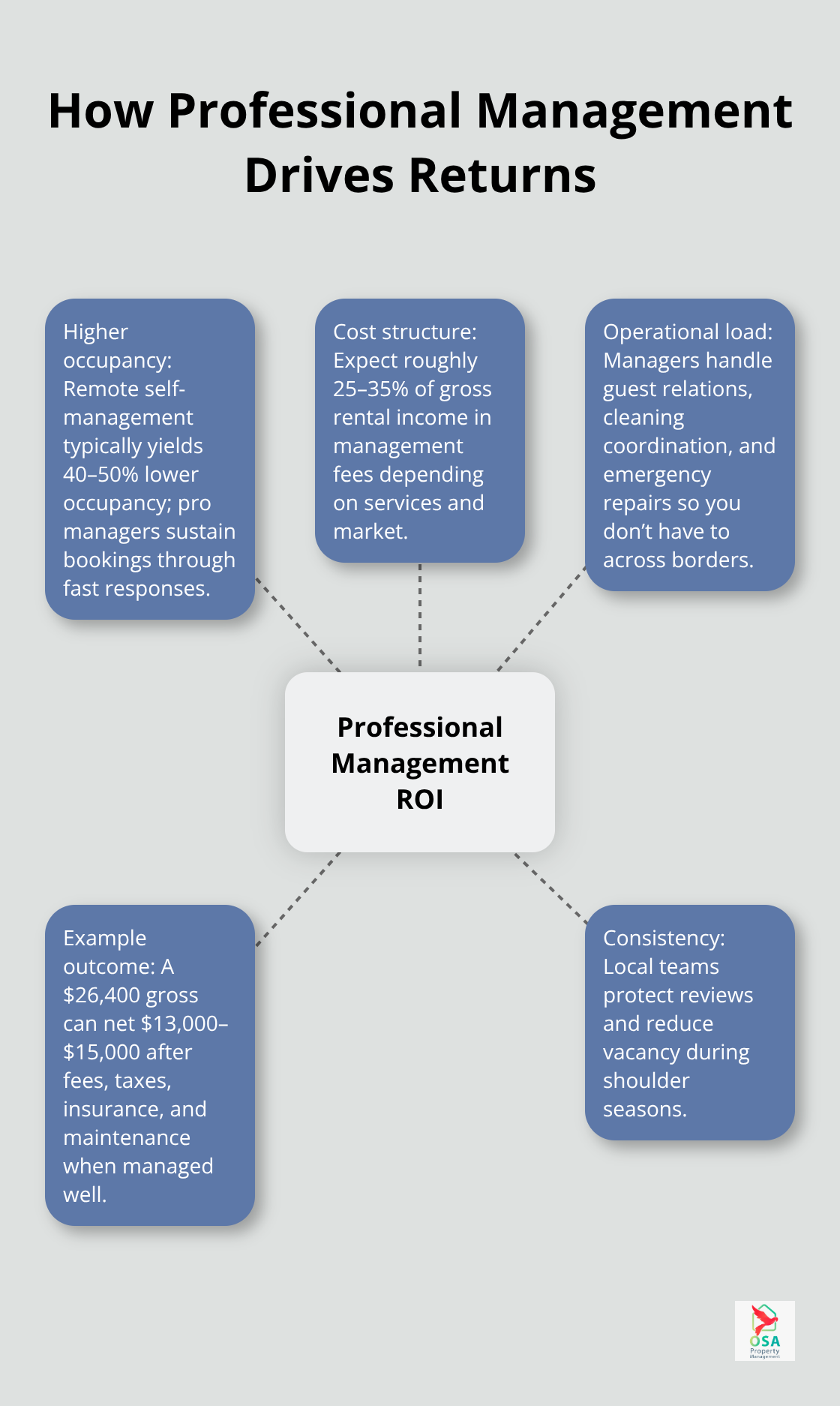
Once you own beachfront property in Costa Rica, the operational decisions you make immediately determine whether you'll earn solid returns or watch your investment drain money. Professional property management isn't optional if you want rental income-it's the difference between a 9–10% net return and breaking even. A property generating $26,400 annually at 60% occupancy and $120 per night will cost you roughly 30% of gross rental income for professional management, which brings you down to about $18,480. Subtract taxes, insurance running $800–$1,200 yearly, and maintenance reserves of $2,000–$3,000, and you're left with $13,000–$15,000 net on a $150,000 property.
Coastal Maintenance Demands Serious Budgeting
Maintenance costs demand serious attention because coastal salt air and humidity accelerate deterioration far faster than inland properties. Budget 1.5–3% of property value annually for routine upkeep, and plan for 15–20% higher maintenance costs in emerging areas like Ojochal where contractor density is sparse and response times stretch longer. Schedule preventive quarterly maintenance rather than reactive repairs, and demand foundation inspections for any property built before 2010 since older coastal construction often lacks proper corrosion protection. Property taxes at 0.25% of municipal value stay manageable long-term, but closing costs of approximately 3.6% at purchase-including 1.5% transfer tax plus National Registry fees-should already be factored into your initial budget.
Insurance and Regulatory Compliance
Insurance premiums run higher for exposed coastal properties, so obtain comprehensive coastal coverage quotes before finalizing your purchase. The Maritime Zone law governs land within 200 metres of the high-tide mark and creates regulatory constraints that limit future development or major modifications, so verify compliance with local authorities before making capital improvements. These legal requirements protect your asset but also restrict what you can do with the property long-term.
Managing Properties in Emerging Coastal Towns
Emerging coastal towns typically demand more proactive management oversight than established areas because tourism infrastructure is still developing, which means lower occupancy rates during shoulder seasons and fewer reliable local contractors. This operational reality makes professional management even more valuable in secondary markets where your competitive advantage comes from consistent quality and responsive guest experiences rather than location prestige alone. Properties in towns like Ojochal and Dominical require active attention to maintain occupancy and protect your capital investment.
Final Thoughts
Finding the cheapest beachfront property in Costa Rica requires patience, the right partnerships, and realistic expectations about ongoing costs. The South Pacific region delivers the lowest entry prices at $150,000–$250,000 for titled properties in emerging towns, but those savings only translate to real wealth if you manage the property strategically after purchase. Seasonal timing from April through September gives you negotiation leverage when seller motivation peaks, and working with agents who maintain off-market inventory separates successful buyers from those who overpay on public listings.
The long-term value of beachfront investment in Costa Rica rests on constrained supply-only 5% of oceanfront land is fully titled-combined with rising foreign demand from wealthy migration to Latin America. This supply scarcity supports ongoing appreciation, but only if you avoid the operational mistakes that drain returns. Professional property management costs 25–35% of gross rental income, yet it produces a 9–10% net return while self-managing remotely yields 40–50% lower occupancy because your response time becomes the limiting factor.
Your next step involves building relationships with specialized agents in your target region and requesting 12 months of sales data to understand true market dynamics. Verify ownership through the National Registry before committing funds, and budget for the hidden costs that separate realistic investors from those who underestimate true ownership expenses. We at Osa Property Management have spent over 19 years managing properties across Tarcoles, Jaco, Dominical, Manuel Antonio, Ojochal, and Uvita, and we can help you protect your investment and maximize returns.