

Owning rental property in Costa Rica comes with real tax obligations that many landlords overlook. The rental income tax CR system has specific rules about what you must report, what you can deduct, and when deadlines fall.
We at Osa Property Management have helped countless property owners navigate these requirements and avoid costly mistakes. This guide walks you through the essentials so you can prepare with confidence.
Rental Income Tax Rates and Filing Requirements in Costa Rica
What Foreign Landlords Actually Pay
Non-residents renting property in Costa Rica face a flat 15% rental income tax rate, but the actual amount you owe depends on how the tax authority calculates your taxable base. The standard system applies a 15% deduction to your gross rental income, meaning you pay tax on only 85% of what tenants hand over. This effectively reduces your tax burden to about 12.75% of gross revenue, according to Costa Rica’s tax authority DGTT/Hacienda. Your filing approach matters significantly. Monthly filers under the standard system report revenue without itemizing expenses, paying tax on that 85% figure each month. If you employ staff like housekeepers or property managers, you can opt for the older method and be taxed on net income annually instead, which may save money depending on your expense levels. A tax professional should compare both approaches for your specific situation because the difference between 12.75% and a lower net-income rate can add up fast on properties generating substantial revenue.
Property tax adds another 0.25% layer, calculated on your property’s cadastral value annually and typically payable quarterly or annually depending on your municipality. Global Property Guide reports that roundtrip transaction costs in Costa Rica range from 6.75% to 9.25%, so understanding your ongoing tax obligations helps you model long-term returns accurately.
Monthly Filing Deadlines and Documentation Requirements
Rental income taxes are filed monthly in Costa Rica, not annually like many landlords expect from their home countries. The payer must pay the tax on or before the 15th day of the month after the month the rental income is paid or credited to you. Non-residents must establish a Permanent Establishment to report rental income on Costa Rica’s tax return, and electronic invoicing through the factura electrónica system now handles most transactions automatically. Hacienda receives copies of contractor invoices directly, so incomplete documentation gets flagged quickly. Keep electronic receipts for all rental-related expenses because they become your evidence if audited.
Property Valuations and Municipal Charges
Your property valuations should be reassessed roughly every five years to avoid municipalities imposing their own valuations, which typically inflate your property tax base. Property tax payments are due on specific dates that vary by municipality, so confirm your local deadlines early. Garbage collection fees, another municipal charge tied to your property’s location and use, bundle with property tax payments and can be paid quarterly or annually depending on local rules.
Contractor Expenses and IVA Deductions
The value-added tax of 13% applies to most contractor work, and these expenses can be deductible if properly documented with electronic invoicing. This means a $10,000 kitchen renovation includes $1,300 in IVA that you should capture as a deductible expense on your return. Understanding which expenses qualify for deduction separates landlords who minimize their tax burden from those who leave money on the table.
What You Can Actually Deduct From Rental Income
The difference between landlords who pay 12.75% effective tax and those who pay closer to 15% often comes down to one thing: knowing exactly which expenses qualify for deduction. Costa Rica’s tax system gives you a 15% standard deduction on gross rental income, but that floor-level approach leaves money on the table if you have legitimate expenses that exceed it. The real opportunity sits in understanding which costs you can document and claim beyond that baseline, particularly contractor expenses tied to maintenance, repairs, and property management.
Contractor Expenses and IVA Deductions
When you hire someone to fix a leaking roof or repaint the exterior, that invoice includes 13% IVA that becomes a deductible expense if you capture the electronic receipt properly. A $5,000 repair job actually costs $5,650 with IVA included, but landlords who lose the factura electrónica documentation lose the ability to deduct that $650 tax component. Hacienda receives electronic invoicing copies automatically, so missing receipts stand out during audits. You must organize your systems to capture every electronic receipt as expenses occur, not months later when you scramble to reconstruct records.
Property Management Fees and Direct Deductions
Property management fees deserve special attention because they reduce your taxable rental income directly. If you pay a management company 8% of monthly rent to handle tenant relations, maintenance coordination, and accounting, that percentage comes off the top before calculating your 85% taxable base. A property generating 2,400 USD monthly with an 8% management fee drops your gross income to 2,208 USD, then applies the 15% deduction, resulting in only 1,877 USD taxed at 15% rather than the full 2,040 USD you would owe without that deduction. This calculation shows why outsourcing to established management firms often makes financial sense compared to self-managing and missing deduction opportunities.
Mortgage Interest, Property Tax, and Municipal Charges
Mortgage interest payment is fully deductible as a rental expense, but your principal payments are not-this distinction matters enormously over a 20 or 30-year loan because interest dominates early payments. Property tax at 0.25% of cadastral value is deductible annually, and municipal garbage fees bundle with that obligation. You must separate what qualifies as a repair versus improvement distinction in rental property tax deductions. Painting a room is a repair; adding a new room is an improvement. Fixing a broken window is a repair; replacing all windows with new energy-efficient ones is an improvement. Costa Rica’s tax authority takes this distinction seriously, and miscategorizing expenses invites audit adjustments.
Employment Versus Outsourcing Decisions
If you employ someone like a housekeeper or property manager directly rather than contracting through a company, you face payroll withholding obligations that complicate your deduction picture. A tax professional should compare the net cost of employment versus outsourcing to established management firms because the difference affects your overall tax position. The monthly filing deadline means you cannot wait until year-end to gather receipts; you must document expenses as they occur to prevent scrambling and ensure you capture every deductible item before the 15th of the following month. This discipline separates landlords who maximize their deductions from those who leave legitimate tax savings unclaimed, setting the stage for understanding the mistakes that cost property owners thousands in unnecessary taxes.
Common Tax Mistakes Landlords Make
The gap between what landlords think they owe and what they actually owe in Costa Rica often traces back to three specific mistakes that compound year after year. Understanding these errors helps you avoid the thousands of dollars in unnecessary taxes and penalties that catch property owners off guard.
Failing to Report All Income Sources
Landlords fail to report all income sources because they treat cash payments differently from bank transfers or they overlook advance rent, security deposits applied to final months, and lease cancellation fees. Costa Rica’s tax authority requires you to report every dollar tenants pay, including noncash compensation like property or services at fair market value. If a tenant pays you 500 USD in advance rent for next month, that counts as income in the month received, not when you apply it later. Security deposits should not be included in your income if you may be required to return them to the tenant at the end of the lease.
Landlords who mentally separate cash transactions from electronic ones create audit exposure because Hacienda sees the electronic invoicing records and cross-references them against your reported income. One property owner in the Uvita region reported only 85% of actual rental receipts because he excluded cash payments, then faced back taxes plus penalties when an audit matched tenant statements against his filings. This mistake costs landlords thousands because the tax authority has multiple data sources to verify your actual income.
Missing Deduction Opportunities
The second critical error involves leaving deduction opportunities on the table by not understanding which expenses reduce your taxable base. You already know the 15% standard deduction exists, but many landlords stop there and miss contractor expenses that legitimately exceed that threshold. A landlord spending 8,000 USD annually on maintenance, repairs, and management services might claim only the 15% deduction when those actual documented expenses should reduce taxable income further.
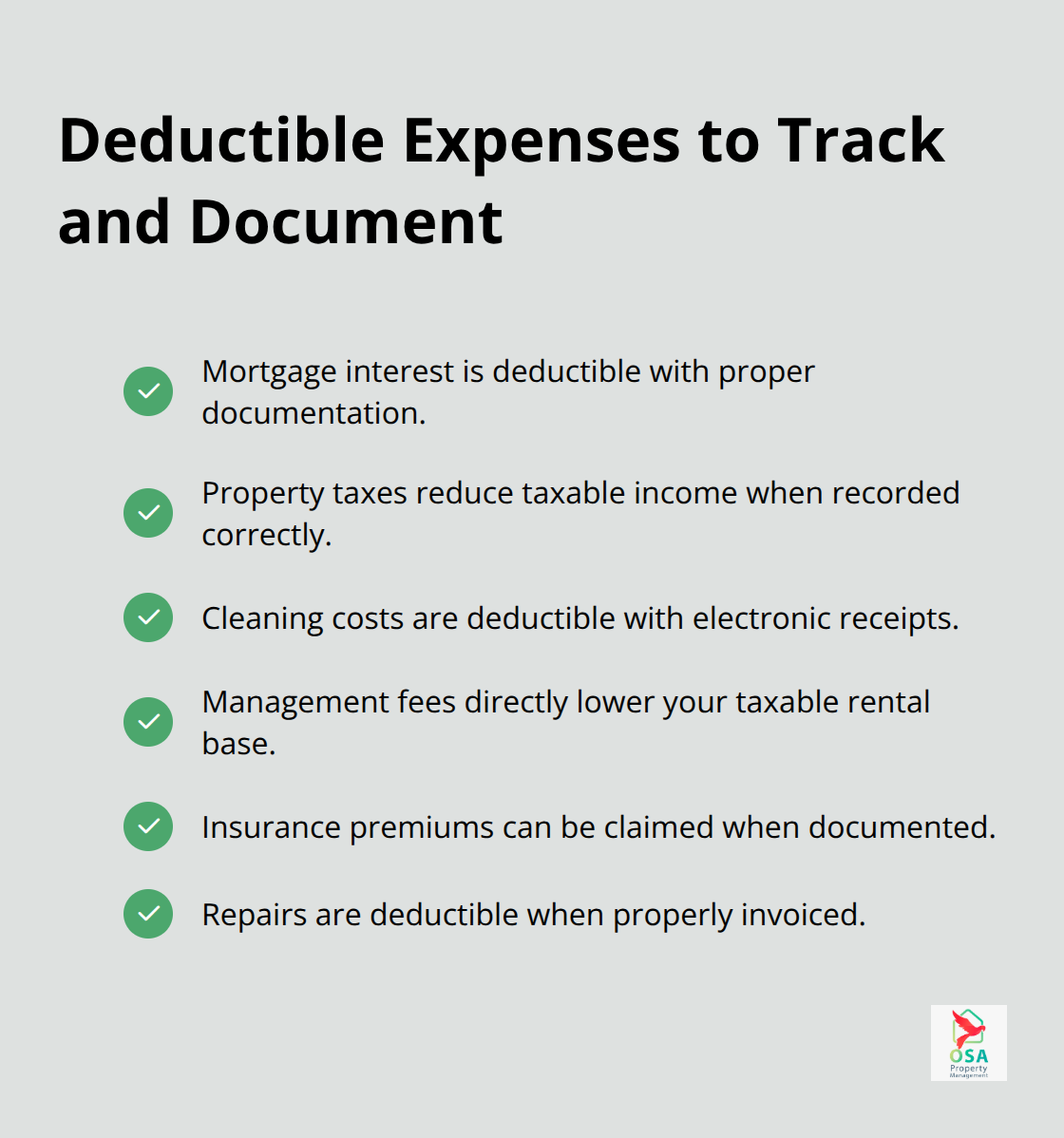
This happens because landlords either fail to capture electronic receipts from contractors or they assume the standard deduction covers everything. Documenting actual expenses like mortgage interest, property taxes, cleaning costs, management fees, insurance, and repairs can significantly reduce your taxable income. Contractor invoices with proper electronic documentation provide the evidence you need to claim these deductions, but only if you organize them systematically throughout the year.
Inadequate Record Keeping and Documentation
The third mistake compounds the first two: inadequate record keeping means you cannot defend your deductions or prove your actual income during an audit. The monthly filing deadline means you have roughly two weeks each month to gather receipts, calculate income, and file. Landlords who wait until quarterly or annual review periods scramble to reconstruct transactions and inevitably lose documentation.
Electronic invoicing through factura electrónica means Hacienda already has copies of contractor charges and rental payments, so missing receipts on your end create discrepancies the tax authority will question. A property manager implementing a simple monthly checklist where she collected all contractor invoices and tenant payment confirmations by the 10th of each month reduced her clients’ audit risk to nearly zero and revealed an average of 1,200 USD in previously missed deductions per property annually. The discipline of monthly organization separated successful tax filers from those who paid unnecessary taxes because they could not substantiate legitimate expenses when challenged.
Final Thoughts
Rental income tax CR obligations demand that you report all income accurately, claim every legitimate deduction, and maintain organized records throughout the year. The difference between paying 12.75% effective tax and overpaying closer to 15% often comes down to discipline in these three areas. Non-residents face a flat 15% rate on 85% of gross rental income, but that baseline assumes you capture nothing beyond the standard deduction-landlords who document contractor expenses, mortgage interest, property taxes, and management fees systematically reduce their taxable base significantly.
Your preparation for tax season should start months before filing deadlines arrive. Implement a monthly checklist in January that captures every electronic invoice, tenant payment confirmation, and expense receipt by the 10th of each month, which prevents the scramble that costs landlords thousands in missed deductions and audit exposure. The monthly filing requirement means you cannot wait until December to organize your records; the 15th of each month arrives whether you are ready or not.
A local tax professional who understands Costa Rica’s factura electrónica system and the distinction between repairs and improvements protects your position far better than attempting to navigate these rules alone. We at Osa Property Management handle tax compliance and accounting for property owners across the southern Pacific zone, managing the monthly documentation that keeps your records audit-ready and ensuring nothing falls through the cracks.