
Renting out property in Costa Rica means dealing with guests from around the world, and not all of them are reliable. We at Osa Property Management know that one bad tenant can cost you thousands in damages, lost income, and legal headaches.
That’s why renter screening in Costa Rica isn’t optional-it’s your first line of defense. This guide walks you through the exact steps to identify trustworthy guests before they ever step foot on your property.
Why Screening Matters in Costa Rica
The Market Reality and Your Income at Stake
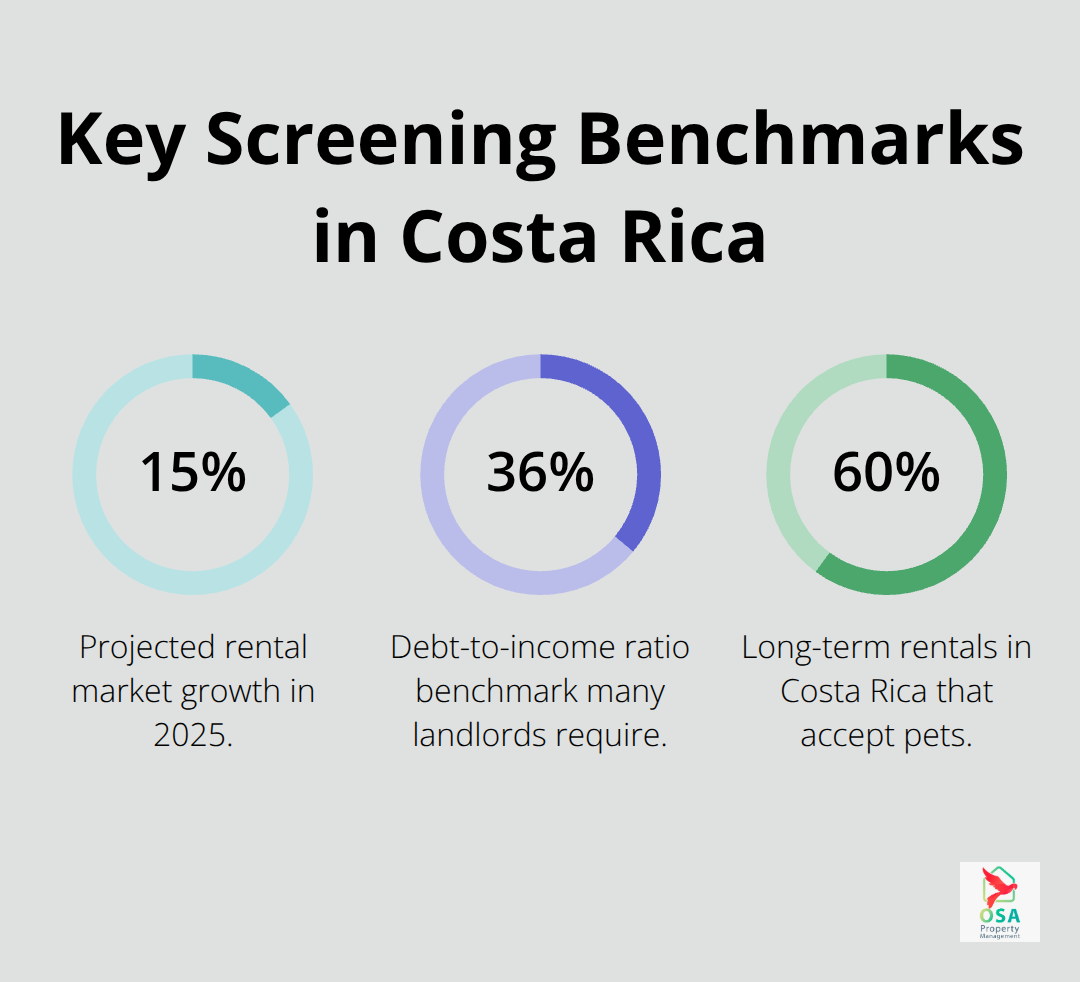
Costa Rica’s rental market is booming, and the numbers prove it. More than 25,000 Americans and Canadians live there long-term, with 15% growth projected in 2025. That demand means your property can generate strong income, but it also means you’ll face a constant stream of applications from people you’ve never met. One bad tenant decision drains your profits fast.
A single problematic renter skips three months of payments, trashes your furnishings, or requires expensive legal action to remove them. Properties with comprehensive screening protocols maintain higher annual revenue due to reduced vacancy periods and dispute-related losses.
Legal Protections That Work Against You
Costa Rica’s rental laws, grounded in Law No. 7527, actually protect tenants heavily. Landlords must maintain properties in good condition and address urgent repairs within ten business days. Tenants hold strong renewal rights and protection from arbitrary eviction. This legal framework prevents you from simply removing a problem tenant overnight. The formal eviction process through Costa Rica’s housing courts takes months and costs money. Screening on the front end saves you thousands later. Your liability exposure is real too. If a tenant causes damage to neighboring properties or gets injured on your premises due to poor maintenance, you could face legal claims. Thorough screening identifies red flags early and helps you avoid tenants with patterns of property damage, non-payment, or behavioral issues.
Income Verification Reveals Hidden Costs
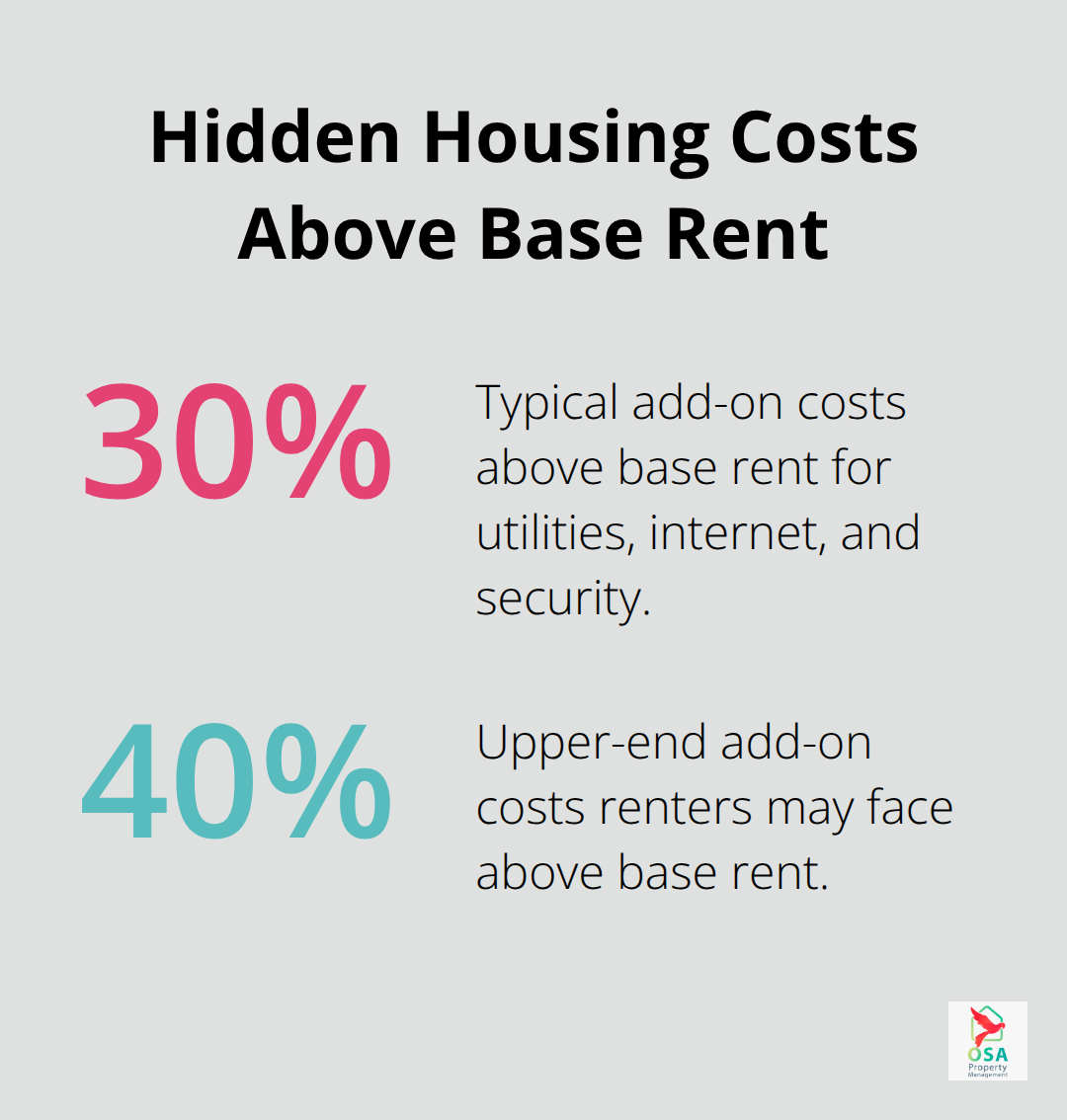
Tourists and expats sometimes underestimate how much utilities, internet, and security fees add to their actual housing costs. Those extras run 30 to 40 percent above base rent. A guest earning 3,000 dollars monthly but facing 1,500 in total housing costs stretches thin and becomes more likely to miss payments. Checking previous landlord references reveals whether an applicant actually paid on time and treated properties with respect. A reference from someone who rented to the applicant six months ago tells you far more than any application form ever could.
Why Screening Protects Your Business
Screening isn’t bureaucracy; it’s smart business that protects your investment and keeps your rental income predictable. The next section walks you through the specific criteria that separate reliable guests from risky ones.
What Documents and Checks Actually Predict Reliable Renters
Income Verification Separates Qualified Applicants From Financial Risk
Income verification separates applicants who can genuinely afford your property from those who will struggle. Request recent bank statements, tax returns, and proof of employment to confirm that an applicant’s monthly income comfortably covers rent plus those hidden utility and security costs. A debt-to-income ratio of 36% or lower is the gold standard for lenders and many landlords-if someone earns 3,000 dollars monthly but already owes 1,500 in other obligations, your rent payment becomes vulnerable when unexpected expenses hit.
Applicants often underestimate how much utilities, internet, and security fees add to their actual housing costs. Those extras run 30 to 40 percent above base rent. A guest earning 3,000 dollars monthly but facing 1,500 in total housing costs stretches thin and becomes more likely to miss payments. Verify that applicants understand these additional expenses before they commit.
Previous Landlord References Reveal Real Behavior Patterns
Previous landlord references reveal real behavior patterns far more than any background check. Contact the last two landlords directly and ask specific questions: Did the tenant pay on time? How did they treat the property? Would you rent to them again? A landlord who hesitates or gives a vague answer tells you everything.
Payment history from previous rentals reveals patterns that won’t change. Someone who paid late in their last three rentals will likely pay late with you. Ask for written confirmation from previous landlords about payment dates, not just promises from the applicant. Many renters claim they paid on time but records tell a different story. Request copies of bank statements showing outgoing rent payments if the landlord won’t provide written confirmation.
Criminal History and Background Checks Within Costa Rican Legal Boundaries
Criminal history checks add a safety layer, but Costa Rica’s legal framework makes obtaining background information more complex than in North America. Work with local agents or professional property management firms who understand the documentation process and can verify information within Costa Rican legal boundaries. They know which documents hold legal weight and which don’t.
Pet Owners Require Extra Scrutiny and Documentation
Pet owners require extra scrutiny because property damage from animals adds up fast. About 60 percent of long-term Costa Rican rentals accept pets, often with a 200 to 500 dollar deposit. Ask pet owners for references from previous landlords specifically about pet behavior and any damage. A renter who lost a security deposit due to pet damage in their previous rental will likely repeat that behavior.
Pre-Screening Calls Expose Communication Red Flags Instantly
A pre-screening call reveals communication style and red flags instantly. Does the applicant ask thoughtful questions about the property or just demand to move in immediately? Do they respect boundaries or push back on every screening step? Applicants who resist documentation, rush the process, or become defensive when you ask standard questions often cause problems later.
Evasiveness and pressure tactics predict tenant trouble more reliably than most formal checks. Applicants who hesitate to provide documents, insist on wire transfers before viewing the property, or claim they need to move in within days warrant extra caution. These conversations matter because they establish whether an applicant will communicate openly throughout the lease term or create friction from day one. The next section covers the practical steps that transform these screening criteria into a reliable system that protects your investment.
How to Build a Screening System That Actually Works
Start With a Pre-Screening Call
A pre-screening call filters out unsuitable applicants before you invest time in document review. Listen for hesitation when you mention income verification requirements, resistance to providing references, or pressure to move faster than your timeline allows. These conversations cost nothing but reveal whether someone will cooperate throughout the rental period. Applicants who push back on standard screening steps often create friction from day one through lease termination.
Request and Verify Documentation Systematically
Send a standardized document request that includes recent bank statements covering the last three months, proof of employment or income documentation, passport copies, and contact information for two previous landlords. Set a firm deadline for submission, typically five business days. Applicants who miss deadlines or submit incomplete information often miss rent payments too.
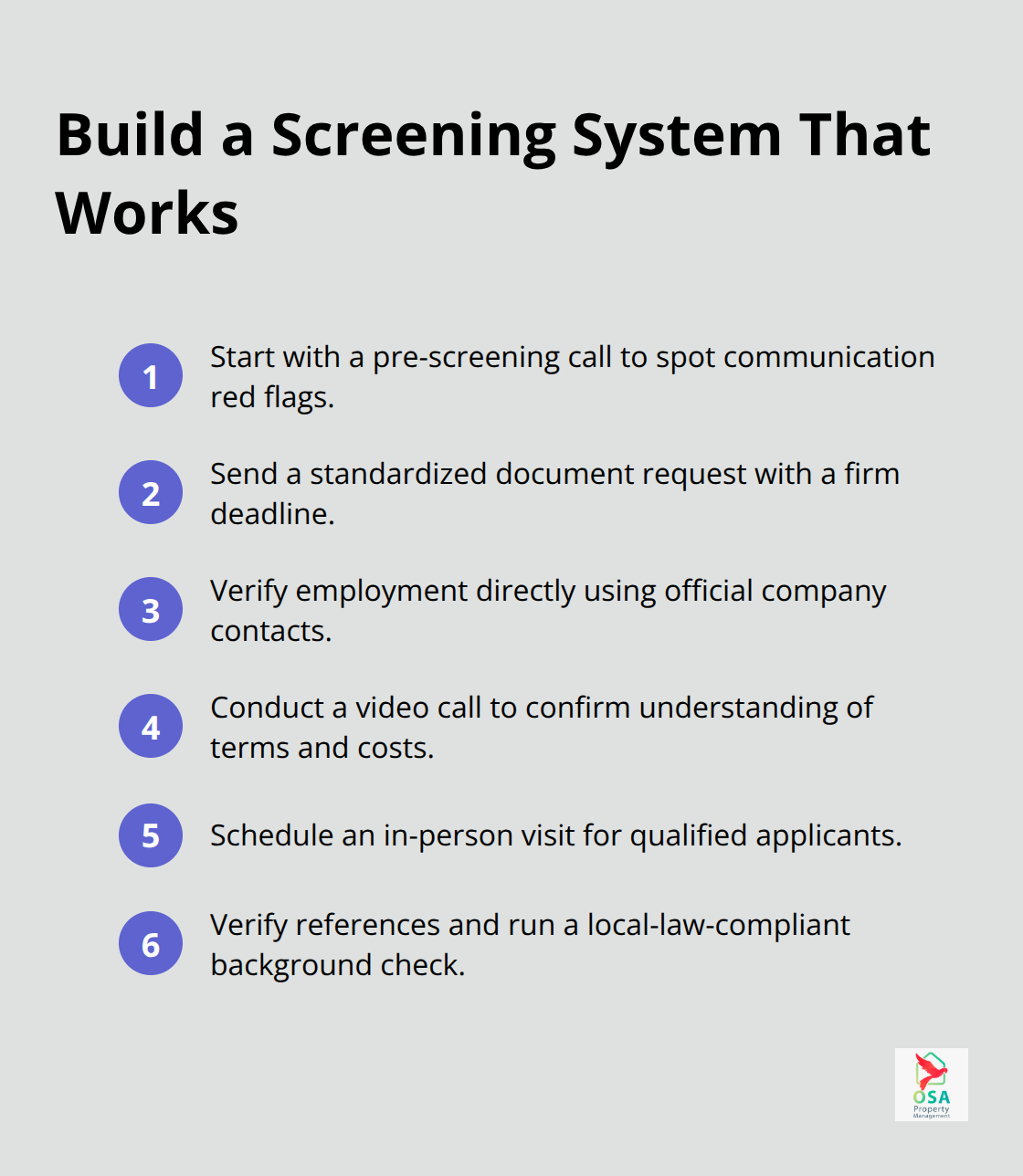
Once documents arrive, verify employment directly with employers rather than accepting letters applicants provide themselves. Call the phone number listed on official company letterhead, not numbers applicants supply. This step catches forged documents and confirms the applicant actually works where they claim. Contact previous landlords with specific questions that go beyond yes-or-no answers. Ask whether rent arrived on the exact due date or consistently late, whether the tenant reported maintenance issues promptly or ignored problems until damage worsened, and whether the landlord would accept another lease from this applicant. A landlord who says they would not rent to someone again tells you everything.
Request written confirmation of payment history showing actual dates money arrived, then cross-reference those dates against the applicant’s bank statements to verify consistency. This documentation creates a paper trail that protects you legally if disputes arise later.
Conduct Video and In-Person Assessments
Schedule a video call where you show the property in real-time and observe how the applicant responds to details. Ask them to explain their understanding of utility costs, security deposits, lease terms, and what happens if they break the agreement early. Applicants who cannot articulate basic lease terms or seem surprised by standard requirements lack seriousness about the commitment.
Schedule an in-person property visit with applicants who pass earlier stages. During the visit, observe whether they ask practical questions about water pressure, wifi reliability, security features, and neighborhood safety. Someone who only cares about price and move-in dates often becomes a problem tenant. Assess their reaction to the neighborhood and whether they seem realistic about what the property offers. Their questions and body language reveal whether they will respect the property or treat it carelessly.
Verify References and Conduct Background Checks
Contact references the applicant provides separately from landlords. Friends and family references matter less than landlords, but they reveal whether someone maintains relationships or burns bridges. Professional references from employers or previous landlords carry far more weight than personal contacts.
The final step before signing involves a background check conducted through local agents familiar with Costa Rican legal requirements. Local agents understand documentation standards and legal boundaries that apply in Costa Rica, ensuring your screening complies with local law while protecting your investment. This structured approach takes time upfront but eliminates most problem tenants before they ever sign a lease.
Final Thoughts
Renter screening in Costa Rica requires three core actions: verify income and debt obligations, contact previous landlords directly, and assess communication patterns before signing anything. Income verification confirms applicants can afford your property plus the 30 to 40 percent in hidden costs, while previous landlord references reveal actual payment behavior and property treatment. Pre-screening calls expose red flags instantly and establish whether an applicant will communicate openly throughout the lease term.
The long-term payoff justifies the upfront effort. Thorough screening reduces vacancy periods, prevents costly evictions, protects you from property damage, and keeps your rental income predictable. A single bad tenant costs thousands in lost rent, legal fees, and repairs, while one good tenant generates years of stable income and minimal headaches.
If renter screening Costa Rica feels overwhelming or you lack local connections to verify references and conduct background checks, professional property management removes that burden. Osa Property Management provides customized service packages tailored to your needs, handling everything from tenant screening to tax compliance, so you can protect your investment with confidence.