

Tarcoles properties face unique maintenance challenges that most homeowners don't anticipate. The coastal climate brings humidity, salt air, and heavy rainfall that can damage your home faster than you'd expect.
At Osa Property Management, we've seen how a solid maintenance schedule makes the difference between minor fixes and expensive repairs. These Tarcoles maintenance scheduling tips will help you stay ahead of problems and protect your investment.
What Damages Tarcoles Properties Most Quickly
Tarcoles sits in a harsh environment. High humidity, salt-laden air, and intense rainfall converge to attack your property year-round. Understanding these specific threats lets you catch problems before they become expensive disasters. The coastal climate here accelerates damage in ways that inland properties never experience. Humidity levels regularly exceed 80 percent, creating the ideal breeding ground for mold and mildew. Salt spray from the ocean corrodes metal fixtures, railings, and outdoor structures within months if left unprotected. Heavy rainfall during the green season can exceed 200 inches annually, putting constant pressure on roofs and drainage systems. These aren't theoretical problems-they're the reason preventative maintenance fails when owners skip inspections or delay repairs.
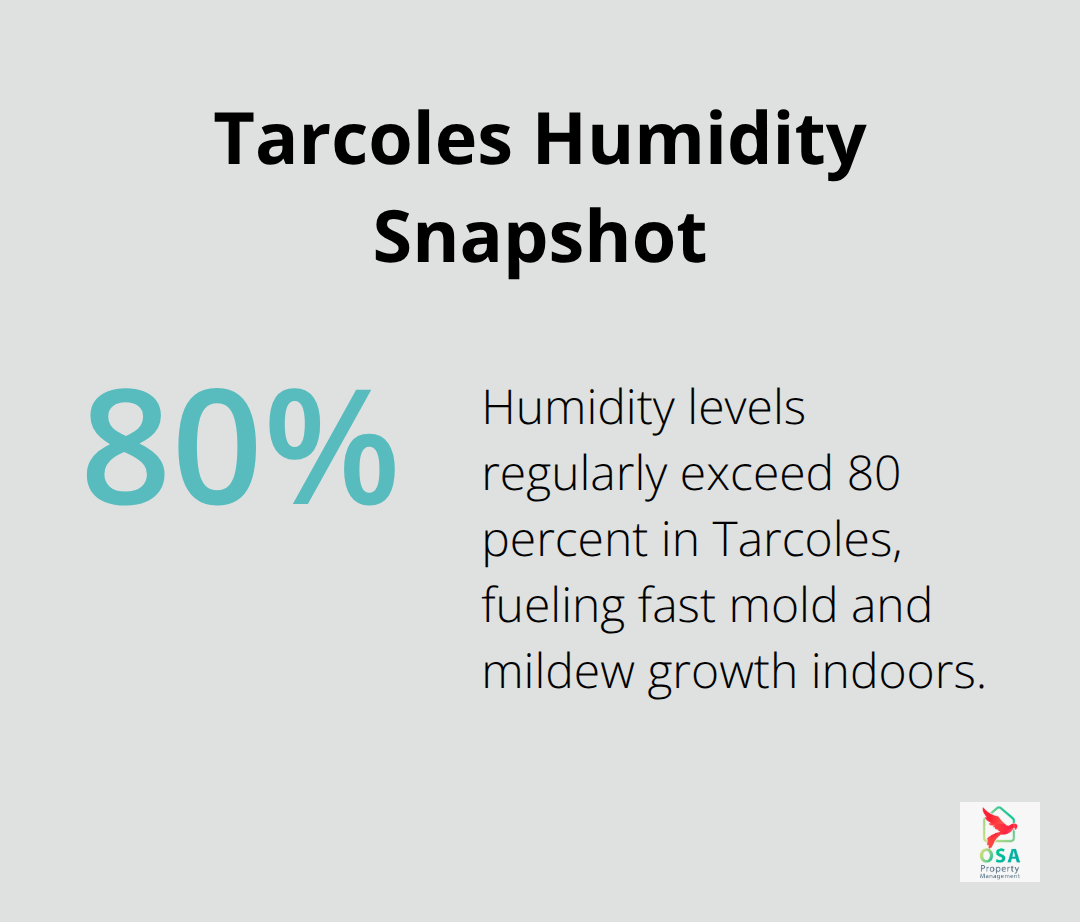
Humidity Breeds Mold That Spreads Fast
Mold in Tarcoles properties isn't a minor cosmetic issue. It grows aggressively in bathrooms, kitchens, and any enclosed space with poor ventilation. You need to schedule inspections at least twice yearly, ideally before and after the rainy season. Look for discoloration on walls, ceilings, and wooden surfaces. Musty odors signal active mold growth. The fix requires more than wiping surfaces-you must address moisture at its source. Install dehumidifiers in bedrooms and common areas, keep bathroom exhaust fans running during and for 20 minutes after showers, and ensure kitchen ventilation works properly. Seal any cracks around windows and doors where moisture seeps in. If you spot mold covering more than a small patch, hire a professional to assess whether it spreads behind walls. Ignoring mold leads to structural damage, respiratory issues for guests, and negative reviews that tank occupancy rates.
Salt Air Rusts Metal in Months, Not Years
The ocean corrodes unprotected metal at triple the rate of inland properties. Railings, outdoor light fixtures, AC unit frames, and door hardware deteriorate visibly within a few months. This damage is preventable but requires consistent action. Treat all exterior metal with a protective coating annually. Stainless steel fixtures resist corrosion better than standard steel but still need regular cleaning with freshwater to remove salt deposits. Wooden railings also suffer from salt exposure and require annual sealing with marine-grade sealant. Check metal fasteners, hinges, and brackets monthly-replace corroded ones immediately to prevent safety hazards. Budget roughly $500–$800 annually for protective coatings and replacements on a typical Tarcoles home. This investment pays back instantly through fewer emergency repairs and maintained property appeal.
Roofs Take a Beating From Rainfall and Sun
Tarcoles roofs face relentless assault from heavy rainfall, intense UV exposure, and salt spray. Asphalt shingles, common in Costa Rica, typically last 15–20 years but deteriorate faster here due to humidity and sun exposure. Metal roofs last longer, often 25–30 years, and resist rust better if properly maintained. Inspect your roof at least twice yearly, checking for missing shingles, visible leaks, and deteriorated flashing around vents and chimneys. Keep gutters and downspouts clear of debris-clogged gutters force water under shingles, causing hidden rot that spreads quickly. If you spot soft spots, algae growth, or granule loss from shingles, a professional inspection is urgent. Roof maintenance is critical for protecting your investment and avoiding costly water damage. The cost of ignoring a failing roof is far higher-water damage spreads to walls, ceilings, insulation, and structural framing within months.
Why These Threats Demand Your Attention Now
These three damage patterns-mold, corrosion, and roof failure-account for the majority of expensive repairs we see in Tarcoles properties. Each one accelerates when you delay action. A small mold patch becomes a wall cavity problem. A corroded railing becomes a safety liability. A missing shingle becomes structural rot. The next section walks you through how to build a maintenance schedule that stops these threats before they drain your budget and occupancy rates.
Build a Maintenance Schedule That Actually Works
A maintenance schedule that sits in a drawer accomplishes nothing. Owners create detailed plans, then abandon them when the first unexpected repair hits. The difference between owners who protect their property and those who hemorrhage money comes down to one thing: they treat maintenance like a business operation, not a hobby.
Map Your Schedule to Tarcoles' Two Seasons
Start by mapping your property's inspection windows against Tarcoles' two distinct seasons. The dry season runs December through April when occupancy peaks and rental income flows steadily. The green season spans May through November with higher humidity, heavier rainfall, and lower booking rates. Schedule your major preventative work during the green season when guest disruptions cost less revenue. Minor repairs and routine inspections happen year-round, but you control the timing of expensive projects. A roof inspection in September costs nothing in lost bookings. A roof replacement in February costs thousands. This seasonal rhythm is non-negotiable in Tarcoles.
Conduct Inspections on a Fixed Calendar
Create a maintenance calendar that marks inspection dates six months in advance. Twice-yearly inspections catch problems before they explode, but the timing matters. Conduct one inspection in August before the intense rainy season hits, focusing on roof integrity, gutter clearance, and window seals where water intrusion starts. Conduct the second inspection in May as the dry season ends, checking for mold growth in bathrooms and enclosed spaces, salt corrosion on exterior metal, and any structural damage from the previous months' rainfall. Document everything with photos and timestamps. This creates a legal record if disputes arise and shows you acted responsibly if insurance claims become necessary. Between inspections, walk your property monthly and note anything that changed. A small mold patch, a corroded hinge, missing roof granules-these observations take five minutes but prevent expensive surprises.
Prioritize Repairs by Impact and Urgency
Prioritization separates smart owners from broke ones. Not all repairs carry equal weight. A leaking roof demands immediate attention because water damage spreads exponentially and destroys structural integrity within weeks. A corroded outdoor light fixture can wait two months until your next scheduled maintenance window. A guest-facing amenity like a broken air conditioning unit needs attention within 48 hours or you lose bookings and reviews. A foundation crack requires a professional assessment within two weeks but isn't an emergency like a roof leak. Use this framework: life and safety issues get fixed within 48 hours, revenue-threatening problems get fixed within one week, and everything else gets scheduled during your next maintenance window. This prevents panic decisions and expensive emergency contractor rates.
Build a Realistic Annual Budget
Build your annual budget around realistic numbers. Roof repairs in Tarcoles average around $1,150 for small fixes, though major replacements range from $5,000 to $40,000 depending on size and materials. Set aside $500 monthly as a maintenance reserve, which yields $6,000 annually for unexpected costs. This buffer prevents financing emergencies and keeps repairs on schedule. Establish relationships with three to four local contractors before you need them desperately. A contractor who responds within hours saves you thousands in prevented damage and keeps guests happy. Request detailed, itemized quotes for coastal work because salt air exposure and humidity inflate costs if scopes aren't crystal clear. Verify licenses and insurance before hiring anyone. The cost of a bad repair exceeds the savings of a cheap contractor. Track all work in a timestamped, uneditable maintenance log using modern property management software that handles this automatically and protects you legally.
With your schedule mapped and budget set, the next step is finding contractors who actually deliver on their promises and maintain quality standards that protect your investment.
How to Find and Keep Contractors Who Deliver in Tarcoles
Build Your Contractor Network Before Emergencies Strike
Finding contractors in Tarcoles who respond fast and work competently is harder than it sounds. Many owners waste months chasing quotes, dealing with no-shows, and paying inflated prices because they lack established relationships. Identify three to four reliable local vendors for cleaning, plumbing, electrical work, and general repairs now, while you have time to vet their credentials and work quality. Request that they commit to responding within hours to urgent calls during the dry season.
Verify licenses and insurance before hiring anyone, then check online reviews and Better Business Bureau listings for red flags. Request detailed, itemized quotes that specifically address salt-air exposure and humidity factors unique to coastal properties. Many contractors inflate coastal work estimates because they don't understand what materials and protective measures actually cost. Forcing them to itemize labor, materials, and protection treatments prevents scope creep and surprises.
Establish Working Relationships That Prioritize Your Property
Once you identify solid contractors, establish a working relationship with them. Pay invoices promptly and schedule routine maintenance work with them consistently. This reliability builds goodwill and ensures they prioritize your emergency calls over competitors' jobs. Contractors who know your property and trust your payment history move faster and perform better work because they want to maintain the relationship.
Your contractor network determines whether maintenance protects your investment or drains it. Poor contractors delay repairs, create additional damage, and charge emergency rates for preventable problems. Good contractors catch small issues, respond quickly, and maintain reasonable pricing because they're invested in your property's success. The difference between a Tarcoles owner who spends $8,000 annually on maintenance and one who spends $25,000 often comes down to contractor quality, not property condition.
Document All Work to Protect Yourself Legally
Track all work in a timestamped maintenance log using property management software that documents what was done, when, and at what cost. This protects you legally if disputes arise and helps you identify which contractors consistently deliver value. Monthly reviews of your contractor costs and response times reveal patterns. If a plumber takes three weeks to fix a leak or an electrician charges double the market rate, replace them immediately.
Tarcoles has enough qualified contractors that you never need to tolerate poor performance or slow response times. The goal is a stable of contractors who understand coastal maintenance demands, respond within hours, maintain quality standards, and charge fair prices. Once you have that in place, your maintenance schedule actually works instead of collapsing when unexpected repairs hit.
Final Thoughts
Proactive maintenance planning stops expensive problems before they drain your budget and tank your occupancy rates. Tarcoles properties deteriorate faster than inland homes because humidity, salt air, and heavy rainfall attack your investment relentlessly. The owners who protect their property value aren't the ones with perfect homes-they're the ones who inspect twice yearly, prioritize repairs by impact, and maintain relationships with reliable contractors.
Regular scheduling protects property value in concrete ways. A roof that receives inspection and maintenance lasts 15–20 years instead of failing catastrophically in year eight. Metal fixtures treated annually with protective coatings stay functional and attractive instead of corroding into safety hazards. Mold caught early costs $500 to remediate; mold spreading behind walls costs $8,000 and triggers guest cancellations (these Tarcoles maintenance scheduling tips apply whether you manage the property yourself or hire professionals).
Getting your maintenance plan in place starts today. Map your inspection calendar for the next six months, identify three to four local contractors now, and set aside $500 monthly as your maintenance reserve. If managing this yourself feels overwhelming, Osa Property Management handles all of it-inspections, contractor coordination, budget tracking, and documentation-so you don't have to.