
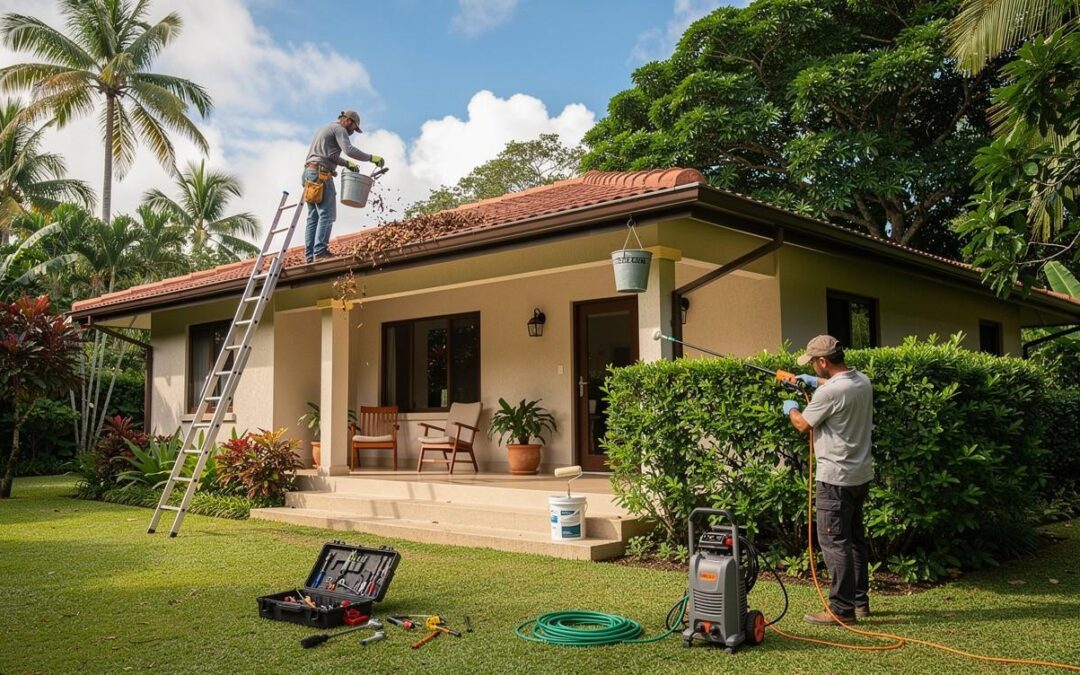
Owning property in Costa Rica means battling humidity, tropical downpours, and pests year-round. These challenges wear down roofs, corrode plumbing, and invite unwanted visitors faster than you'd expect.
At Osa Property Management, we've seen what happens when homeowners skip maintenance-and what thrives when they stay on top of it. This guide walks you through the practical steps to protect your investment.
What Destroys Costa Rican Homes Fastest
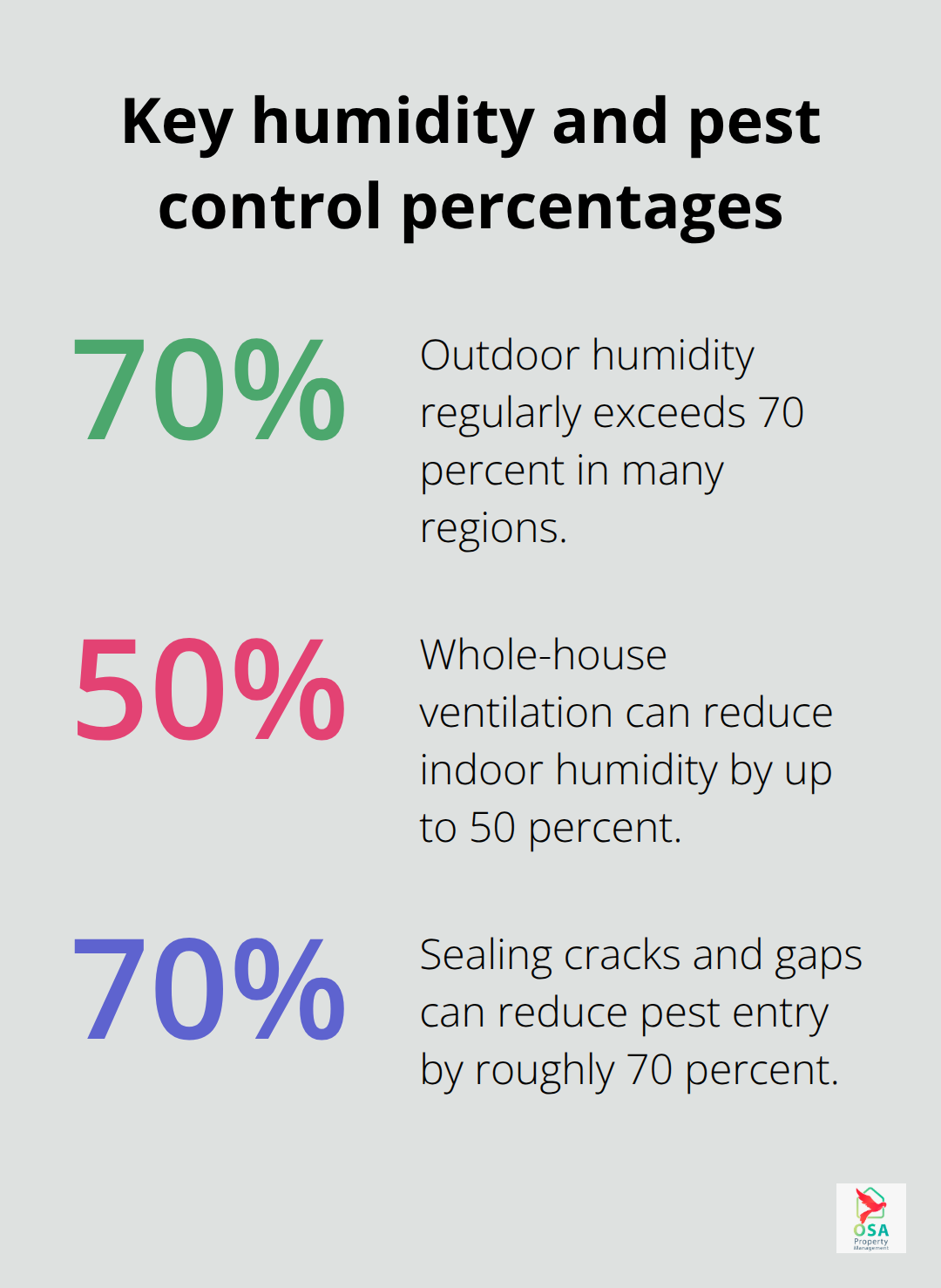
Costa Rica's climate is relentless. Humidity regularly exceeds 70 percent, rainfall surpasses 3,000 millimeters annually in many regions, and salt spray near the coast accelerates corrosion on metal components. These three forces attack roofs, plumbing, electrical systems, and exterior finishes simultaneously. Water infiltration is the single largest threat to Costa Rican properties and often remains invisible until serious damage occurs, driving foundation settlement, mold growth, and wood rot.
How Quickly Mold Takes Hold
Mold begins growing within 24 to 48 hours of moisture intrusion, according to EPA guidance. Indoor humidity above 60 percent during the rainy season fosters hidden mold behind walls and under floors. This means your property isn't just aging-it deteriorates faster than mainland properties. Material lifespans shrink dramatically. A metal roof in coastal areas needs protective sealing every 3 to 4 years, compared with 10 to 15 years in temperate climates. Galvanized components corrode within 5 to 7 years instead of lasting 15 to 20 years.
Rainfall and Drainage Overwhelm Unprepared Properties
Exterior stucco fades and cracks within 2 to 3 years under equatorial UV exposure, and those cracks allow water to penetrate behind the surface where mold develops invisibly. The rainy season runs from May through November, with the Caribbean coast experiencing year-round precipitation. The Pacific coast faces intense downpours mainly from May to November, with some regions receiving over 200 inches of rain annually while the national average sits at about 63 inches per year. This volume of water overwhelms drainage systems if gutters aren't properly sized-they should be at least 6 inches wide to effectively channel water away from foundations.
Humidity Control Stops Deterioration Before It Starts
Keeping relative humidity under 60 percent is non-negotiable. Dehumidifiers extracting about 50 pints per day maintain indoor humidity between 30 and 50 percent, and whole-house ventilation systems reduce indoor humidity by up to 50 percent according to the U.S. Department of Energy. Install exhaust fans in bathrooms and kitchens that move at least 50 CFM to remove moisture at the source. Monthly HVAC filter replacement is equally critical because dirty filters raise humidity and reduce cooling efficiency by 15 to 20 percent.
Coastal Properties Face Faster Exterior Corrosion
Coastal properties suffer quicker exterior corrosion from salt spray, while inland properties struggle primarily with humidity and mold. Investing $500 in May for pre-rainy-season roof and gutter inspection can avert roughly $5,000 in water damage repairs by October. Professional roof inspections cost $100 to $200, and roof maintenance-including washer replacements at $400 to $800-prevents $5,000 to $8,000 in water intrusion repairs. Tropical exposure shortens roof life to about 10 to 12 years, making biannual roof inspections essential. Seal gaps around pipes with silicone caulk, use HEPA purifiers that remove 99.97 percent of spores, and regularly replace HVAC filters to prevent mold circulation. Foundation cracks wider than 1/8 inch require a structural engineer assessment, with foundation repairs running $15,000 to $25,000 and worsening rapidly if water penetrates. Proactive weatherproofing and drainage save thousands annually and set the stage for the specific maintenance tasks that protect your roof, plumbing, and pest defenses.
The Three Maintenance Systems That Protect Your Investment
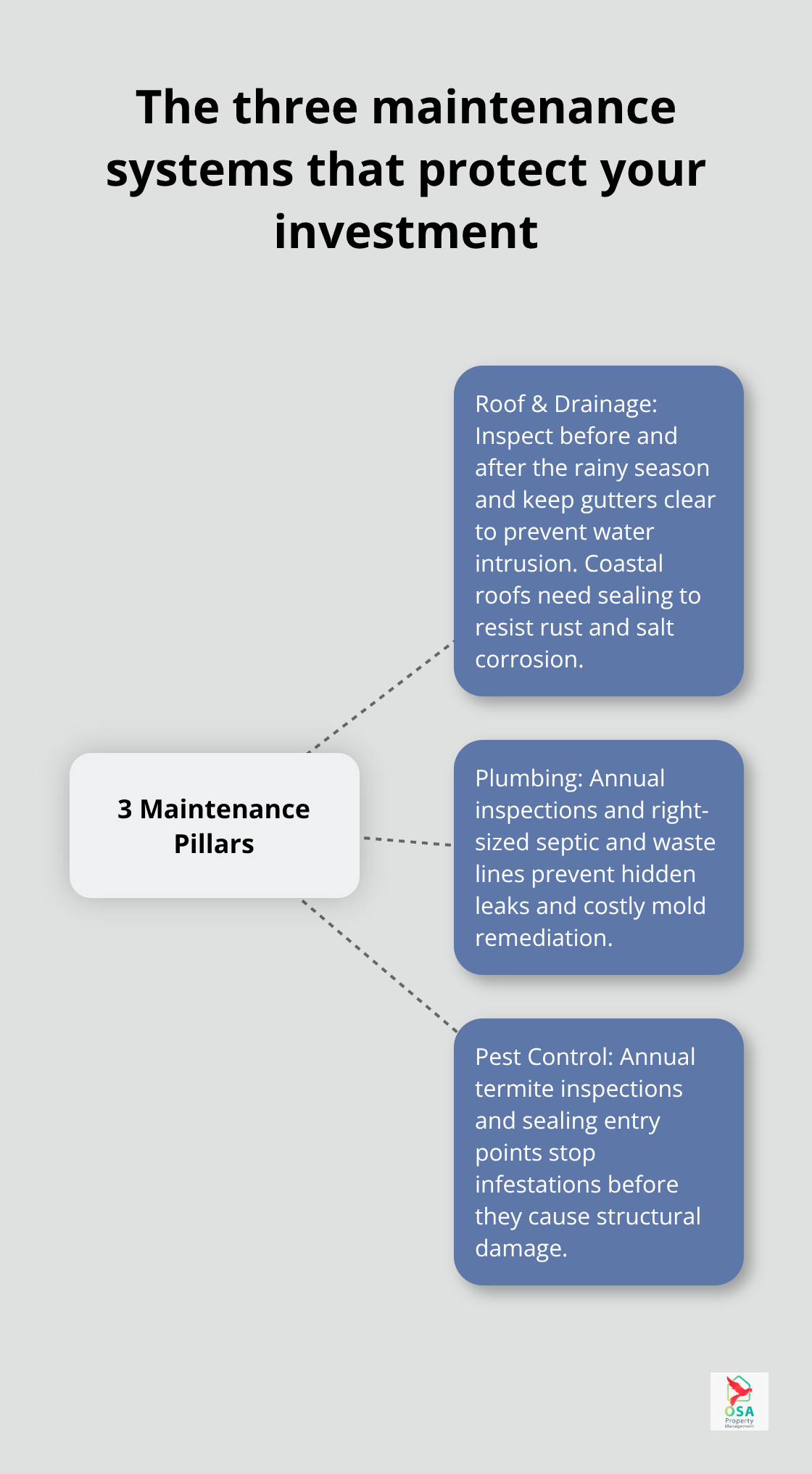
Your roof fails silently until water appears in your bedroom. Your plumbing clogs without warning. Termites eat through structural beams for months before you notice. Costa Rica's climate accelerates all three threats, which is why we treat roof and drainage, plumbing, and pest control as the three pillars of property survival.
Roof and Drainage: Your First Line of Defense
Roof failures represent the costliest risk-coastal roofs rust quickly without sealing, while inland roofs face heavy rainfall and clogged gutters that compromise water flow within weeks. Inspecting roofs before and after the rainy season, clearing gutters weekly during May through November, and applying waterproof sealant are essential preventive steps. Professional inspections cost $100 to $200 each and take roughly two hours. During inspection, a qualified technician checks for loose tiles, damaged flashing, compromised seals, and salt-related corrosion of fasteners on coastal properties.
PVDF coatings prevent metal roof oxidation by extending the lifespan of your metal roof and maintaining vibrant color even under intense UV exposure. Preventive sealing costs $1,000 to $3,000-a fraction of the $20,000-plus structural damage that water infiltration causes. Gutters require clearing before April and again in September because debris-clogged gutters force water to overflow near foundations, triggering the cracks and settlement that demand $15,000 to $25,000 in repairs. Your gutters should be at least 6 inches wide; if yours are narrower, plan for an upgrade. Downspouts must deposit water at least 6 feet away from the foundation, and foundation cracks wider than 1/8 inch demand immediate assessment by a structural engineer.
Plumbing: Preventing Hidden Leaks and Mold
Plumbing failures in Costa Rica cost $2,000 to $5,000 when septic tanks are undersized or waste lines clog from mineral-rich water. Hire a local engineer for capacity assessment at $300 to $500 and schedule annual plumbing inspections to catch leaks before hidden water triggers mold remediation costs of $1,373 to $3,325. Clean water tanks every two years and keep essential spares on hand: PVC fittings, shutoff valves, and hose clamps. Test your main shutoff valve annually so you can locate it instantly during an emergency.
Pest Control: Stopping Termites Before They Spread
Termites attack year-round and cause tens of thousands in structural damage if left unchecked. Schedule annual licensed termite inspections and use termite-resistant materials for any new wood installations or repairs. Seal cracks with silicone caulk and steel wool to reduce pest entry by roughly 70 percent. Professional pest treatments range from $500 to $2,000 depending on severity and infestation stage.
The difference between a $500 annual inspection and a $15,000 structural repair comes down to timing-when you catch problems early, you control costs. When you ignore them, the tropical climate finishes the job. Finding contractors who understand these three systems and execute them reliably separates property owners who preserve value from those who watch their investment deteriorate.
Finding and Vetting Contractors in Costa Rica
Costa Rica's property maintenance depends entirely on the contractors you hire. Bad contractors disappear mid-project, use substandard materials, or leave you with unpermitted work that creates legal liability. Good ones cost more upfront but save you money in avoided repairs and rework.
Build Your Contractor Network
Start by building a reliable network through real estate agents, neighbors, and local expat groups who have lived through contractor relationships. Interview your top three candidates in person and call their previous clients directly. Ask specific questions about work quality, timeline adherence, and problem resolution. Nonresponsive contractors or those who give vague estimates signal trouble.
Require Written Contracts and Payment Protection
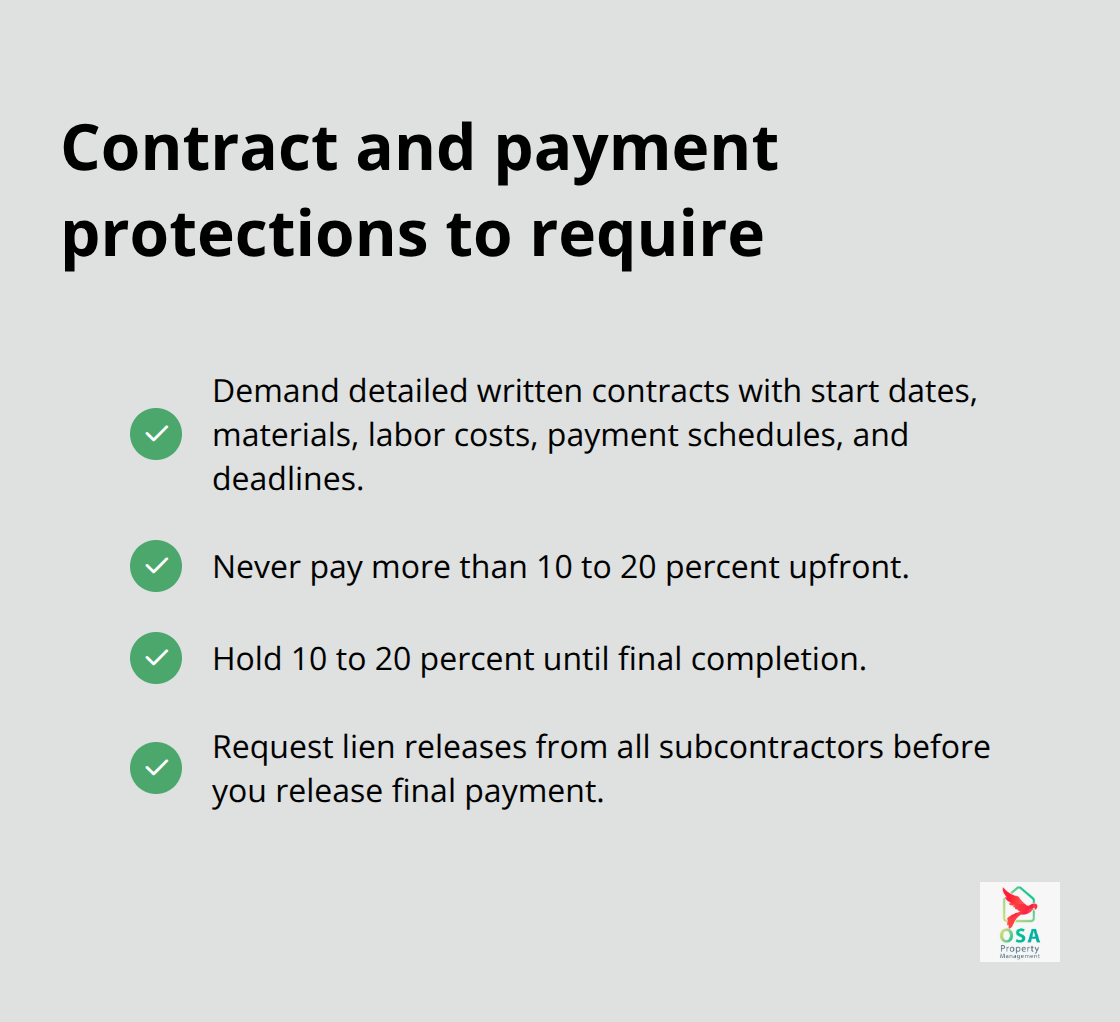
Demand detailed written contracts with start dates, specific materials, labor costs, payment schedules, and completion deadlines. Never pay more than 10 to 20 percent upfront. Hold 10 to 20 percent until final completion, and request lien releases from all subcontractors before you release final payment. This protects you from surprise claims against your property.
Navigate Permits and Compliance
Larger projects require permits from local authorities, and skipping permits exposes you to fines, forced removal of work, and resale complications. Your contractor should handle permit applications, but you remain legally responsible. Verify that permits are filed before work starts and that final inspections occur when work finishes.
Electrical work, plumbing modifications, structural changes, and roof replacements typically require permits in Costa Rica. Minor repairs like painting or gutter cleaning do not. Ask your contractor which permits apply to your project and request copies of filed applications. If your contractor resists permitting, that signals a problem.
Compare Quotes and Specify Materials
Get three competitive quotes for any project over $1,000. Compare labor rates, material specifications, and timelines side by side. The cheapest quote often reflects corner-cutting, not efficiency. A contractor charging $2,000 for roof inspection and sealing instead of $1,500 might use superior PVDF coatings that last longer and perform better in salt-air environments (a difference that compounds over years).
Ask what materials they specify and why. Ask whether they warranty their work and for how long. Written warranties protect you if problems surface after completion. Document everything after each inspection or repair-photograph conditions before and after work, record contractor names and dates, log work performed and costs. This documentation supports warranty claims and preserves resale value when you eventually sell.
Final Thoughts
Costa Rica home upkeep succeeds when you act before problems force expensive repairs. A $500 inspection in May prevents $5,000 in water damage by October, and monthly filter changes cost nothing compared to the $2,000-plus compressor failures they prevent. Annual termite inspections at $50 to $100 per month stop tens of thousands in structural damage, while documented work, maintained systems, and early issue resolution preserve your property's value against humidity, rainfall, and salt air.
Managing properties from abroad requires remote monitoring with cameras, smart water sensors, and leak detectors (costing $500 to $1,000 in labor plus device costs) to catch problems before they spread. Weekly photo checklists and regular video check-ins with your caretaker create accountability, and a documented maintenance calendar protects warranty claims and resale value when you eventually sell.
Professional property management removes the guesswork and coordination burden. We at Osa Property Management handle trusted contractor access, maintain warranty records, and provide transparent monthly updates across Tarcoles, Jaco, Manuel Antonio, Ojochal, and surrounding areas with customized service packages. Contact Osa Property Management to learn how professional management protects your investment and maximizes returns.