
Costa Rica’s tropical climate is beautiful, but it’s relentless on homes. Humidity, heavy rains, and salt air create maintenance challenges that most property owners underestimate.
At Osa Property Management, we’ve seen firsthand how preventative care saves owners thousands in repairs. This guide covers the essential home maintenance tasks every Costa Rica homeowner needs to know.
How Costa Rica’s Climate Damages Homes
Humidity and Moisture: Your Home’s Primary Enemy
Costa Rica’s humidity averages about 80% year-round, and this relentless moisture attacks homes faster than most property owners anticipate. High humidity accelerates wall moisture intrusion and mold growth at rates that shock new owners. Mold repairs alone can exceed $3,000, and that’s before structural rot or foundation damage sets in.
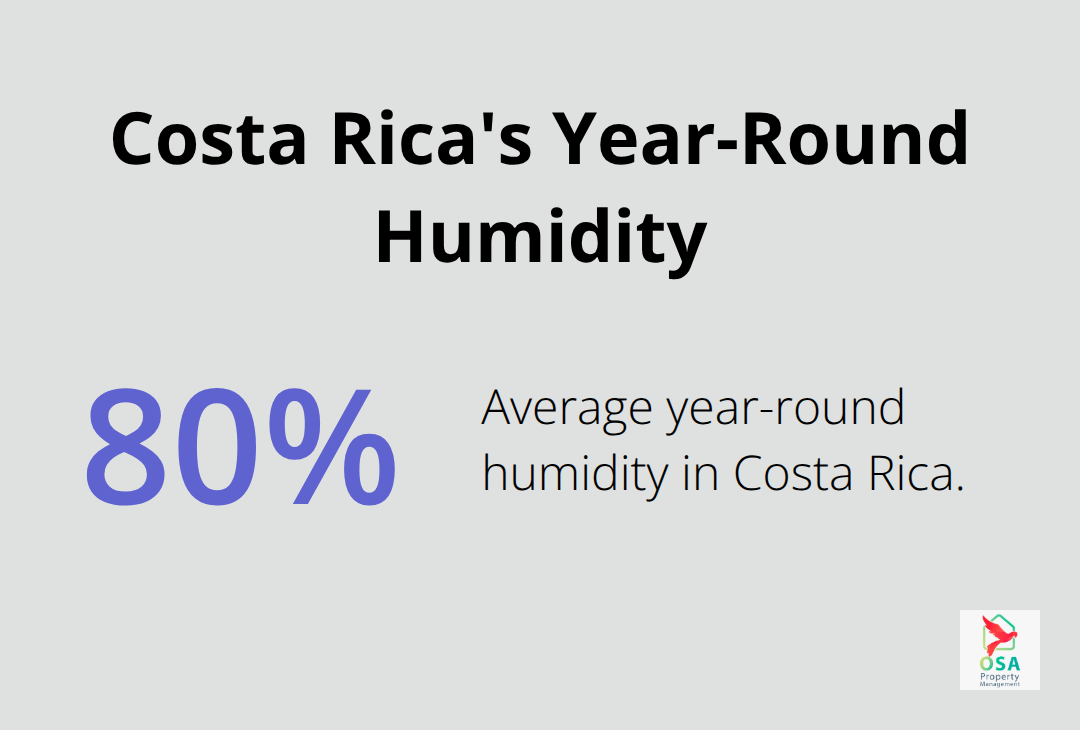
The rainy season extends up to eight months, making water intrusion the primary driver of costly damage throughout the country.
Roof and Gutter Systems: Your First Line of Defense
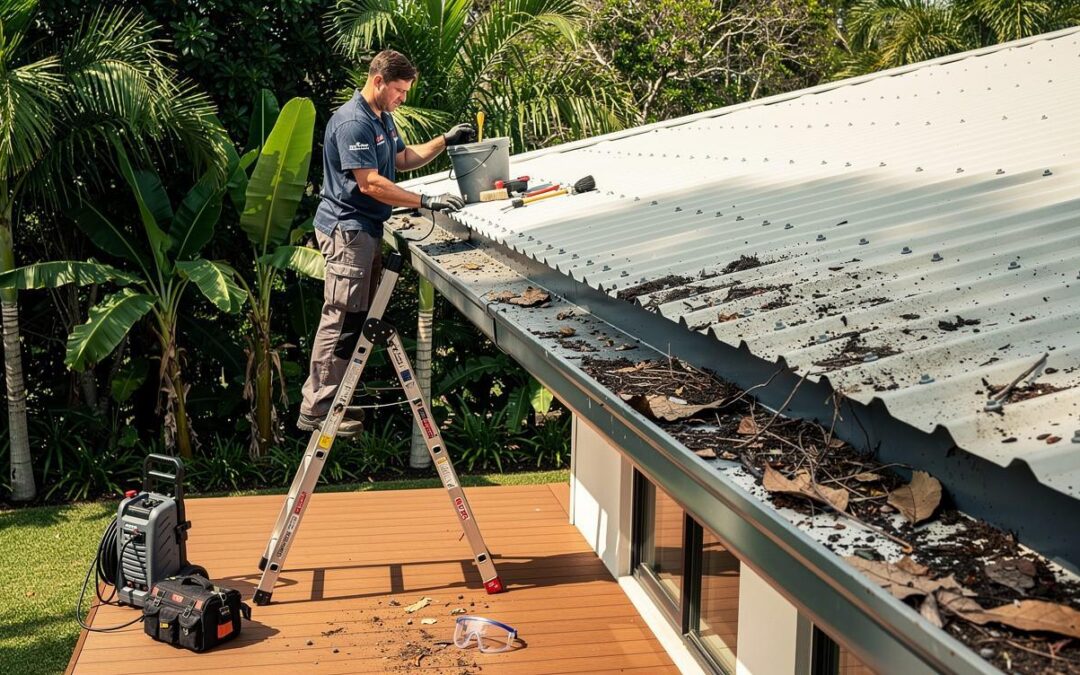
Your roof functions as a critical defense system in Costa Rica’s climate. Roof leaks originate from moisture trapped under tiles or in attic spaces, and these problems multiply quickly in humid conditions. Schedule bi-annual roof inspections ($150–$300 each) to catch small leaks before they become $20,000 repairs. Gutter systems clogged with debris during the rainy season cause foundation damage and interior wall rot within months. Quarterly gutter cleaning is not optional in Costa Rica-it’s essential maintenance that protects your entire structure.
Install water leak sensors in kitchens, bathrooms, and under sinks ($50–$100 each) to detect problems early and prevent water damage from spreading undetected through your walls and foundation.
Salt Air Corrosion in Coastal Properties
Coastal properties face an additional threat that inland homes avoid: salt air corrosion. Salt air accelerates rust on metal components and fasteners at rates that shock most new owners. Coastal homes require exterior repainting every 2–3 years ($2,000–$5,000), compared to inland properties that can go 4–5 years between full repaints. Metal roofing in coastal areas needs inspection every six months because salt air corrodes fasteners and seams rapidly.
Use marine-grade materials and salt-exposure-rated sealants to prevent rust and extend your investment’s lifespan. Elastomeric exterior paint seals walls in humid coastal environments, and quarterly exterior paint checks can extend your repaint interval to 4–5 years, saving up to 40% over time.
Water Quality and Plumbing Protection
Mineral-rich water in Costa Rica scales pipes and causes corrosion that damages your plumbing system from the inside out. Schedule annual licensed plumbing checks and flush mineral buildup to prevent failures that disrupt your home’s water supply. These inspections catch problems before they force expensive emergency repairs or water damage to your property.
Pest Control: Protecting Against Structural Threats
Termites and wood-boring insects pose a major structural threat in this climate. Monthly licensed pest-control inspections ($50–$100) prevent costly structural damage that often exceeds $5,000. Seal cracks with silicone caulk or steel wool to block pest entry and reduce reinfestation risk throughout your home. These simple actions stop pests before they compromise your home’s wooden structures and foundations.
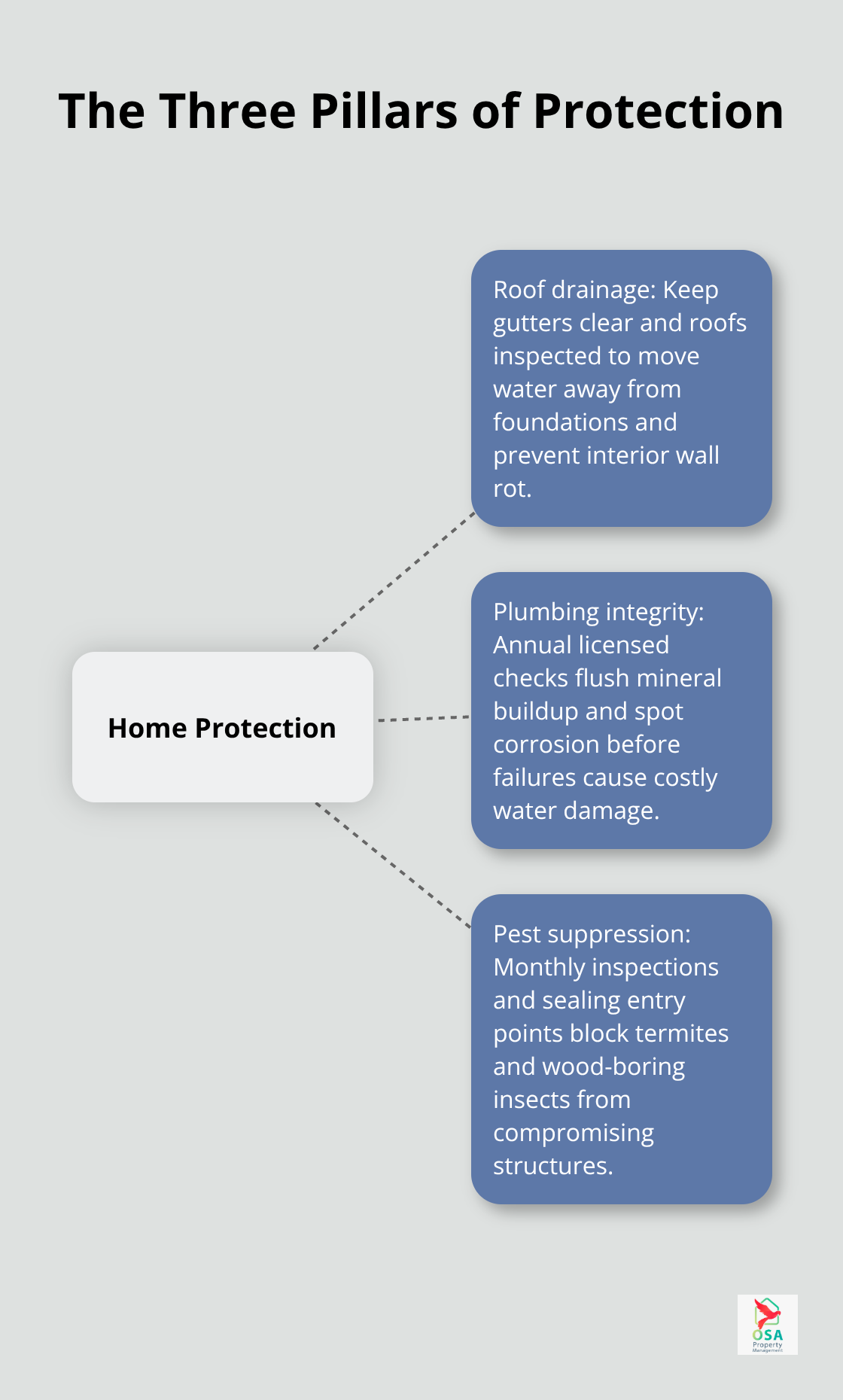
The three pillars of protection-roof drainage, plumbing integrity, and pest suppression-work together to shield your Costa Rica property from the tropical climate’s relentless assault. Understanding these systems prepares you to hire the right professionals and build a maintenance schedule that actually works.
Essential Maintenance Tasks for Costa Rica Homeowners
Professional inspections act as your cheapest insurance policy in Costa Rica. The difference between owners who inspect regularly and those who don’t shows up dramatically in repair costs. Schedule comprehensive property inspections at least twice yearly, focusing on roof condition, water intrusion signs, plumbing integrity, and pest activity. Inspectors must look for water stains on ceilings and walls, peeling paint near baseboards, soft spots in wooden beams, and visible mold in bathrooms and kitchens. These visual markers reveal problems before they become structural failures.
Hire licensed professionals who understand Costa Rica’s specific challenges. They identify mineral buildup in pipes, check for subterranean termite mud tubes in foundations, and verify that gutters drain properly away from your home’s base. Early detection saves thousands-catching a roof leak at inspection costs $300 to repair; ignoring it costs $20,000 when it destroys your attic and interior walls.
Roof and Gutter Systems Demand Seasonal Action
Roof maintenance isn’t optional in Costa Rica-it’s survival. Schedule roof inspections every two to three years before and after the rainy season, which extends up to eight months annually. Inspectors must check for moisture trapped under tiles or metal seams, fastener corrosion on metal roofs, and proper attic ventilation. Quarterly gutter cleaning ($100–$200 per service) prevents debris accumulation that causes foundation damage and interior wall rot within months.
Use larger-capacity gutters designed for tropical rainfall rather than standard systems. During heavy rains, undersized gutters overflow and direct water directly against your foundation. Replace gutters older than 10 years with seamless aluminum or galvanized steel systems that handle Costa Rica’s volume of water. For metal roofs in coastal areas, inspect every six months because salt air corrodes fasteners and seams rapidly-waiting a full year between inspections often means discovering expensive corrosion damage too late. Trim tree branches hanging over your roof to prevent leaf and debris accumulation that accelerates deterioration.
Plumbing Systems Need Annual Professional Attention
Mineral-rich water in Costa Rica scales pipes and corrodes plumbing systems from inside out faster than most owners realize. Schedule annual licensed plumbing inspections ($150–$300) to flush mineral buildup and identify corrosion before failures force emergency repairs costing $500–$1,500. Septic systems require pumping every 2–3 years at $300–$500 per service-skipping this maintenance leads to backups and soil contamination that destroys your septic field permanently.
Water pressure fluctuations from Costa Rica’s aging infrastructure damage fixtures and seals. Have professionals check pressure regulators annually. Inspect visible pipes under sinks and in utility areas for rust stains or small leaks that indicate internal corrosion spreading through your system. Replace old galvanized pipes with copper or PVC if you notice discolored water or low pressure-these upgrades cost $2,000–$5,000 but prevent catastrophic failures that damage walls and foundations.
Water Leak Detection Technology Stops Damage Before It Spreads
Water leak sensors installed in kitchens, bathrooms, and under sinks ($50–$100 each) provide real-time alerts on your phone, stopping water damage before it spreads through walls and foundations undetected. These devices catch leaks that inspections might miss between scheduled visits. Combine sensor technology with your professional inspection schedule to create multiple layers of protection against Costa Rica’s moisture threats.
Finding the right professionals to execute these inspections and maintenance tasks separates successful property owners from those facing expensive emergency repairs.
Hiring Local Professionals and Building Your Maintenance Team
Hiring the wrong contractor in Costa Rica costs you thousands in failed repairs, missed deadlines, and shoddy work that creates new problems. We at Osa Property Management have observed properties damaged by contractors who cut corners on tropical maintenance, and the pattern repeats consistently: owners either hire based on price alone or trust recommendations from tourists who spent two weeks in the country. Neither approach works.
Finding Contractors Who Understand Tropical Maintenance
Local contractors who specialize in tropical properties understand that Costa Rica’s humidity, salt air, and aggressive rainy seasons demand specific materials and techniques that standard builders never learned. When you call a contractor, ask directly about their experience with mineral-scaled plumbing in Costa Rica, their history with roof leaks in high-humidity conditions, and whether they’ve worked on coastal properties dealing with salt air corrosion. Contractors who hesitate or give vague answers don’t understand your climate.
Insist on references from property owners who’ve used the contractor for at least two years, not one-off projects. A contractor maintaining a roof for two years reveals whether their work actually holds up against Costa Rica’s rainy season. Short-term projects hide poor workmanship that fails when the next heavy rain arrives.
Understanding Costa Rica’s Building Code Requirements
Costa Rica’s building codes, particularly in areas like Tarcoles, Jaco, Dominical, Manuel Antonio, Ojochal, Uvita, and Golfito, require specific construction standards that directly impact maintenance needs and contractor qualifications. Professionals certified by Costa Rica’s Colegio de Ingenieros understand these codes and won’t recommend shortcuts that violate regulations or void insurance coverage.
Ask contractors whether they’re familiar with your property’s specific building code requirements before hiring them. This single question eliminates contractors who work by guesswork and identifies those with legitimate expertise in your region.
Creating Preventative Maintenance Contracts
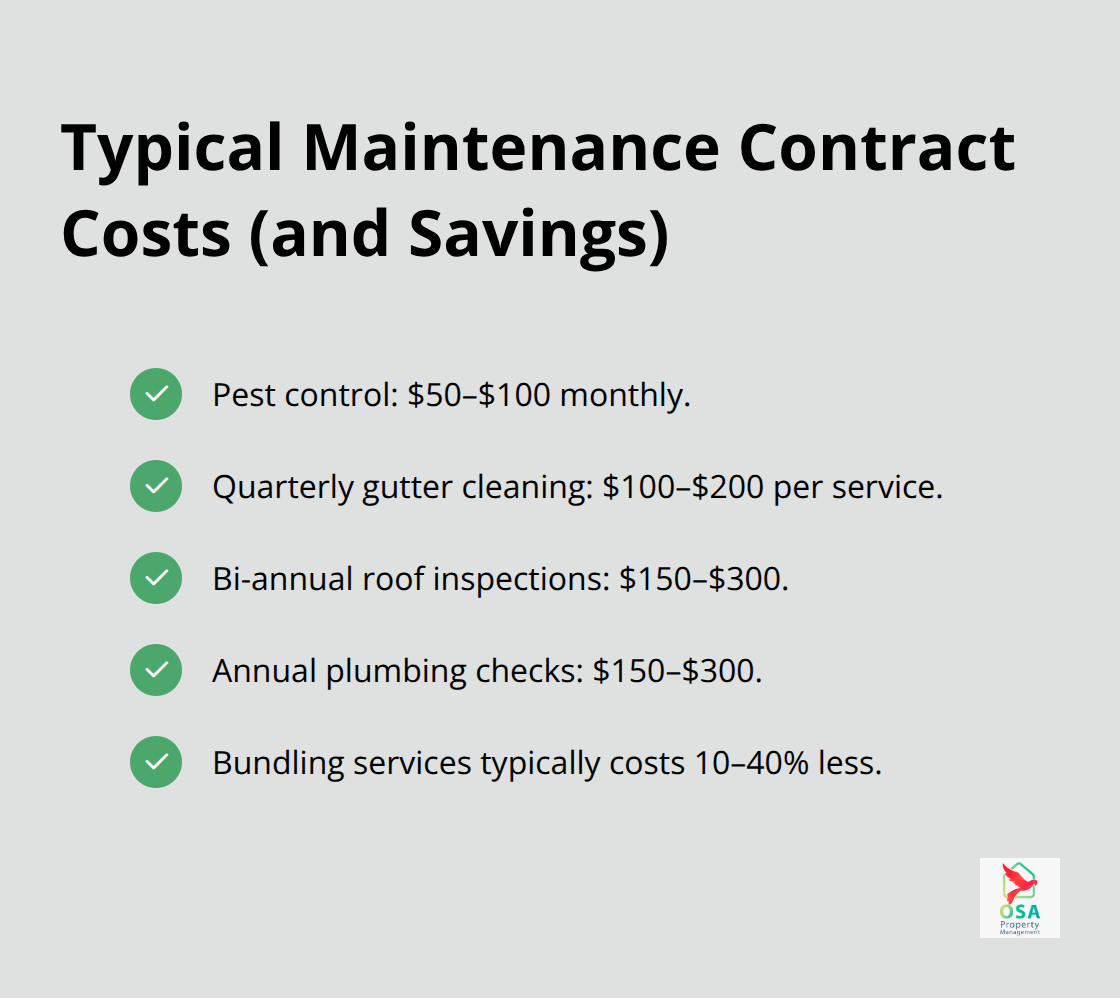
A maintenance schedule that actually prevents emergencies requires annual or multi-year contracts with specific companies for roof inspections, gutter cleaning, plumbing checks, and pest control rather than calling someone when problems appear. Contracts should specify frequency (quarterly gutter cleaning, bi-annual roof inspections), pricing locked in for the contract term, and response time for emergency repairs.
Expect to pay $50–$100 monthly for pest control, $100–$200 per quarterly gutter cleaning, $150–$300 for bi-annual roof inspections, and $150–$300 for annual plumbing checks. Bundling these services with a single contractor or property management company typically costs 10–40% less than hiring separately, and you gain consistency since one team coordinates all work.
Professional Property Management Eliminates Contractor Headaches
Professional property management companies with established networks of vetted contractors eliminate the burden of finding reliable people yourself. We at Osa Property Management maintain trusted relationships with licensed specialists throughout the southern Pacific zone who understand tropical maintenance requirements and meet Costa Rica’s building code standards. Property owners who outsource maintenance coordination to professionals spend far less on repairs than those managing contractors independently, simply because professionals catch problems early through regular inspections and prevent emergency calls that cost 300–500% more than preventive work.
Final Thoughts
Home maintenance in Costa Rica requires commitment, but the payoff justifies every dollar invested. Property owners who implement the strategies covered in this guide spend thousands less on repairs than those who react to emergencies. A $300 roof inspection catches a leak that costs $20,000 to repair if ignored, quarterly gutter cleaning prevents foundation damage that runs $15,000 or more, and annual plumbing checks identify mineral buildup before it forces emergency repairs costing $1,500.
The three-pillar approach of roof drainage, plumbing integrity, and pest suppression creates a system that protects your investment year after year. You’ll budget roughly $1,500–$2,500 yearly for pest control, gutter cleaning, and roof and plumbing inspections-a fraction of what emergency repairs cost. This consistent maintenance catches problems early and stops small issues before they become structural failures.
The real challenge isn’t understanding what needs maintenance; it’s executing the plan consistently while managing contractors and coordinating repairs. Osa Property Management handles this coordination for property owners throughout the southern Pacific zone, managing contractor relationships and scheduling inspections so you don’t have to. Start today by scheduling your first comprehensive inspection and committing to the maintenance schedule outlined in this guide.