

Most property owners in Costa Rica underestimate their maintenance costs by 30 to 50 percent. The tropical climate, regional labor rates, and hidden expenses catch landlords off guard every year.
At Osa Property Management, we've seen countless investors struggle because they didn't budget properly before listing their properties. This guide walks you through realistic maintenance budgeting for Costa Rica so you can protect your investment from day one.
Why Maintenance Costs Surprise Property Owners in Costa Rica
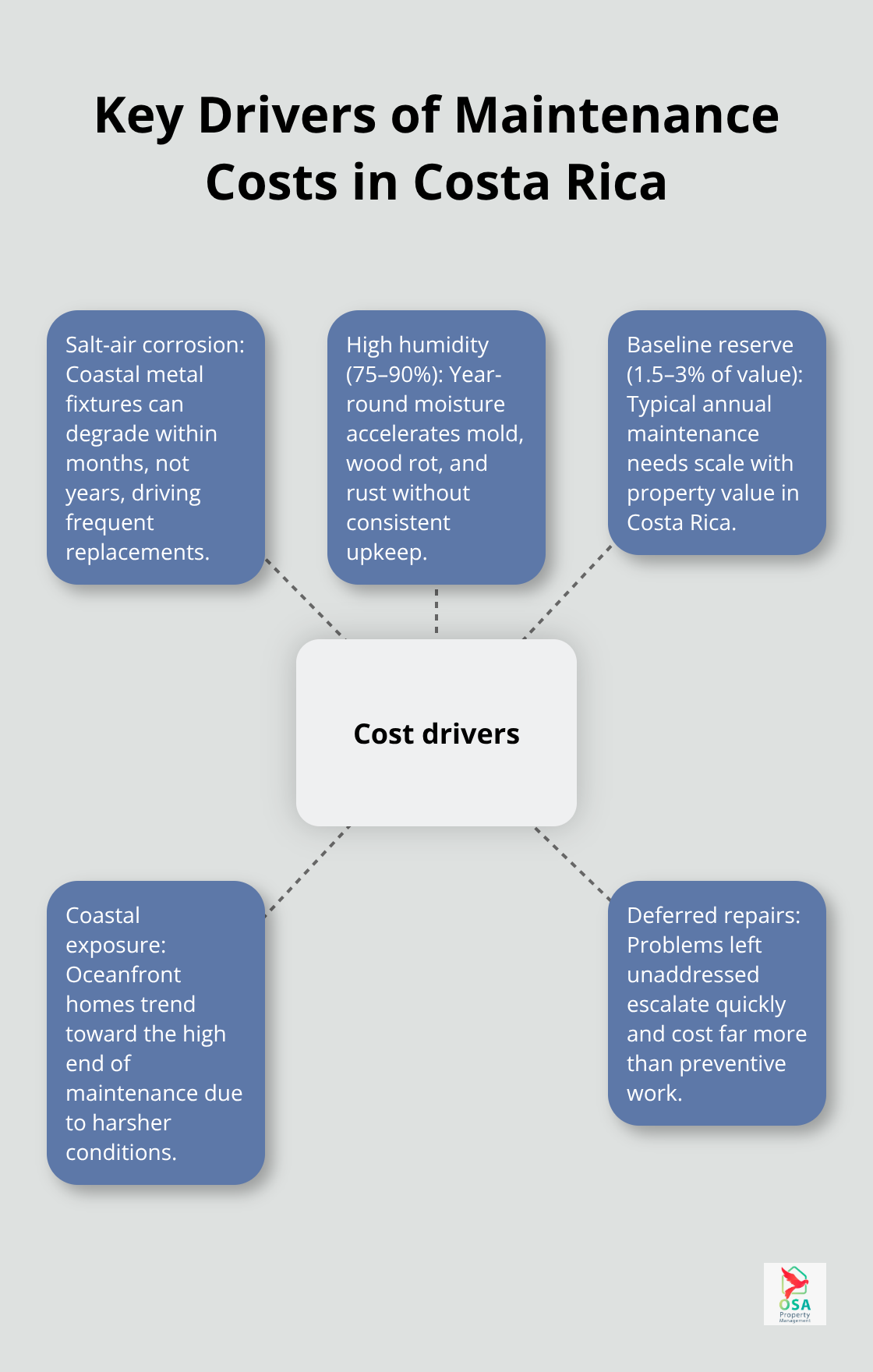
The tropical climate in Costa Rica accelerates deterioration at a pace most investors from temperate climates simply don't anticipate. Salt air corrodes metal fixtures in coastal properties within months, not years. Humidity levels between 75 and 90 percent year-round create ideal conditions for mold, wood rot, and rust that spread aggressively. Annual maintenance typically runs 1.5 to 3 percent of a property's value, which means a $400,000 home requires $6,000 to $12,000 yearly just for upkeep.
How Climate Drives Unexpected Damage
Inland homes in the Central Valley experience slower deterioration but still demand regular attention due to heavy rainy seasons that stress roofing, gutters, and foundations. Costa Rica's rainy season from May through November creates concentrated damage windows that catch property owners off guard. Roof leaks, foundation cracks, and pest infestations spike during these months, forcing emergency repairs that cost far more than preventive maintenance would have. The aggressive tropical environment means that what costs $500 to fix today becomes a $5,000 problem within six months if left unaddressed.
Labor and Material Costs Vary Dramatically by Location
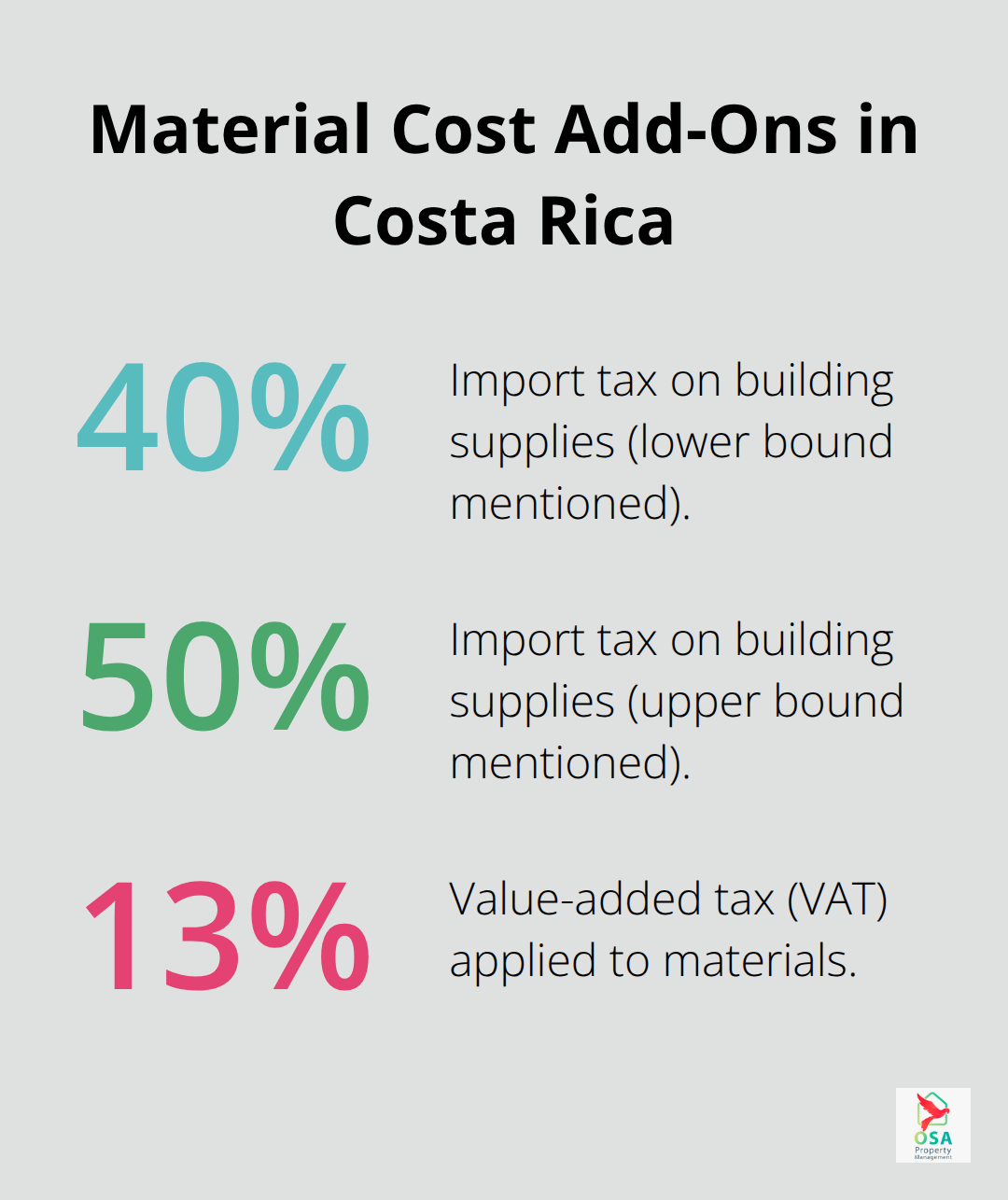
A skilled contractor in San José charges differently than one in Uvita or Golfito, and these regional gaps significantly impact your budget. Coastal tourist zones like Manuel Antonio and Dominical command premium labor rates because demand outpaces supply. A plumber in Jaco might charge $50 to $80 per hour, while the same work in a rural inland town costs $30 to $50. Materials also shift by region. Imported building supplies carry import taxes around 40 to 50 percent plus 13 percent VAT, making drywall, fixtures, and appliances substantially pricier in remote areas.
Specialized Maintenance Costs That Owners Underestimate
Pool maintenance illustrates regional pricing clearly: oceanfront pools in salt-air environments require monthly service costing $150 to $400, while inland pools run $100 to $250. Garden maintenance in tropical zones demands constant attention because vegetation grows aggressively during rainy season. Coastal properties need monthly pest control at $30 to $60 to combat salt-tolerant insects and termites that thrive near the ocean. These aren't optional expenses; they're baseline costs that catch owners off guard because they underestimate the frequency and intensity of maintenance work required.
Understanding these regional and climate-driven costs forms the foundation for building an accurate maintenance budget. The next section walks you through calculating realistic reserve funds and accounting for seasonal damage patterns specific to your property's location and age.
Building a Realistic Maintenance Budget for Your Rental Property
Calculate Your Monthly Reserve Based on Property Value and Age
Start with the baseline formula: set aside 1.5 to 3 percent of your property's value annually, then divide by 12 for your monthly reserve. A $300,000 property demands $375 to $750 monthly. This isn't optional-it's the bare minimum to handle deterioration that tropical climates accelerate relentlessly. Property age matters significantly. Newer homes built within the last five years typically land at the lower end of this range because structural systems still function efficiently. Homes older than 15 years jump to the upper range because roofing, plumbing, electrical systems, and foundations accumulate wear faster in Costa Rica's humidity and salt environments. A 25-year-old coastal home in Manuel Antonio needs monthly reserves closer to $2,000 to $2,500 because salt air has already compromised exterior finishes, metal fixtures, and foundation integrity.
Plan for Seasonal Damage Patterns
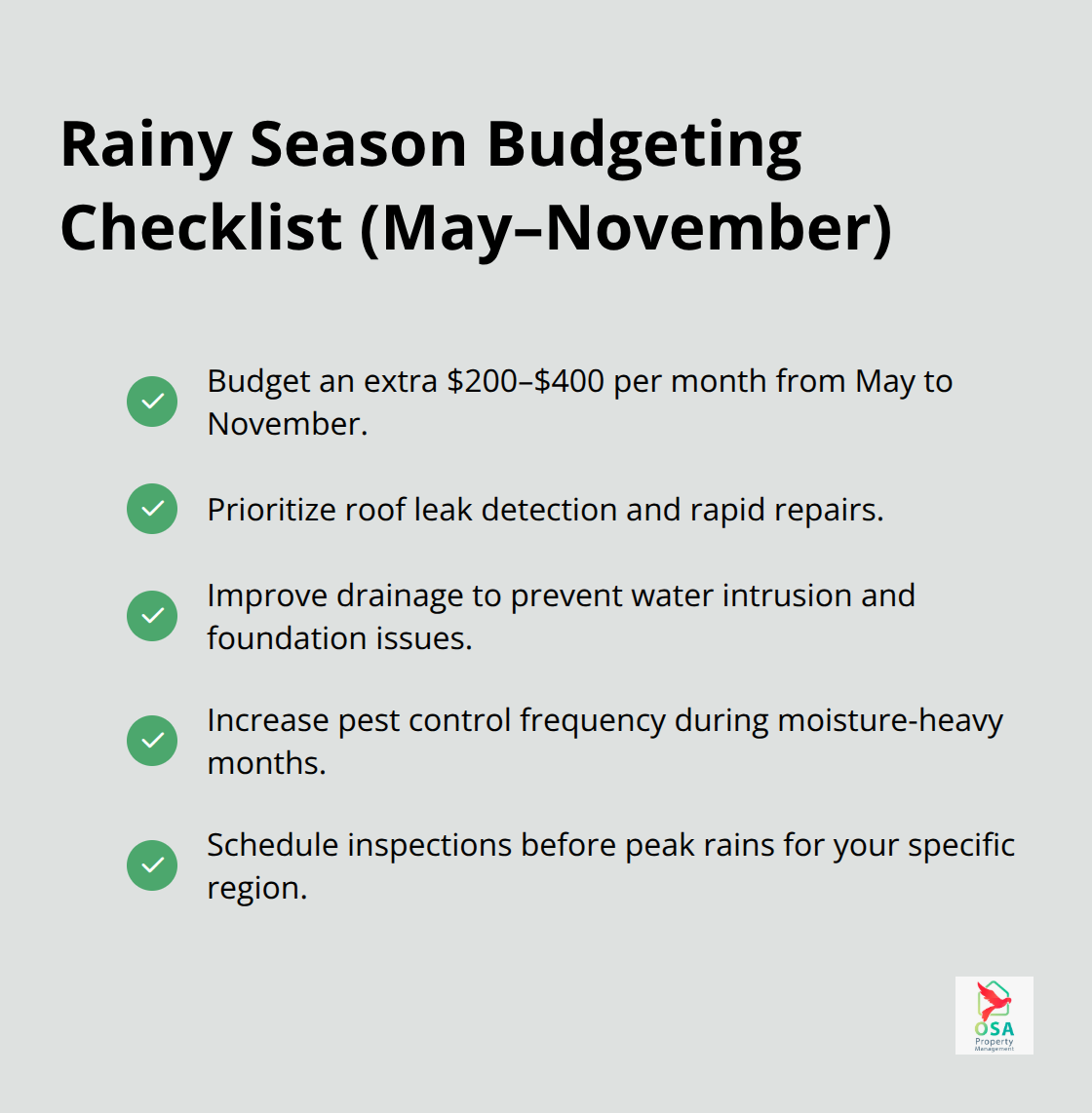
Costa Rica's rainy season from May through November creates predictable damage patterns that most owners ignore until emergency bills arrive. Roof leaks spike during this period, costing $500 to $2,000 per repair depending on extent and material. Foundation cracks and water intrusion problems accelerate during heavy downpours, especially in homes without proper drainage systems. Pest control intensifies during rainy months when termites, rodents, and insects thrive in moisture-rich conditions. You should budget an additional $200 to $400 monthly during May through November specifically for seasonal maintenance above your baseline reserve. Inland properties in the Central Valley face different seasonal pressures than coastal zones. Heavy rains stress older roofing systems and gutters more severely in mountainous terrain where water runoff concentrates.
Account for Regional Labor Rate Differences
Your location directly controls what maintenance actually costs monthly. Coastal tourist zones like Jaco and Manuel Antonio demand $50 to $80 per hour for skilled contractors, while rural inland towns charge $30 to $50 for identical work. A roof inspection that costs $200 in Golfito might cost $400 in a beachfront Manuel Antonio development. Pool maintenance in oceanfront Papagayo condos runs $150 to $400 monthly, while the same service in Central Valley properties costs $100 to $150. Garden maintenance in aggressive tropical zones demands monthly attention at $150 to $400, especially during rainy season when vegetation explodes. Imported materials carry import taxes of 40 to 50 percent plus 13 percent VAT, making coastal repairs exponentially more expensive because contractors source supplies from San José and mark up transportation costs. Rather than guessing at regional rates, speak with property managers already operating in your target area-they'll provide actual quotes from contractors they work with regularly, not theoretical estimates. This approach eliminates surprises and anchors your budget to real market conditions instead of assumptions.
How Professional Property Management Reduces Maintenance Surprises
Professional property management transforms maintenance from a financial drain into a predictable, controlled expense. Property managers operating across multiple regions develop relationships with trusted local contractors who provide consistent pricing and quality work. A manager working in Jaco knows which plumber charges fairly, which electrician cuts corners, and which pool service actually prevents expensive algae blooms instead of just treating them. This network eliminates the trial-and-error phase that independent owners navigate painfully. Instead of calling random contractors and accepting the first quote, professional managers leverage volume relationships to negotiate better rates than individual property owners receive.
Preventive Maintenance Plans Lower Long-Term Costs
Property managers schedule preventive work during off-season windows when contractor availability peaks and pricing drops, whereas owners scrambling during rainy season emergency windows pay premium rates. A property manager coordinates roof inspections before May, schedules pest treatments before rainy season intensifies, and times electrical system checks before hurricane season stress tests your infrastructure. Preventive maintenance schedules help landlords stay ahead of weather-related property issues while reducing emergency repair risks. These schedules eliminate the guesswork that costs owners thousands in delayed interventions. The difference isn't subtle-it's the gap between spending $15,000 on emergency roof reconstruction versus $3,000 on scheduled inspections and repairs.
Access to Trusted Local Contractors and Vendors
A coastal property in Manuel Antonio requires quarterly roof inspections and monthly pest control plus seasonal gutter cleaning, while an inland Central Valley home needs different timing entirely. Property managers calibrate maintenance schedules to your specific property's age, location, and vulnerability patterns rather than applying generic calendars that miss critical regional threats. They maintain relationships with contractors who understand salt-air corrosion in coastal zones versus moisture damage in mountain regions. These contractors provide quotes anchored to actual market conditions instead of inflated estimates that independent owners often receive.
Transparent Accounting and Cost Tracking
Real property managers provide monthly cost breakdowns showing exactly what was spent on plumbing, pest control, gardening, and pool maintenance-not vague summaries. This visibility lets you compare actual spending against your budgeted reserve and adjust future projections with confidence. Owners managing properties remotely cannot physically verify that work was completed properly or that contractors actually showed up. Professional managers conduct inspections after every service, photograph results, and document issues before they explode into expensive problems. They maintain preventive maintenance schedules that specify when roof sealing happens, when AC filters require replacement, and when foundation drainage systems need clearing, preventing costly water damage and structural deterioration. This documentation creates accountability and protects your investment from contractor negligence or incomplete work.
Final Thoughts
Maintenance budgeting in Costa Rica demands action before you list your property, not after your first emergency repair bill arrives. The tropical climate, regional labor variations, and seasonal damage patterns create real financial consequences for owners who delay planning. Your monthly reserve fund, seasonal adjustment strategy, and regional cost awareness form the foundation of a property that generates consistent rental income instead of draining your account with surprise expenses.
The most successful property owners treat maintenance budgeting as a core investment decision, not an afterthought. They calculate their 1.5 to 3 percent annual reserve before purchasing, factor in their specific region's labor rates, and account for seasonal damage windows unique to their location. This upfront planning eliminates the shock that catches unprepared owners off guard year after year. Review actual expenses quarterly and adjust your annual projections based on real spending patterns rather than theoretical estimates, since a property that costs $600 monthly in year one might require $750 in year three as systems age.
Start your maintenance budgeting process today by calculating your property's baseline reserve, identifying your region's labor rates, and connecting with experienced property management that understands Costa Rica's specific maintenance demands. A property manager operating across Tarcoles, Jaco, Dominical, Manuel Antonio, Ojochal, Uvita, and Golfito understands the exact maintenance demands your property faces based on its location and age. Your investment's long-term success depends on planning these costs before listing, not scrambling to cover them after guests arrive.