
Costa Rica’s tropical climate demands a different approach to property upkeep than most landlords expect. Without a solid maintenance scheduling strategy, you’ll face expensive repairs, frustrated tenants, and preventable damage that compounds over time.
We at Osa Property Management have seen firsthand how properties thrive when maintenance is planned rather than reactive. This guide shows you exactly how to build a system that works.
Why Maintenance Matters in Tropical Costa Rica
Costa Rica’s climate is brutal on property. High humidity, intense rainfall during green season, salt spray near coasts, and constant heat accelerate deterioration of roofs, wood structures, plumbing, and exterior finishes far faster than temperate climates. A minor roof leak becomes structural rot within months without attention. A small crack in caulking invites moisture that triggers mold and foundation damage. Annual upkeep costs typically run 1.5 to 3 percent of property value, reaching $10,000 to $25,000 yearly for mid-sized homes. Emergency repairs cost $15,000 to $40,000 for water damage, termite treatment, or roof replacement-preventive maintenance cuts these catastrophic costs dramatically.
Humidity and Seasonal Weather Demand Year-Round Attention
Green season runs May through November with rainfall that exceeds 200 inches annually in some regions. Dry season from December through April brings intense sun and heat. Each season attacks properties differently. During green season, debris clogs gutters, creating water overflow that damages fascia and foundation. Mold thrives in damp conditions, particularly in bathrooms and basements. Termites and wood-boring insects accelerate their activity when moisture rises. During dry season, intense UV exposure cracks caulk and sealant, while extreme heat stresses HVAC systems and plumbing fixtures.
Monthly indoor checks covering light switches, water pressure, leaks, and appliance performance catch problems early. Weekly outdoor inspections for pest signs, invasive weeds, and pool chemistry prevent expensive infestations and structural compromise. This rhythm matters because tropical damage compounds fast-a gutter left uncleaned for two months becomes a habitat for mosquitoes and a water source that rots wooden eaves.
Guest Satisfaction Drives Rental Income and Property Value
Renters in Costa Rica expect properties to function flawlessly. Broken air conditioning in 90-degree heat generates negative reviews instantly. Leaking roofs, stained ceilings, or mold spots tank booking rates and rental income. Properties with documented maintenance schedules command 15 to 25 percent higher nightly rates than neglected competitors because guests trust they won’t face surprises.
Smart monitoring systems help you catch issues remotely. Water alarms detect leaks before they spread. Smart thermostats alert you to HVAC failures. Smart locks with time-limited guest codes prevent access disputes. Security cameras protect your investment and deter vandalism. Pool maintenance alone costs $150 to $400 monthly depending on size and location, but a dirty pool or broken pump destroys a week’s bookings and your reputation. Tropical landscaping requires $150 to $400 monthly for trimming, fertilizing, and pest control because overgrown properties look abandoned and attract security risks.
Moving Forward with Strategic Planning
Renters notice every detail. Consistent maintenance translates directly to occupancy rates, positive reviews, and long-term profitability. The next step involves building a maintenance calendar that addresses these seasonal demands and keeps your property guest-ready year-round.
What Your Maintenance Calendar Should Cover Each Month
Indoor and Outdoor Monthly Inspections
Monthly maintenance tasks form the backbone of tropical property protection, and they differ significantly from temperate-climate schedules. Indoor checks must happen every 30 days without exception: test light switches and outlets for electrical faults, verify water pressure remains consistent, inspect under sinks and around toilets for leaks, check that all appliances operate normally, and scan for pest evidence like droppings or damage. Monthly outdoor inspections are equally critical-examine trees near pools or power lines for dead branches that could fall during storms, test security devices and gate latches, look for termite mud tubes on foundation walls, and check pool chemistry if applicable.
Water filters need regular replacement in Costa Rica due to humidity and mineral content. Dust accumulation accelerates mold growth in humid conditions, so monthly surface dusting prevents respiratory hazards and keeps air quality acceptable for guests. Inspect window and door seals for gaps where insects enter, check HVAC operation to confirm it’s cooling or heating effectively, examine grout and caulk for cracks that admit moisture, and replace batteries in smoke and carbon monoxide detectors.
Why Monthly Documentation Matters
The monthly rhythm prevents small problems from becoming expensive disasters-water damage restoration costs $7,500 to $15,000 or more for significant damage, while catching leaks early prevents these expenses entirely. Document every monthly task with photos and notes so you have proof of preventive care if insurance questions arise after damage occurs.
Green Season Preparation and Management
Seasonal shifts demand different priorities because green season and dry season attack properties through different mechanisms. Before green season arrives in May, inspect the roof for loose shingles or deteriorated flashing, clear gutters completely of debris, test all outdoor faucets and irrigation systems, check that drainage around the foundation slopes away from the house, and seal any window or door cracks where water might enter. During green season itself, increase outdoor inspections to weekly, monitor gutters after heavy rains, watch for mold on exterior walls and wood surfaces, and maintain pool pumps and filters continuously because stagnant water breeds mosquitoes that carry dengue fever.
Dry Season and Hurricane Preparation
Before dry season in December, service HVAC systems thoroughly because intense heat stresses cooling units heavily, check that outdoor furniture and equipment are secured against wind, inspect the roof again for damage from green season storms, and verify that all exterior caulk remains intact. During dry season, UV exposure becomes the enemy-caulk, sealant, and paint fade and crack rapidly, so inspect exterior finishes monthly and plan resealing or repainting projects for the following green season.
Hurricane season from September through October requires specific preparation: verify that storm shutters operate smoothly, check that outdoor items are stowed or secured, confirm that emergency contact numbers are current and accessible, and maintain generators with fuel and working condition. These seasonal adjustments cost time now but prevent $20,000 to $50,000 emergency repairs after storms or during peak damage seasons. With your monthly and seasonal tasks mapped out, the next step involves selecting the right tools and services that transform this calendar from a checklist into an automated, reliable system.
How to Set Up Systems That Handle Maintenance Without Constant Attention
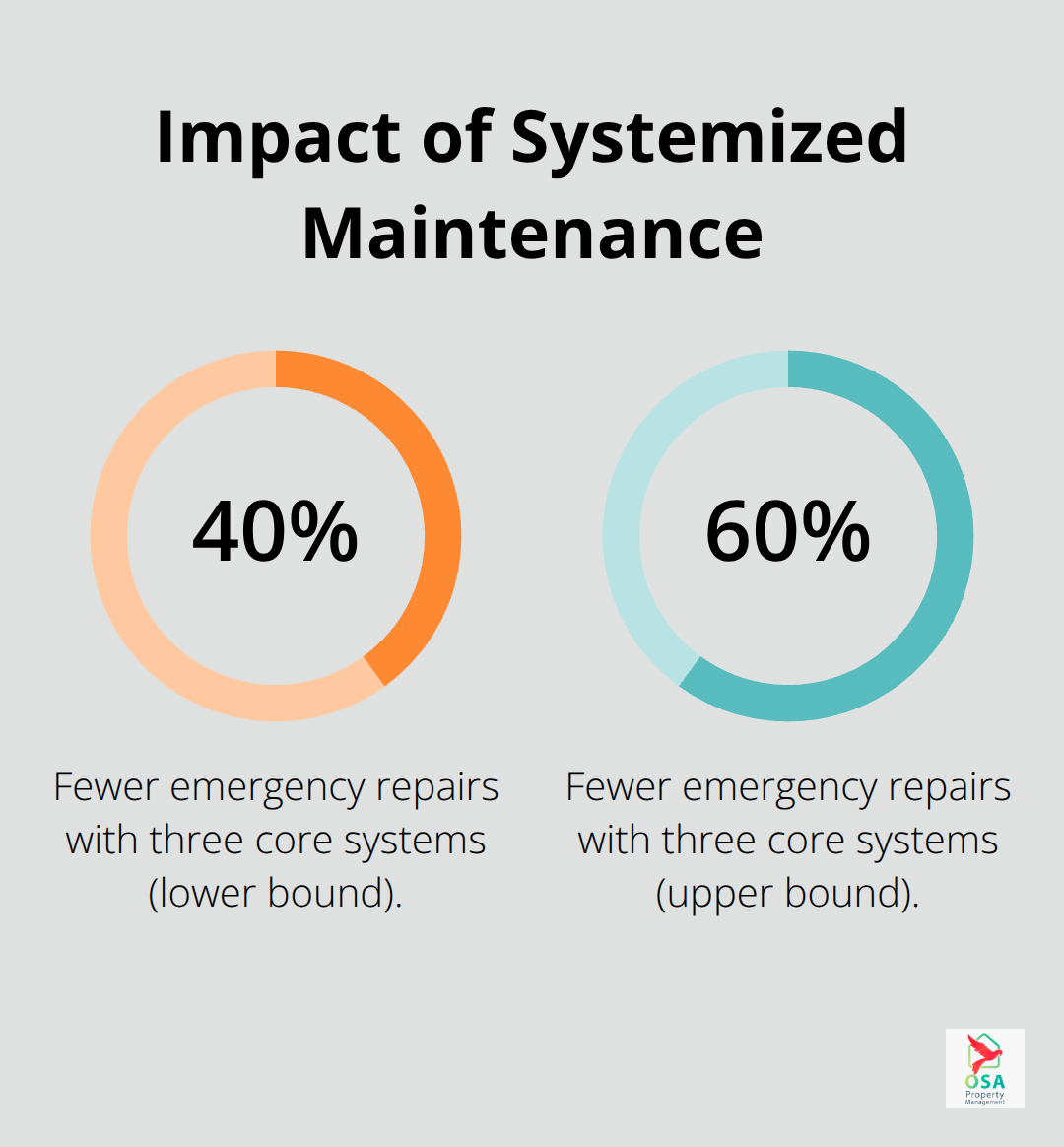
Scheduling maintenance on paper or in your head fails in Costa Rica because tropical damage accelerates too fast and seasonal shifts demand different priorities each month. Property owners who implement three core systems-scheduling automation, vetted contractor relationships, and cost documentation-reduce emergency repairs by 40 to 60 percent compared to reactive management. The system matters more than the tools themselves, but the right tools make the system actually work when you manage from abroad.
Automation Tools That Track Tasks Across Seasons
Property management software designed for vacation rentals handles scheduling far better than generic calendar apps. These platforms send automatic reminders for monthly tasks, track when contractors complete work, flag upcoming seasonal priorities, and store photos and inspection notes in one searchable location. Systems like Breezeway or AppFolio let you set recurring tasks for pool maintenance every two weeks, HVAC inspections quarterly, and roof checks before hurricane season so nothing falls through gaps between your attention spans. The software stores contractor contact information, payment terms, and past service records so you never waste time hunting for a plumber’s phone number during an emergency.
Costa Rica-based property managers increasingly use cloud-based platforms because they allow remote teams to update task status in real time, which matters when your property sits 2,000 miles away and you need to know whether that roof inspection actually happened. Monthly maintenance costs $1,200 to $2,050 for mid-range vacation homes, and software tracking prevents overpaying contractors by showing exactly which services were completed and when. Set up recurring reminders for the 15th of each month for indoor checks and the 1st for outdoor inspections so the rhythm becomes automatic rather than something you have to remember.
Building a Vetted Contractor Network
Local contractor networks matter more than finding the cheapest vendor because a contractor who understands tropical climate damage and speaks Spanish fluently prevents miscommunication that leads to botched repairs and wasted money. Vet contractors through official channels and verify credentials before adding them to your roster because unreliable vendors create scheduling gaps that allow damage to compound. Ask potential contractors whether they have experience with your specific property type-beachfront homes need specialists in salt spray corrosion, mountain properties require different drainage solutions, and jungle properties demand expertise in termite prevention that differs from coastal approaches.
Request references from other property owners in your area and contact them directly to confirm response times and quality. Document every quote you receive with the scope of work clearly defined, pricing breakdown, materials included, and timeline so you eliminate disputes later. Payment terms in Costa Rica typically include 13 percent VAT, so factor this into your budget when comparing quotes. Create a spreadsheet tracking vendor names, phone numbers, specialties, hourly rates or project fees, and performance history so you spend five minutes finding the right contractor instead of 45 minutes calling around during an emergency. Bilingual property managers improve communication with local contractors significantly because instructions about water pressure testing or mold prevention lose meaning in translation, and miscommunication costs time and money.
Documentation Systems for Cost Control and Insurance Protection
Documentation systems that track costs, completion dates, and contractor performance transform maintenance from expense chaos into predictable budgeting. Photograph every inspection result and maintenance task completion because insurance companies require proof of preventive care when you file claims for storm or water damage. Store digital copies in cloud storage like Google Drive or Dropbox so you access records from anywhere and never lose critical information if your local hard drive fails.
Maintain a simple spreadsheet listing each maintenance task, completion date, contractor name, cost paid, and notes about findings so you spot patterns-if your pool pump needs repair twice yearly, upgrading to a newer model might save money long-term compared to perpetual repairs. Track utility bills monthly and flag unusual spikes because a significant jump in electricity use might indicate a failing air conditioning compressor that needs replacement before it fails completely. This data also helps you plan capital improvements-if cooling costs exceed $200 monthly during dry season, solar panels might reduce bills and increase property value simultaneously.
Set aside 1.5 to 3 percent of your property value annually for maintenance reserves so $15,000 to $25,000 sits available for unexpected repairs rather than forcing emergency borrowing when a roof leak requires $8,000 in repairs. Properties with complete maintenance documentation command higher resale prices because buyers trust the property has been properly maintained and won’t face hidden structural problems within months of purchase.
Final Thoughts
A structured maintenance scheduling system in Costa Rica transforms property ownership from constant firefighting into predictable, manageable upkeep. Properties with documented maintenance calendars generate 15 to 25 percent higher rental income because guests trust they won’t encounter broken air conditioning, leaking roofs, or mold during their stay. Preventive maintenance cuts emergency repair costs by 40 to 60 percent compared to reactive management, meaning the $1,200 to $2,050 monthly investment in routine tasks prevents $15,000 to $40,000 catastrophic repairs that destroy your cash flow and property value simultaneously.
The financial case for maintenance scheduling in Costa Rica proves straightforward. Annual upkeep costs run 1.5 to 3 percent of property value, but skipping preventive care forces you to absorb emergency expenses that exceed this amount within months. A roof inspection costs $300 to $500 and prevents $8,000 to $15,000 water damage repairs, while monthly pool maintenance at $150 to $400 keeps your property guest-ready and protects against dengue-carrying mosquitoes that breed in stagnant water.
Professional property management reduces long-term costs by handling contractor relationships, documentation, and seasonal adjustments that most remote owners cannot manage from abroad. Start your maintenance strategy by selecting one system for task automation, building relationships with three to five vetted contractors, and committing to monthly documentation. Contact Osa Property Management to discuss how professional management transforms your property into a revenue-generating asset that requires minimal attention from you while delivering consistent returns and peace of mind.