
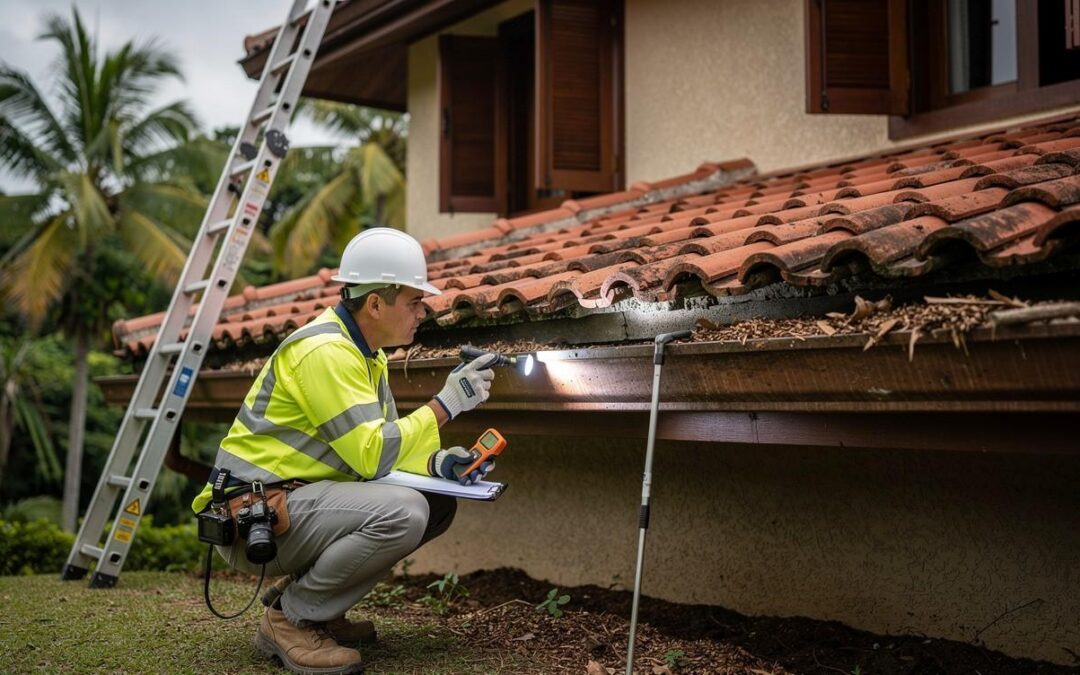
Property inspections in Costa Rica aren't optional-they're essential. The tropical climate, seasonal rains, and unique regional challenges mean your investment faces threats most property owners don't anticipate.
At Osa Property Management, we've seen firsthand how regular inspections catch problems before they become expensive disasters. A few hours of inspection work today prevents tens of thousands in repairs tomorrow.
Why Costa Rica's Climate Demands Regular Inspections
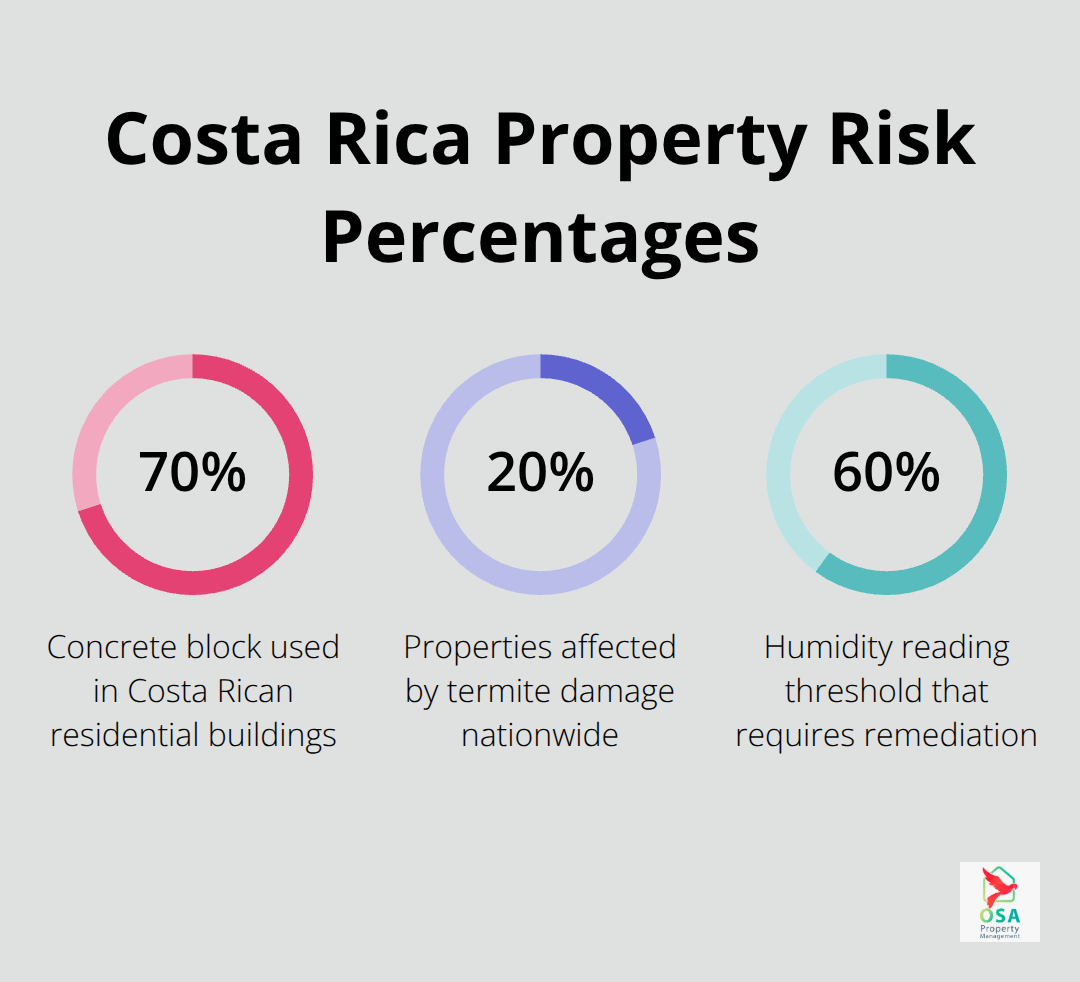
Costa Rica's tropical environment is relentless. The tropical climate accelerates structural damage in Costa Rica, with a mean annual temperature of 24.9°C combined with rainfall from May to November creating conditions where concrete deteriorates faster and metal components corrode rapidly. Concrete block, used in roughly 70% of Costa Rican residential buildings according to research, absorbs moisture and develops cracks during heavy rains. Coastal properties face salt-air corrosion that degrades electrical systems and metal components far faster than inland homes.
Properties deteriorate rapidly when owners skip inspections. Electrical panels corrode beyond safety standards, roofing fasteners rust through, and foundational water infiltration spreads unchecked. A twice-yearly inspection schedule catches problems at roughly 10–20% damage, while annual inspections often miss issues until they reach 50–70% damage, leading to repair bills well over $15,000. One inspection caught a poorly mixed concrete batch in Jaco that could have cost a buyer $75,000 in future repairs. These aren't hypothetical scenarios-they happen regularly in the southern Pacific zone.
When Early Detection Prevents Financial Disaster
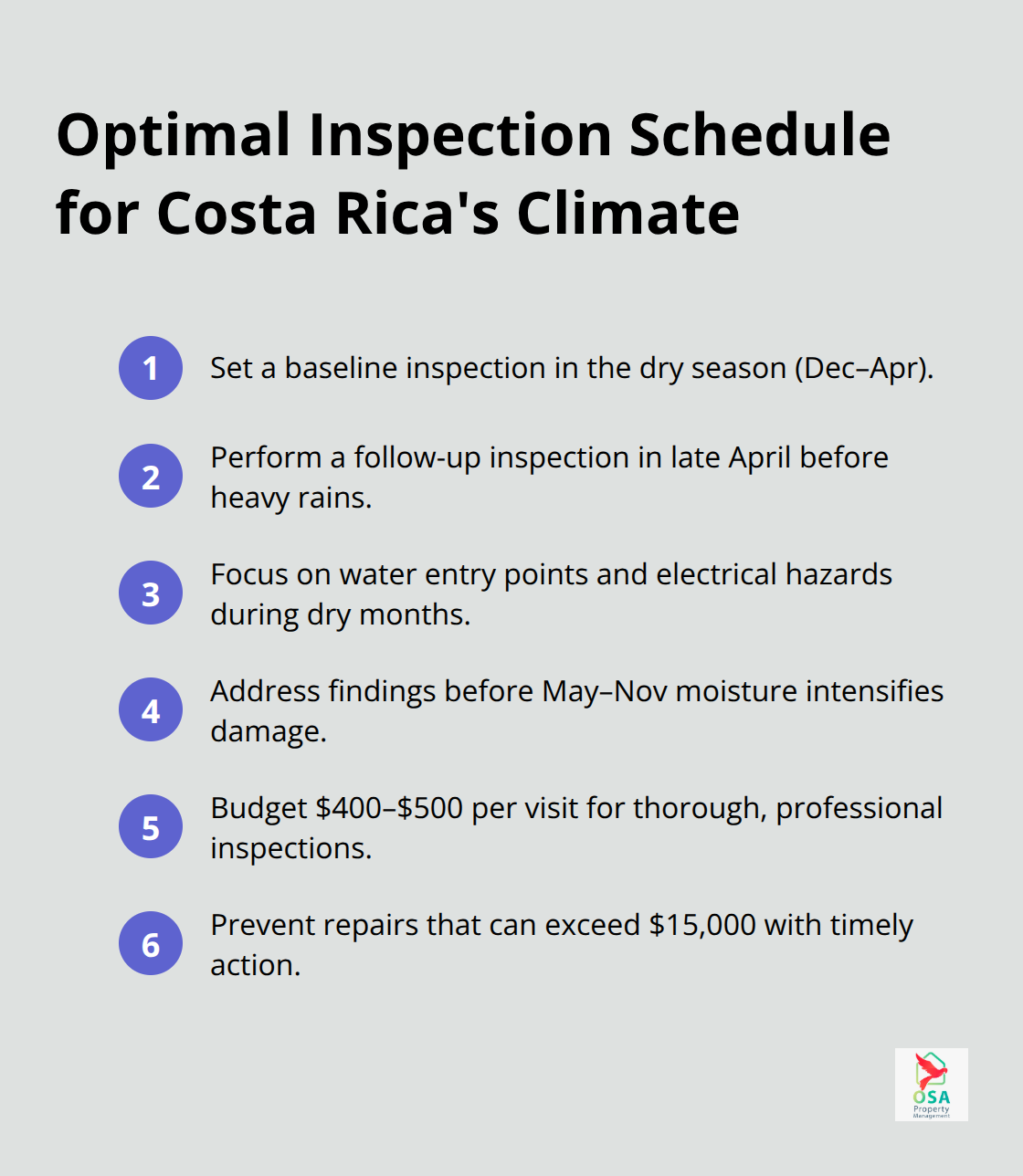
The math is straightforward. A $400–$500 inspection and early intervention prevents most catastrophic costs. Termite damage affects approximately 20% of properties in Costa Rica, with repairs ranging from $1,000 to $10,000, averaging around $3,000. Poor drainage caused foundation issues in Manuel Antonio that exceeded $30,000 in repairs, while direct sun exposure degraded PVC plumbing in the Uvita area with replacement costs surpassing $10,000.
High humidity and mold risk trigger renovations costing over $15,000, as documented in cases across Dominical. Moisture meters detect hidden water damage at 10–20% penetration, catching problems before they spread to structural elements or trigger insurance claim denials. Electrical systems in older homes often lack proper grounding, requiring panel replacement or rewiring at $2,000–$8,000. A licensed electrician charges roughly $150–$300 per inspection visit and identifies hazards that could affect financing or insurance eligibility.
How Deferred Maintenance Erodes Your Returns
Your property investment loses value when deferred maintenance accumulates. Rental platforms like Airbnb penalize listings with poor condition ratings, directly reducing your earning potential. Well-maintained properties command higher rental rates and retain value far better than neglected ones. This reality makes regular inspections not an expense but a revenue-protection strategy.
The next section covers the specific issues inspectors find most often across the region and what each one means for your wallet.
What Problems Do Inspectors Actually Find
Water damage stands as the most common inspection finding across Costa Rica, appearing in active form during the wet season and as dried staining during dry months. Moisture meters detect hidden water infiltration at 10–20% damage levels, catching problems before they compromise foundations or trigger insurance denials. Coastal properties require quarterly roof inspections due to salt air accelerating corrosion of metal roofing and fasteners; rust indicates imminent failure and demands immediate attention. Interior moisture and mold growth-ceiling stains, peeling paint, and soft wood behind walls-signal deeper water intrusion that specialists must address. Humidity readings above 60% require remediation to prevent structural rot. Clogged gutters and improper grading that directs water toward foundations accelerate saturation, with poor drainage documented as the cause of foundation repairs exceeding $30,000 in Manuel Antonio.
Termite Activity and Wood-Eating Insects
Termites affect roughly 20% of Costa Rican properties and operate year-round. Inspectors look for mud tubes on foundation walls and hollow-sounding wood as early warning signs; these indicators allow intervention before infestations spread to structural elements. Early detection prevents catastrophic damage that compounds repair expenses and structural compromise.
Electrical System Failures
Electrical systems deteriorate faster in humid coastal environments, with corroded connections and fire hazards requiring licensed electrician verification of panels, wiring, and outlet polarity. Older homes often lack proper grounding, necessitating panel replacement or rewiring at $2,000–$8,000. A licensed electrician visit costs roughly $150–$300 and identifies hazards affecting financing eligibility and insurance coverage. These inspections reveal safety risks that standard visual assessments miss entirely.
Plumbing and Water Supply Problems
Plumbing failures stem from humidity and salt exposure, with sewer and septic lines failing due to local installation practices; camera inspections reveal blockages and structural damage, while line replacement runs $3,000–$6,000. Direct sun exposure degrades PVC plumbing, with replacement costs surpassing $10,000 in areas like Uvita. Undersized water supply systems and improper septic P-trap venting compound these issues, requiring specialized assessment during inspections. These plumbing problems often remain hidden until they cause foundation damage or contamination issues that trigger expensive remediation work.
How to Schedule and Execute Inspections That Actually Work
Timing your inspections around Costa Rica's climate patterns determines whether you catch problems early or face catastrophic repair bills. Schedule your first inspection during the dry season, roughly December through April, when dried water stains become visible and electrical hazards are easier to assess. This baseline inspection establishes your property's condition before the May-through-November wet season arrives with its relentless moisture infiltration. Schedule a second inspection in late April, just before heavy rains begin, to address any findings before water damage accelerates.
Selecting an Inspector With Real Regional Experience
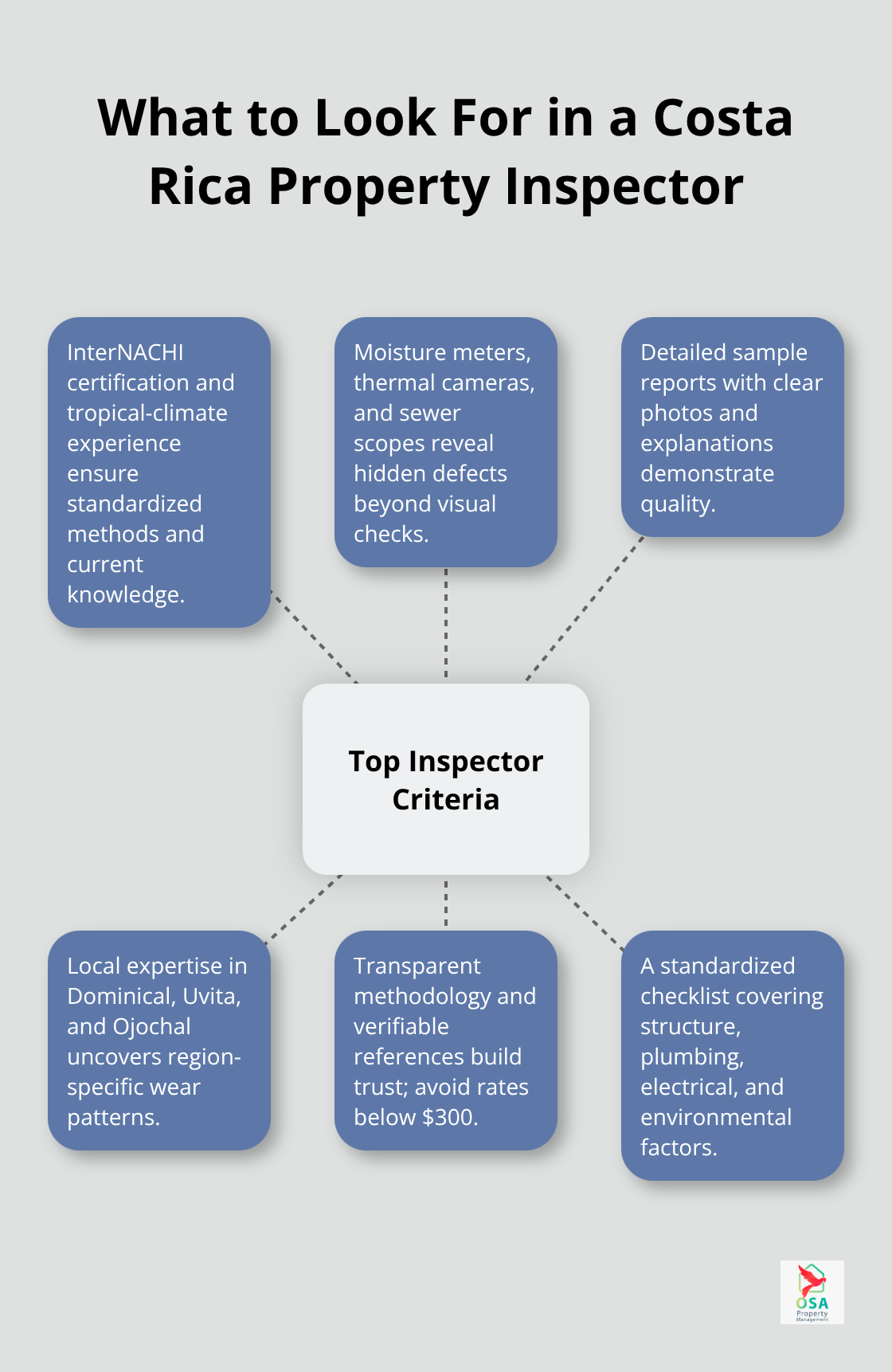
Finding the right inspector matters far more than saving a few hundred colones on inspection fees. InterNACHI-certified inspectors with tropical-climate experience bring standardized assessment practices and ensure their knowledge stays current with emerging regional problems. Ask potential inspectors whether they use moisture meters, thermal imaging cameras, and sewer scopes-tools that reveal hidden defects that visual assessments alone miss entirely.
Request sample reports from at least three candidates and compare their detail level, photographic documentation, and clarity of explanations. Red flags include unusually low rates below $300, inspectors without verifiable references, and those unwilling to discuss their methodology. Local inspectors familiar with specific regions like Dominical, Uvita, or Ojochal understand climate-specific wear patterns and construction practices that outside inspectors overlook.
Vetting Inspector Qualifications and Tools
Interview your inspector about their experience with concrete block deterioration, salt-air corrosion in coastal zones, and septic system failures-the problems that dominate this region. Inspectors who can articulate how Costa Rica's humidity affects electrical systems and explain the regional prevalence of termite activity demonstrate the knowledge you need. Ask how they approach moisture detection and whether they follow a standardized checklist that covers structural integrity, plumbing, electrical systems, and environmental factors specific to tropical properties.
Creating an Action Plan From Inspection Findings
Once you hire your inspector, establish a written action plan that documents each finding's location, severity, cause, and recommended next steps. Categorize issues into major defects requiring immediate attention and minor maintenance items, then obtain repair quotes from licensed specialists before the inspection report sits unused. This documented approach provides negotiating leverage during purchase due diligence and creates a maintenance roadmap that protects your investment for years ahead. Licensed specialists (electricians at $150–$300 per visit, plumbers for camera inspections, and structural assessors) add targeted value by confirming findings and providing cost estimates that inform your repair decisions.
Final Thoughts
The $400–$500 you invest in a property inspection today prevents repair bills exceeding $15,000 when water damage, termite infestations, or electrical failures spread unchecked. Property inspections in Costa Rica reveal problems that visual assessments miss entirely, and documented inspection histories help properties command higher rental rates and retain value. We at Osa Property Management have witnessed this pattern repeatedly across Jaco, Manuel Antonio, Dominical, Uvita, and Ojochal.
Your investment requires professional oversight that understands concrete block deterioration, salt-air corrosion, termite activity, and the relentless moisture that defines this climate. We work with InterNACHI-certified inspectors throughout our service areas and translate inspection reports into actionable maintenance plans that preserve property condition and rental appeal. Our team manages properties across the southern Pacific zone with over 20 years of regional experience, coordinating repairs with trusted local contractors who respond quickly to inspection findings.
Contact Osa Property Management to schedule inspections, coordinate repairs, and implement the maintenance discipline that separates successful investments from costly disasters. We handle the details so you protect your asset and maximize your return on investment.
To be contacted by an Osa Property Management representative and to learn more about our services, please send an email to info@osapropertymanagement.com or send a WhatsApp message to +17633068981 or +50671001006 / Para que un representante de Osa Property Management se ponga en contacto con usted y obtener más información sobre nuestros servicios, por favor envíe un correo electrónico a info@osapropertymanagement.com o un mensaje de WhatsApp al +17633068981 o al +50671001006.
Vacation rentals: https://costaricalasvillas.com