
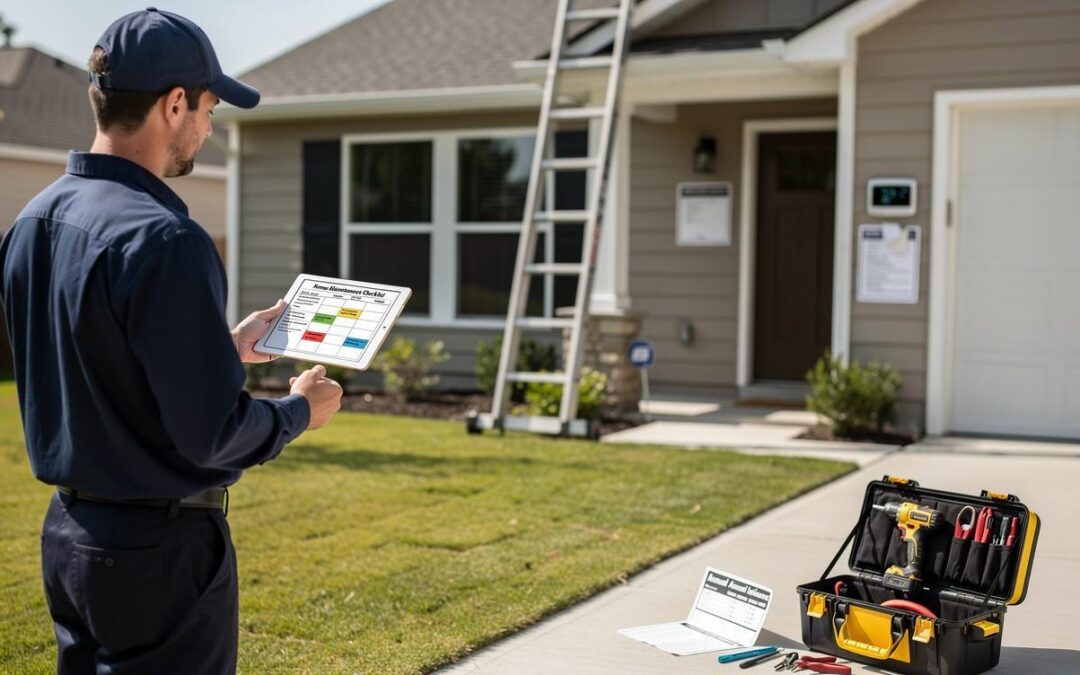
Costa Rica's tropical climate works fast-it damages roofs, corrodes pipes, and spreads mold quicker than most property owners expect. Maintenance scheduling in Costa Rica isn't optional if you want to protect your investment and keep your home safe.
At Osa Property Management, we've seen what happens when homeowners skip regular upkeep. The costs of emergency repairs far exceed what preventive maintenance would have cost.
Why Maintenance Matters in Costa Rica's Climate
Humidity and Rainfall Accelerate Structural Damage
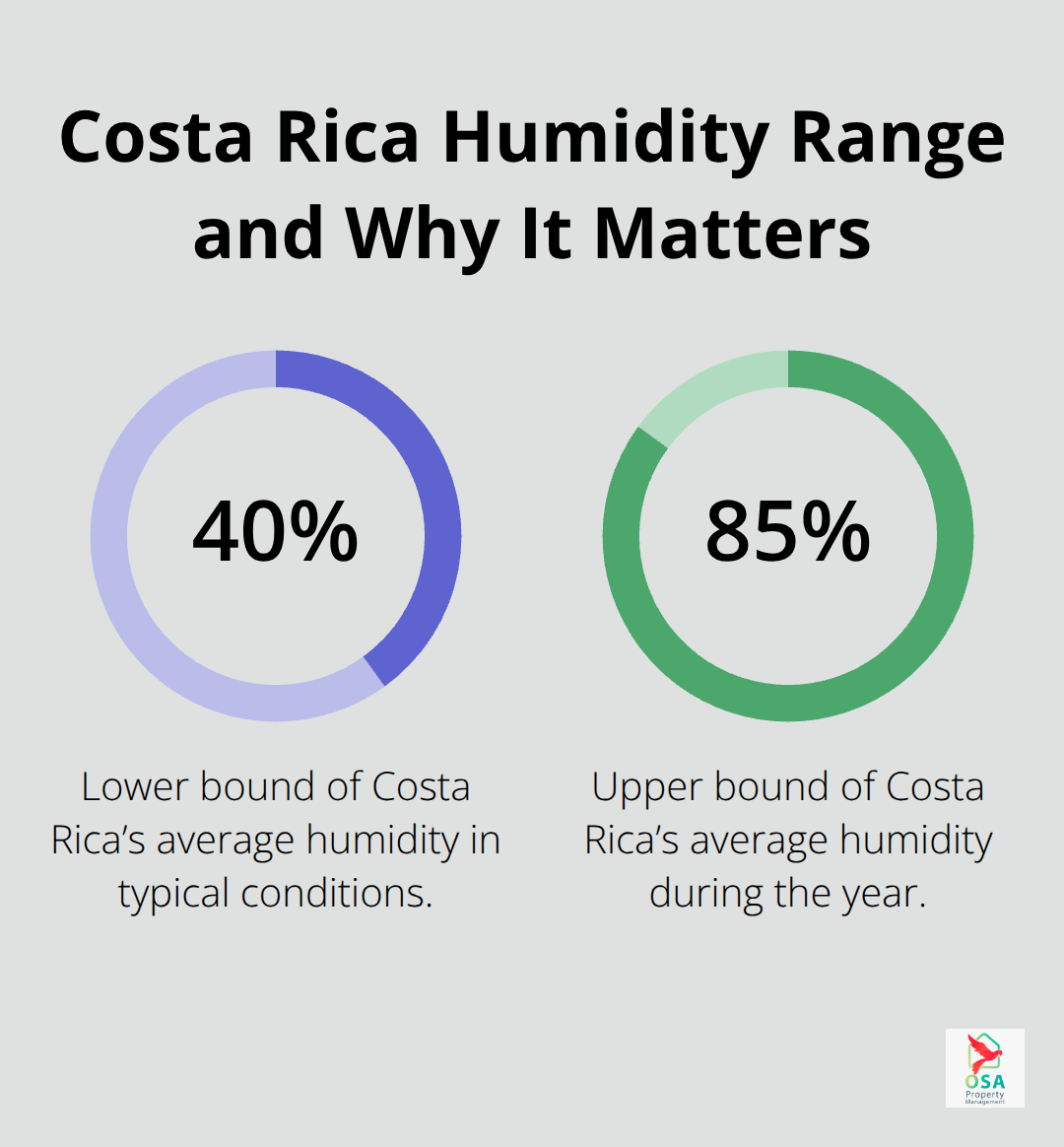
Costa Rica's humidity averages around 40 to 85%, and the rainy season stretches eight months from May through November. This combination accelerates damage at a pace that catches most property owners off guard.
Termites and Pests Threaten Structural Integrity
Termite damage represents a concrete threat specific to Costa Rica. The Termite Research Group at the University of Costa Rica estimates termites cause millions of dollars in structural damage across the country annually, yet monthly pest inspections at $50 to $100 catch infestations before they reach the walls. Property owners who skip these inspections often discover termite colonies only after visible damage appears in wooden beams and floor joists-at which point structural repairs can exceed $10,000.
Property Value Depends on Maintenance Consistency
Property value in Costa Rica depends directly on maintenance consistency. A $300,000 home requires roughly $3,000 to $9,000 in annual maintenance spending (between 1% and 3% of property value) to hold its market position. Skip this investment for three years and you're looking at $30,000 to $50,000 in catch-up repairs plus depreciation that erodes resale value far beyond the repair costs themselves. Coastal properties demand exterior repainting every 18 months due to salt-air corrosion at $2,000 to $5,000 per cycle, while inland properties can stretch to four or five years. Neglecting this schedule means fasteners rust, sealants fail, and water penetrates concrete.
Safety Hazards from Deferred Maintenance
Safety risks compound the financial argument. Electrical systems in humid environments deteriorate silently-overloaded circuits, corroded wiring, and moisture damage create fire hazards that insurance won't cover if inspections show negligence. Plumbing mineral buildup and hidden leaks behind walls cause structural rot that destabilizes floors and foundations. Mold spores from persistent dampness trigger respiratory problems, especially for children and elderly occupants. The difference between a maintained property and a neglected one isn't aesthetic; it's the difference between a safe home and a liability.
Moving Forward with a Structured Approach
Understanding these risks transforms maintenance from an afterthought into a strategic priority. The next section outlines how to build a year-round maintenance calendar that addresses Costa Rica's specific climate challenges and protects both your investment and your family's wellbeing.
Building Your Maintenance Calendar Around Costa Rica's Seasons
Costa Rica's climate doesn't follow a standard maintenance rhythm. The rainy season from May to October demands completely different priorities than the dry season from December through April, and property owners who ignore this reality end up paying for emergency repairs instead of planning ahead.
Establish a Dual-Calendar System for Year-Round Protection
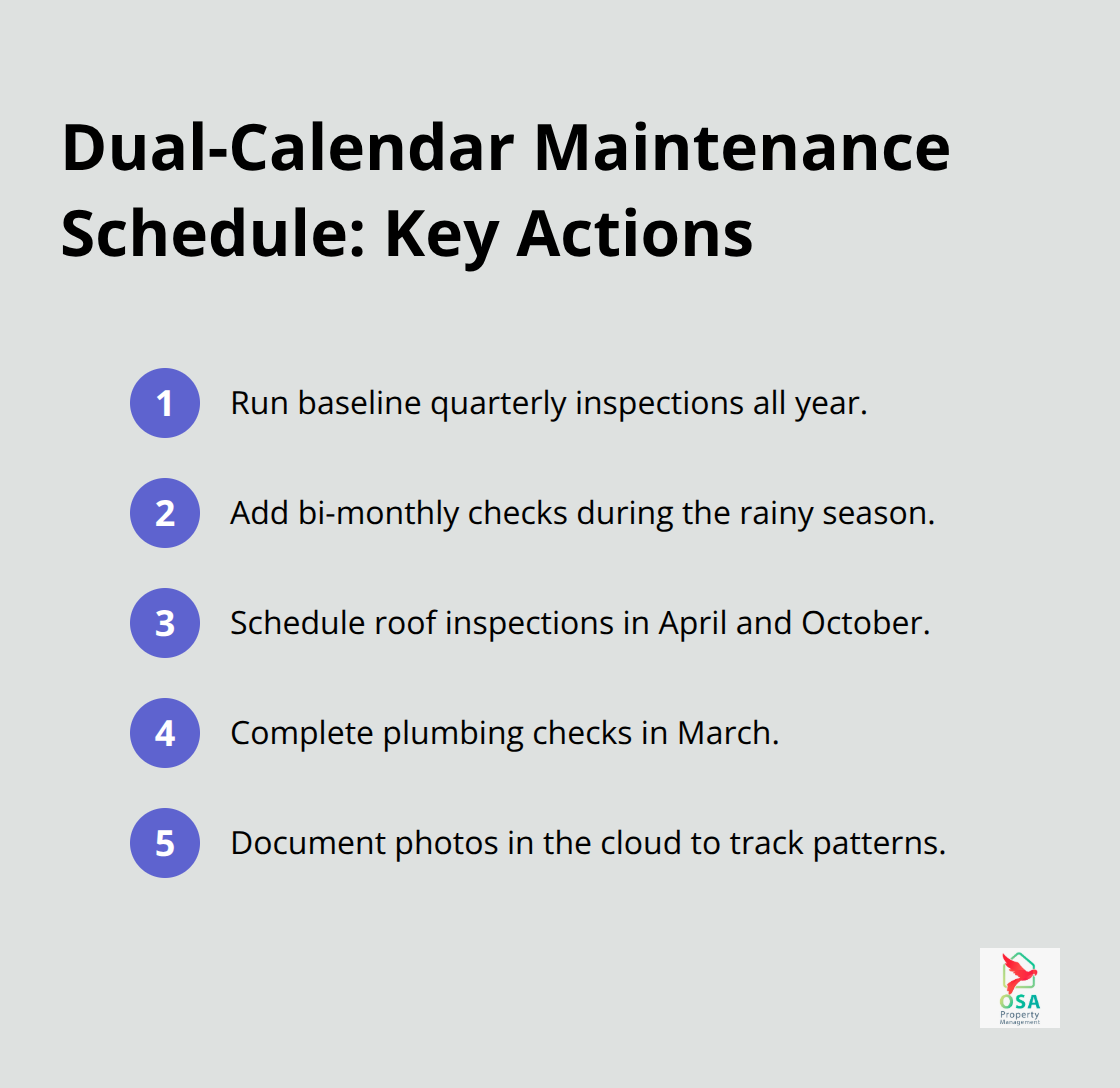
We at Osa Property Management recommend starting with a dual-calendar system: baseline quarterly inspections year-round, plus bi-monthly checks specifically during the rainy season when water damage accelerates. Schedule your roof inspections in April, right before the heavy rains hit, and again in October to catch mid-season damage. Plumbing checks should happen in March before the rainy season stresses drainage systems. Document everything with photos in a cloud system so you can track patterns and catch recurring issues before they escalate.
Adjust Tasks Based on Seasonal Demands
Gutter cleaning becomes a weekly task from May through November instead of monthly, because debris blockage during storms causes water to overflow and saturate foundations within days. Pest control remains monthly year-round at $50 to $100 per visit, but coastal properties need exterior repainting every 18 months rather than the four to five years inland homes can stretch, adding $2,000 to $5,000 to your annual budget. The dry season is your window for major exterior work like UV-protective painting and structural repairs that cannot wait for better weather.
Hire CFIA-licensed professionals Only
Finding reliable contractors in Costa Rica requires more than a quick online search. Hire only CFIA-licensed professionals who can verify current licensure through the CFIA platform, carry workers' compensation insurance, and provide itemized invoices before work starts. Obtain three quotes from different contractors for any significant project and check references with previous property owners rather than trusting testimonials alone. Long-term contracts with trusted vendors often secure discounts of 10 to 15% compared to one-off jobs, making consistency financially smarter than shopping around each time something breaks.
Navigate Language and Communication Barriers
Language barriers complicate maintenance communication, so consider working with bilingual professionals who can navigate both technical specifications and permit requirements without confusion. This approach prevents costly misunderstandings and ensures contractors understand exactly what work needs completion. Osa Property Management has built relationships with qualified local contractors across Tarcoles, Jaco, Dominical, Manuel Antonio, Ojochal, Uvita, and Golfito over more than 20 years in the region, streamlining inspections, contractor coordination, and emergency response for property owners who prefer to hand off this complexity entirely.
With your maintenance calendar in place and trusted contractors identified, the next step involves addressing the specific maintenance issues that plague Costa Rican properties most frequently-starting with the water damage and mold problems that emerge when seasonal rains arrive.
What Causes Water Damage in Costa Rican Homes and How to Stop It
Roof Failures Cost Thousands When Inspections Arrive Too Late
Roof failures and water intrusion represent the most expensive maintenance problems across Costa Rica, and they happen faster than property owners anticipate. The rainy season's eight-month duration combined with coastal salt air and inland humidity creates perfect conditions for fastener corrosion, tile displacement, and sealant breakdown. A roof inspection costs $150 to $300 in April before the rains arrive, yet a single missed leak costs $20,000 to repair once water penetrates interior walls and structural framing. Schedule inspections in both April and October because mid-season storms damage tiles and seams that looked intact just weeks earlier. Check gutters weekly during May through November rather than monthly, since debris blockage during heavy downpours causes water to overflow and saturate foundations within days. Install gutter guards to reduce cleaning frequency, but understand they don't eliminate the need for inspections.
Coastal properties require more aggressive intervention than inland homes: inspect roofs every six months instead of annually because salt air accelerates corrosion of metal fasteners and seam integrity. Use stainless steel fasteners and marine-grade sealants rated for salt environments, and plan exterior repainting every 18 months at $2,000 to $5,000 rather than the four to five year cycles inland properties can sustain. Metal roofs need rust treatment and protective coatings applied during the dry season when weather permits proper curing. Before the rainy season begins, apply waterproof sealant to all roof joints and penetrations, and replace any damaged tiles immediately rather than deferring repairs until visible leaks appear inside the home.
Mold and Humidity Colonize Spaces Within Weeks
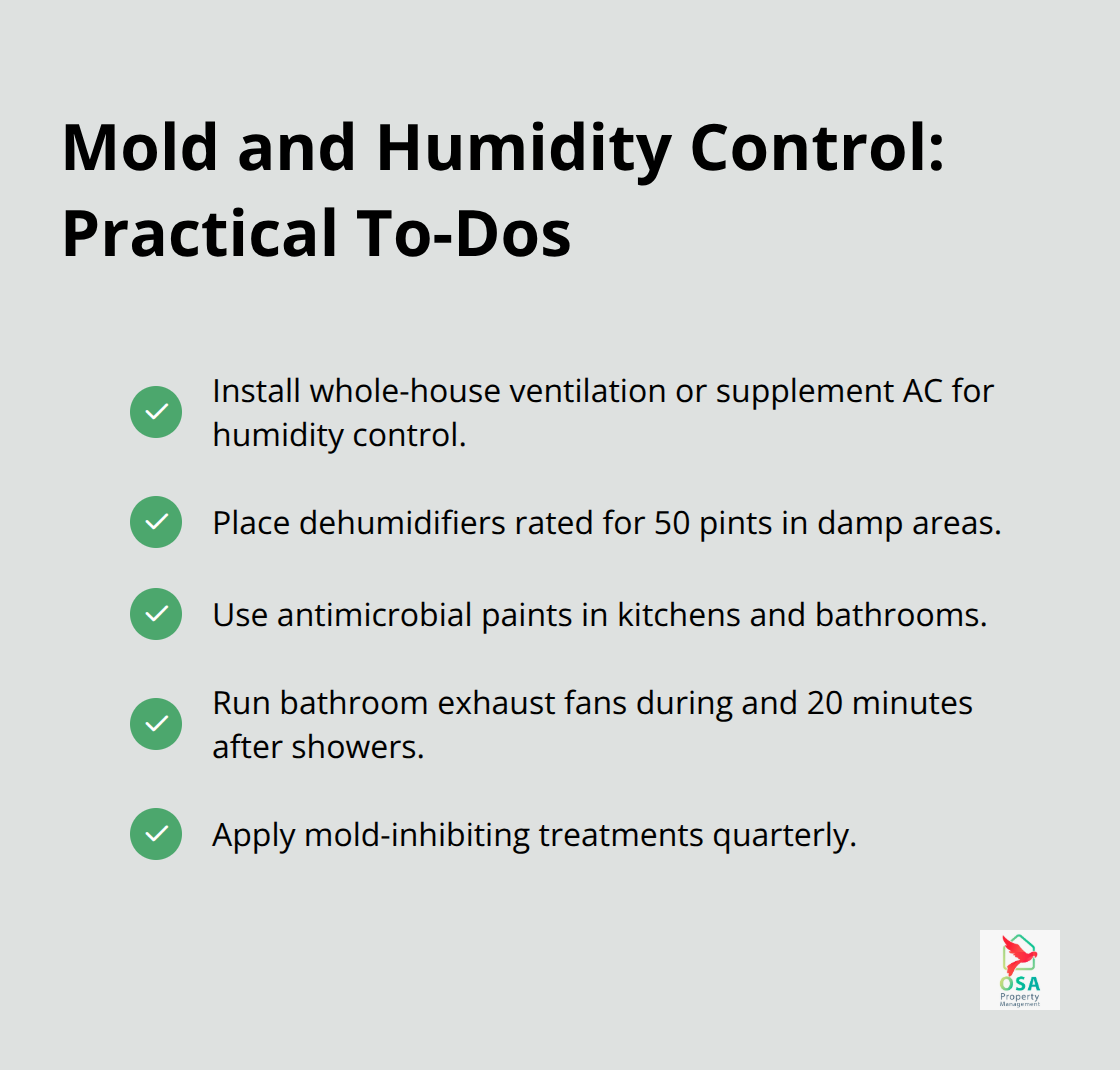
Costa Rica's year-round 80% humidity creates conditions where mold colonizes bathrooms, closets, and hidden wall cavities within weeks if moisture isn't actively managed. Whole-house ventilation systems reduce indoor humidity by up to 50% when properly installed and maintained, making this investment worthwhile for properties without air conditioning or for supplementing AC systems. Install dehumidifiers rated for 50 pints of daily water extraction in damp areas, and use moisture absorbers in closets and enclosed spaces to prevent mold spore development.
Coastal properties face accelerated mold growth due to salt spray and moisture-laden air, so use antimicrobial paints in bathrooms and kitchens, apply mold-inhibiting treatments quarterly, and ensure bathroom exhaust fans run during and for 20 minutes after showers. These measures work together to combat the persistent dampness that tropical climates produce.
Plumbing and Electrical Systems Deteriorate Silently in Salt Air
Plumbing systems in coastal areas corrode faster than inland installations because salt air accelerates rust formation in metal pipes and fasteners. Schedule annual plumbing inspections in March before the rainy season stresses drainage systems, and hire a licensed plumber to assess mineral buildup, hidden leaks behind walls, and drainage effectiveness. Install low-flow faucets and toilets to reduce water pressure stress on aging pipes, and ensure drainage systems direct water away from foundations to prevent erosion and flooding.
Electrical systems deteriorate silently in humid environments, making professional inspections non-negotiable: overloaded circuits, corroded wiring, and moisture damage create fire hazards that insurance won't cover if inspections reveal neglect. Hire a licensed electrician to check for exposed wires, damaged outlets, and circuit overload at least annually, and install residual-current devices and proper fuses to reduce short-circuit and fire risk. Seal openings around windows and doors with weatherstripping or silicone caulk to prevent water infiltration during heavy rains, and inspect these seals quarterly since tropical sun and moisture degrade materials faster than temperate climates allow.
Final Thoughts
Maintenance scheduling in Costa Rica protects your investment far more effectively than absorbing emergency repairs that drain $20,000 or more when roofs fail or plumbing systems corrode. Spending $3,000 to $9,000 annually on preventive maintenance stops $30,000 to $50,000 in catch-up repairs plus depreciation, and roof inspections at $150 to $300 prevent $20,000 repairs while monthly pest control at $50 to $100 stops termite damage exceeding $10,000. Proactive maintenance also protects your family's safety-electrical systems deteriorate silently in humid environments, mold colonizes spaces within weeks, and structural rot from hidden leaks destabilizes floors and foundations.
We at Osa Property Management coordinate inspections, vet contractors, and track maintenance schedules across Tarcoles, Jaco, Dominical, Manuel Antonio, Ojochal, Uvita, and Golfito for over 20 years. Language barriers, permit requirements, and vendor relationships create complexity that property owners often struggle to navigate alone, so professional management handles this burden and delivers consistent upkeep. Professional property management maximizes your property's value and rental income while you focus on what matters most.
To be contacted by an Osa Property Management representative and to learn more about our services, please send an email to info@osapropertymanagement.com or send a WhatsApp message to +17633068981 or +50671001006 / Para que un representante de Osa Property Management se ponga en contacto con usted y obtener más información sobre nuestros servicios, por favor envíe un correo electrónico a info@osapropertymanagement.com o un mensaje de WhatsApp al +17633068981 o al +50671001006.
Vacation rentals: https://costaricalasvillas.com