
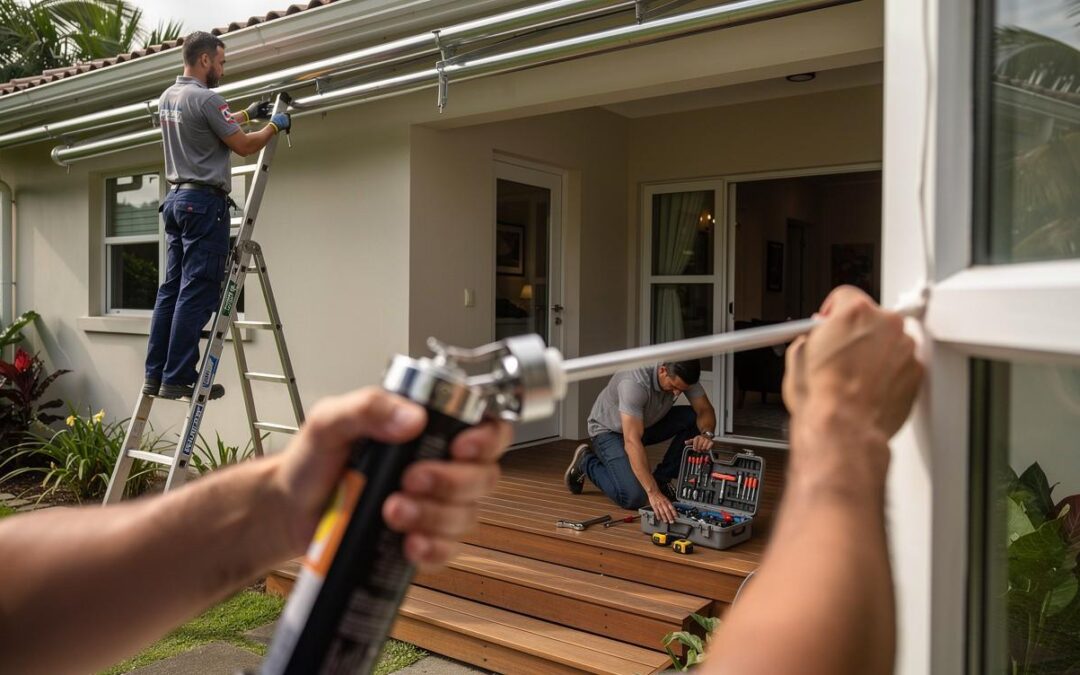
Owning a home in Costa Rica comes with unique challenges that mainland properties simply don't face. The tropical climate, salt air, and intense rainfall create conditions that demand specific maintenance strategies.
At Osa Property Management, we've helped countless homeowners protect their investments through proper upkeep. This guide covers the essential tasks that keep your Costa Rican home in top condition year-round.
Understanding Costa Rica's Climate and Its Impact on Your Home
Costa Rica's tropical environment creates a perfect storm of moisture, salt exposure, and intense rainfall that attacks your home from every angle. The country experiences roughly 80% humidity year-round, which means water doesn't just fall from the sky-it saturates the air itself. This constant moisture penetration causes homes here to deteriorate faster than properties in temperate climates. Humidity drives mold growth, corrodes metal fasteners, and weakens wooden structures within months if left unchecked. The rainy season stretches up to eight months annually and accounts for the majority of structural problems homeowners face. A single missed roof inspection during this period can transform a minor leak into thousands of dollars in water damage.
Humidity and Moisture Damage
Coastal properties face an additional enemy: salt air corrosion degrades exterior paint, fasteners, and any unprotected metal components. Properties near the ocean need repainting every 2–3 years at a cost of $2,000–$5,000, while inland homes can stretch to 4–5 years between jobs. Using marine-grade stainless steel fasteners and salt-exposure-rated sealants becomes non-negotiable for coastal owners rather than optional upgrades.
Preventing Water Damage Before It Starts
Your roof and gutters form the first line of defense, yet homeowners often neglect them until leaks appear inside. Schedule bi-annual roof inspections in April (before rainy season) and October (mid-season) to catch small problems before they become catastrophic. These inspections cost $150–$300 each and typically pay for themselves by preventing water damage repairs exceeding $20,000. Gutters must handle tropical downpours and require quarterly cleaning to prevent overflow damage to foundations. Mineral-rich water deposits scale inside pipes and cause corrosion, so schedule annual licensed plumbing checks to flush buildup and inspect valves. Install water-leak sensors at $50–$100 each in kitchens, bathrooms, and under sinks for early detection of hidden leaks that could lead to mold remediation costs exceeding $3,000. Septic systems need pumping every 2–3 years at $300–$500 to avoid expensive drain-field failures. Proper waterproofing investments of $5,000–$10,000 prevent far costlier repairs down the line.
Protecting Metal and Wood from Decay
Coastal properties require metal roof inspections every six months because salt air accelerates fastener and seam corrosion at a rate that inland properties never experience. Termites and wood-boring insects thrive in this warm, humid climate and can compromise structural integrity if monthly pest-control inspections at $50–$100 go overlooked. Seal cracks with silicone caulk or steel wool to block pest entry points, and specify termite-resistant woods like teak or melina when repairs are needed. Voltage fluctuations in rural areas can harm appliances, making periodic electrical system inspections and whole-home surge protection worthwhile investments.
Building Your Maintenance Foundation
The core maintenance pillars-roof drainage, plumbing integrity, and pest suppression-require coordination through a structured maintenance calendar rather than sporadic attention. This foundation prepares you to tackle the specific maintenance tasks that protect your investment year-round.
The Three Pillars of Costa Rican Home Maintenance
Your roof, plumbing, and pest control form interconnected systems that fail together when neglected. Water damage from a failing roof cascades into plumbing problems and creates the humid conditions pests exploit. Protecting all three simultaneously costs far less than repairing them separately after failure strikes.
Roof Inspections Stop Water Damage Before It Spreads
Bi-annual inspections in April and October cost $150–$300 each, but skipping them costs thousands in water damage, mold remediation exceeding $3,000, and structural rot. During these inspections, verify that gutters handle tropical downpours without overflow, check metal fasteners on coastal roofs for salt-air corrosion, and confirm flashing seals remain intact around chimneys and vents. Metal roofs within two miles of the ocean require inspections every six months instead of twice yearly because salt air accelerates fastener degradation at rates that surprise inland homeowners. This aggressive schedule prevents rust from spreading through seams and fasteners before you notice visible damage.
Plumbing Systems Need Annual Professional Attention
Schedule licensed plumbing checks in March before the rainy season stresses drainage systems. Costa Rica's mineral-rich water deposits scale inside pipes and corrode valves from the inside out, so flushing buildup annually prevents expensive failures. Install water-leak sensors at $50–$100 each under sinks, in kitchens, and behind toilets to catch hidden leaks before they reach walls where mold remediation costs spike above $3,000. Septic systems require pumping every 2–3 years at $300–$500; delaying this single task leads to drain-field failures costing $10,000 or more to repair.
Monthly Pest Control Prevents Structural Compromise
Pest control isn't optional in Costa Rica's warm, humid climate where termites and wood-boring insects compromise structural integrity within months. Annual inspections help mitigate termite infestations, not quarterly inspections that leave three-month gaps for infestations to establish. Seal entry cracks with silicone caulk or steel wool immediately after inspection, and specify termite-resistant woods like teak or melina when repairs happen. This frequency matters because the climate accelerates pest reproduction cycles compared to temperate regions.
Coordinating Your Maintenance Calendar
These three systems work together through a structured calendar, not sporadic attention. April roof inspection, March plumbing check, and annual pest control create overlapping protection that costs roughly 1–3% of your property's annual value but prevents emergency repairs that cost multiples of that amount. With these foundations in place, you're ready to tackle the seasonal variations that define maintenance work across Costa Rica's rainy and dry periods.
When to Act: Seasonal Maintenance Windows That Matter
Costa Rica's maintenance demands shift dramatically across the year, and homeowners who ignore these seasonal shifts face preventable emergencies. The rainy season from May through November demands aggressive preparation because this eight-month stretch generates the majority of structural failures homeowners encounter. Start preparations in April by scheduling your bi-annual roof inspection and confirming gutters can handle the deluge ahead, because waiting until June means sitting through weeks of heavy downpours with a compromised roof. This April inspection typically costs $150–$300 and catches loose fasteners, deteriorated flashing, and gutter blockages before they transform into water damage.
Preparing Your Home Before the Rains Arrive
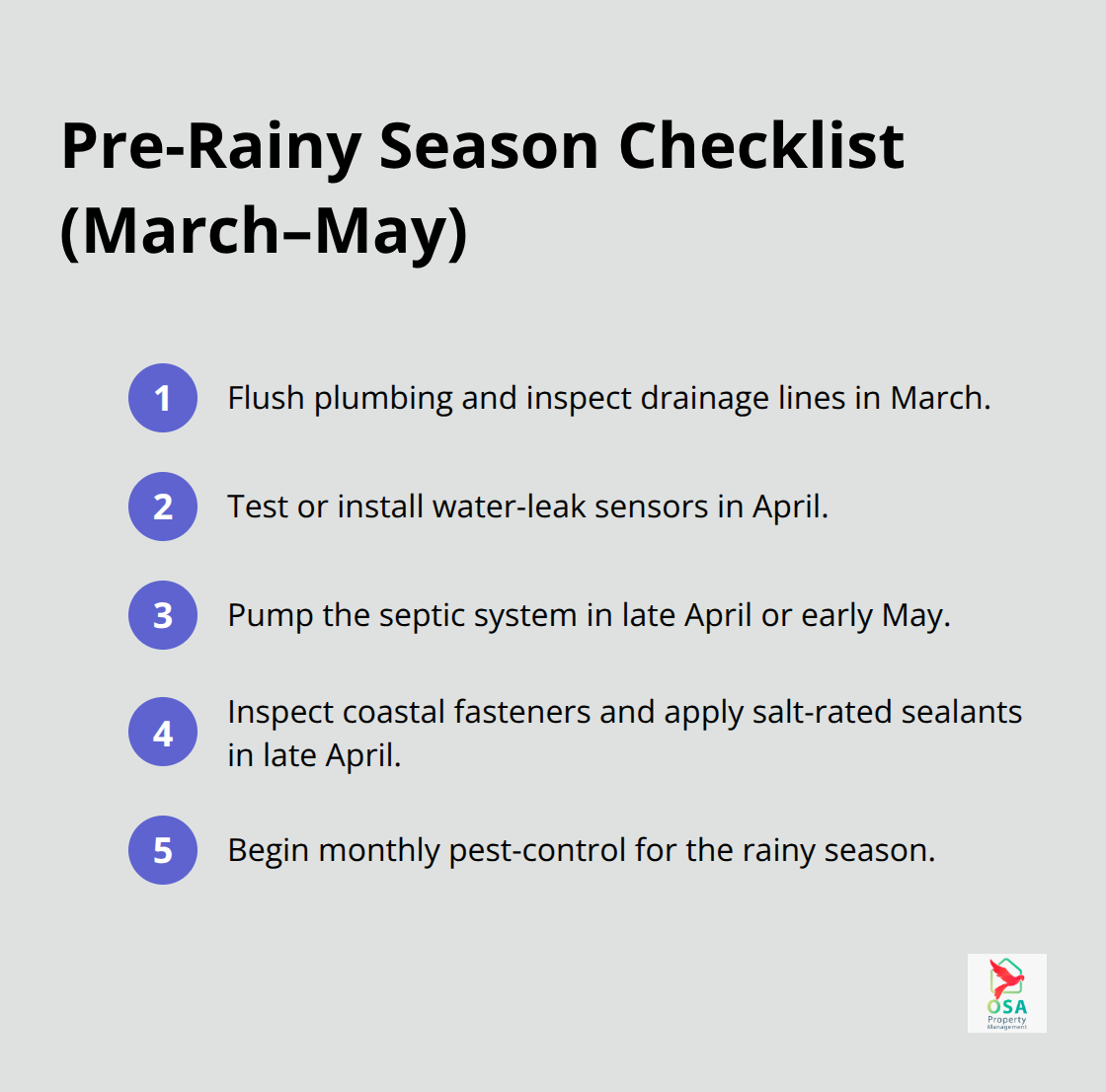
Have a licensed plumber flush your mineral-rich water systems and inspect all drainage lines in March, before the rainy season stresses these systems to their limits. Install or test your water-leak sensors in April because detecting hidden leaks during heavy rainfall prevents mold remediation costs when moisture infiltrates walls undetected. Schedule your septic system pumping in late April or early May at $300–$500 rather than waiting until September when the system has absorbed months of excess rainwater. Coastal properties require additional salt-air mitigation before the rains arrive, so inspect metal fasteners on roofs and exterior structures in late April and apply salt-exposure-rated sealants to vulnerable areas.
Taking Advantage of the Dry Season Window
The dry season from December through April offers a window for exterior work that rainfall would compromise. This period is ideal for repainting coastal properties every 2–3 years, as the absence of moisture allows marine-grade paint to cure properly and sealants to set completely, extending their protective lifespan. Schedule electrical system inspections and surge-protection installations during dry months when voltage fluctuations from rainy-season storms are absent, allowing technicians to establish baseline readings and identify vulnerabilities. Landscaping accelerates during this season, so invest in native plant selection and implement weekly maintenance schedules that prevent overgrowth from damaging drainage systems and foundations. Interior humidity management becomes easier in the dry season, so use this window to inspect dark, moist spaces for early mold signs and address ventilation problems that accumulated moisture during the rains.
Mid-Season Inspections Reveal Hidden Problems
October represents a critical secondary inspection point because it falls mid-rainy season when you can assess how your roof, gutters, and drainage systems actually perform under heavy rainfall rather than relying on pre-season assumptions. This October check costs another $150–$300 and often reveals problems that April inspections missed because actual weather conditions expose vulnerabilities that static inspections cannot predict. The data shows that mid-season assessments catch issues that pre-season evaluations overlook, making this October appointment as important as your April preparation work.
Hurricane Season Readiness Requires Immediate Action
Hurricane season preparation in September and October involves securing loose exterior items, trimming tree branches that could damage roofs, and confirming that your emergency fund of $2,500–$5,000 is accessible because post-hurricane repairs demand immediate cash for emergency contractors who charge premium rates. Properties in coastal regions face heightened risk during these months, so verify that your insurance coverage remains current and that your maintenance records are organized for potential claims. This advance preparation transforms hurricane season from a source of panic into a manageable risk period where you've already taken the steps that matter most.
Final Thoughts
Home maintenance in Costa Rica demands consistency, not heroic efforts after problems emerge. The three pillars of roof care, plumbing integrity, and pest control work together to protect your investment from the tropical climate's relentless assault. Preventive maintenance yields a 545% return on investment by avoiding emergency repairs and preserving your property's value and rental income, while skipping your April roof inspection or delaying that March plumbing check creates cascading failures that cost thousands to repair.
Your annual maintenance budget of 1–3% of property value sounds expensive until you compare it against water damage repairs exceeding $20,000 or drain-field failures costing $10,000 or more. Bi-annual roof inspections at $150–$300 each prevent mold remediation costs spiking above $3,000, and monthly pest control at $50–$100 stops termite damage before it compromises structural integrity. Homeowners who thrive in Costa Rica treat home maintenance Costa Rica as a scheduled business expense, not an afterthought, and they schedule plumbing checks in March and septic pumping in April because they've learned that waiting creates emergencies.
Osa Property Management transforms this burden into a managed system through coordination that most homeowners struggle with alone, from scheduling inspections to managing contractor relationships and tracking maintenance calendars. With over 20 years of experience across the southern Pacific zone, we understand the specific maintenance demands of different regions and property types. Start with your April roof inspection, schedule your March plumbing check, and commit to monthly pest control-or let our team handle the coordination that keeps everything working.