
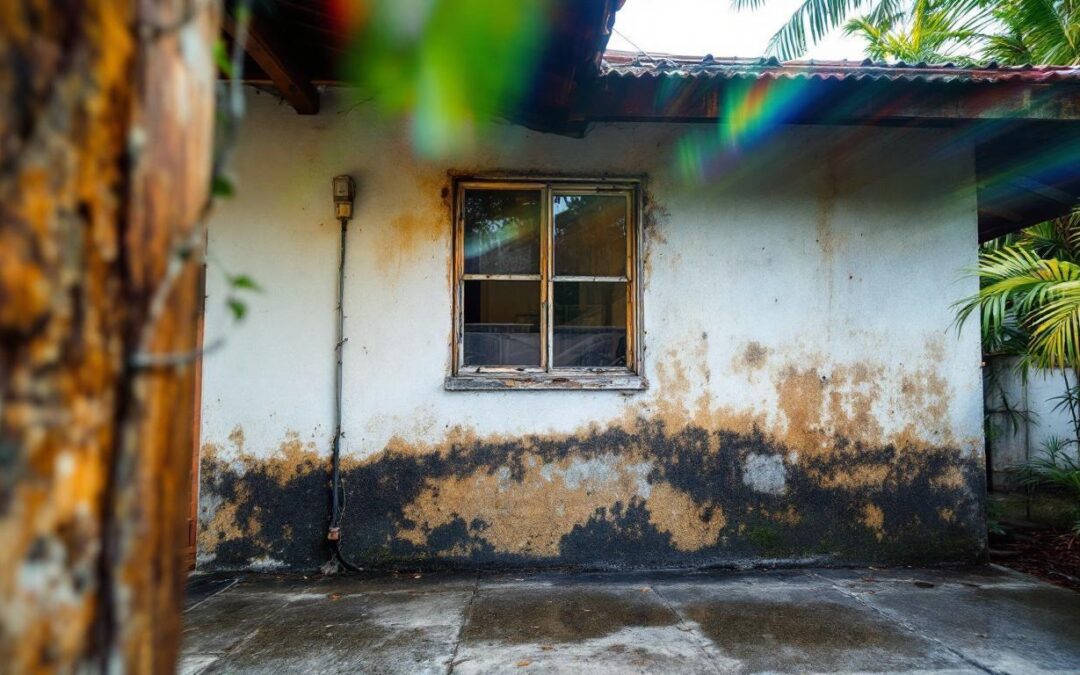
Costa Rica's tropical climate creates unique maintenance challenges that many property owners underestimate. Common maintenance mistakes in CR can turn small issues into expensive emergencies that drain your budget and damage your investment.
At Osa Property Management, we've seen how preventative care stops problems before they start. This guide shows you the mistakes to avoid and how professional oversight protects your property's long-term value.
Why Waiting for Emergencies Costs Thousands
Costa Rica's climate moves fast. A small roof leak that takes two weeks to notice in a temperate climate destroys interior framing in five days here. Humidity above 70% allows mold to begin growing within 24 to 48 hours of moisture exposure. Property owners who skip inspections until something breaks face repair bills that are three to five times higher than preventative work would have cost. Owners who delayed a $500 roof inspection often spend $5,000 to $8,000 fixing water intrusion damage that inspection would have caught before the rainy season. The difference between prevention and crisis response determines whether you own your property or your property owns you.
Inspect Before Problems Hide
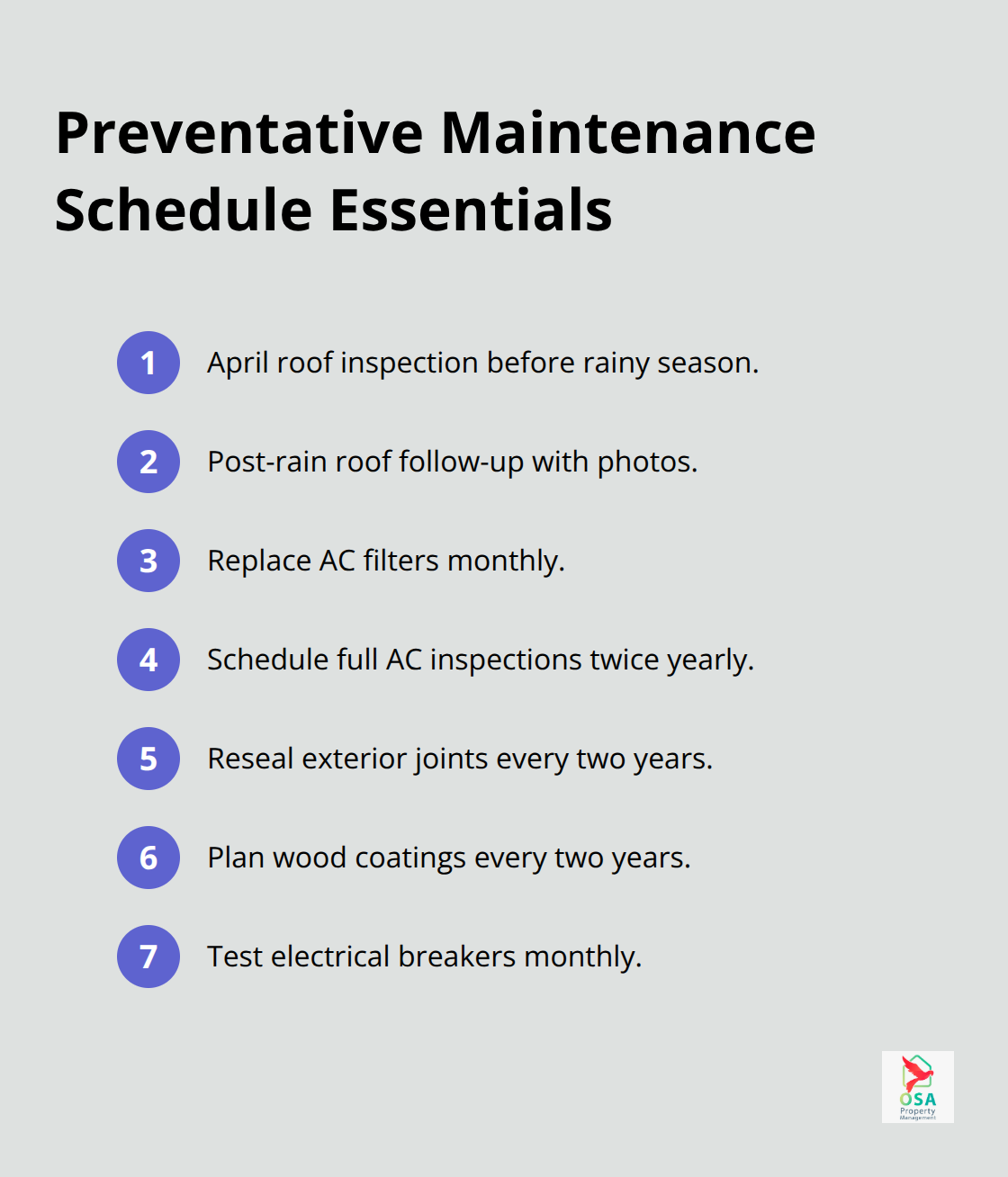
Roof inspections must happen every April, before the heavy rains arrive. Loose tiles, deteriorated rubber washers, damaged flashing, and blocked gutters fail silently until water finds its way inside. A professional inspection costs $100 to $200 and takes two hours. Water stains inside your home signal that damage has already started. Plumbing systems need annual inspections too, especially septic tanks that may be undersized for your actual occupancy. An undersized tank causes backups costing $2,000 to $5,000 to remediate. A local engineer can assess capacity for $300 to $500 before problems start. Electrical panels corrode in coastal spray environments. Test your breakers monthly by flipping them to verify smooth operation. Stuck breakers signal corrosion and need professional replacement before they fail under load, potentially causing fires or leaving you without power during an emergency.
Track Damage After Heavy Rains
After heavy rains, schedule a follow-up roof inspection and document findings with photos. This tracking prevents surprises and helps you budget repairs accurately. Photos create a visual record that contractors can reference for future work, saving time and money on repeat assessments.
Replace Filters and Seals on Schedule
Air conditioning filters need monthly replacement in Costa Rica, not quarterly like in other climates. Dirty filters cut efficiency and allow humidity to rise, accelerating mold growth. Schedule full AC inspections twice yearly-before the rainy season and before the hottest months-to check refrigerant levels and clean condenser coils. Exterior sealants around windows, doors, and trim fail quickly under tropical UV. Inspect annually and reseal every two years to stop water infiltration before it reaches drywall and insulation.
Plan Coating Work in Advance
Wood trim and railings in coastal areas need protective coatings every two years. These tasks take days to complete, not hours, so they demand advance scheduling with contractors who understand tropical maintenance rhythms. Waiting until deterioration becomes visible means you've already lost months of the material's lifespan. The contractors who handle these jobs book quickly during the dry season, so planning ahead prevents long delays when you finally need the work done.
The Three Mistakes That Drain Your Budget Fastest
Roof failures, mold infestations, and plumbing disasters account for the majority of expensive emergency repairs in Costa Rica. These three problems share a common cause: property owners delay action because they underestimate how quickly tropical conditions destroy materials and systems. A roof leak that seems minor in month one becomes structural rot by month four.
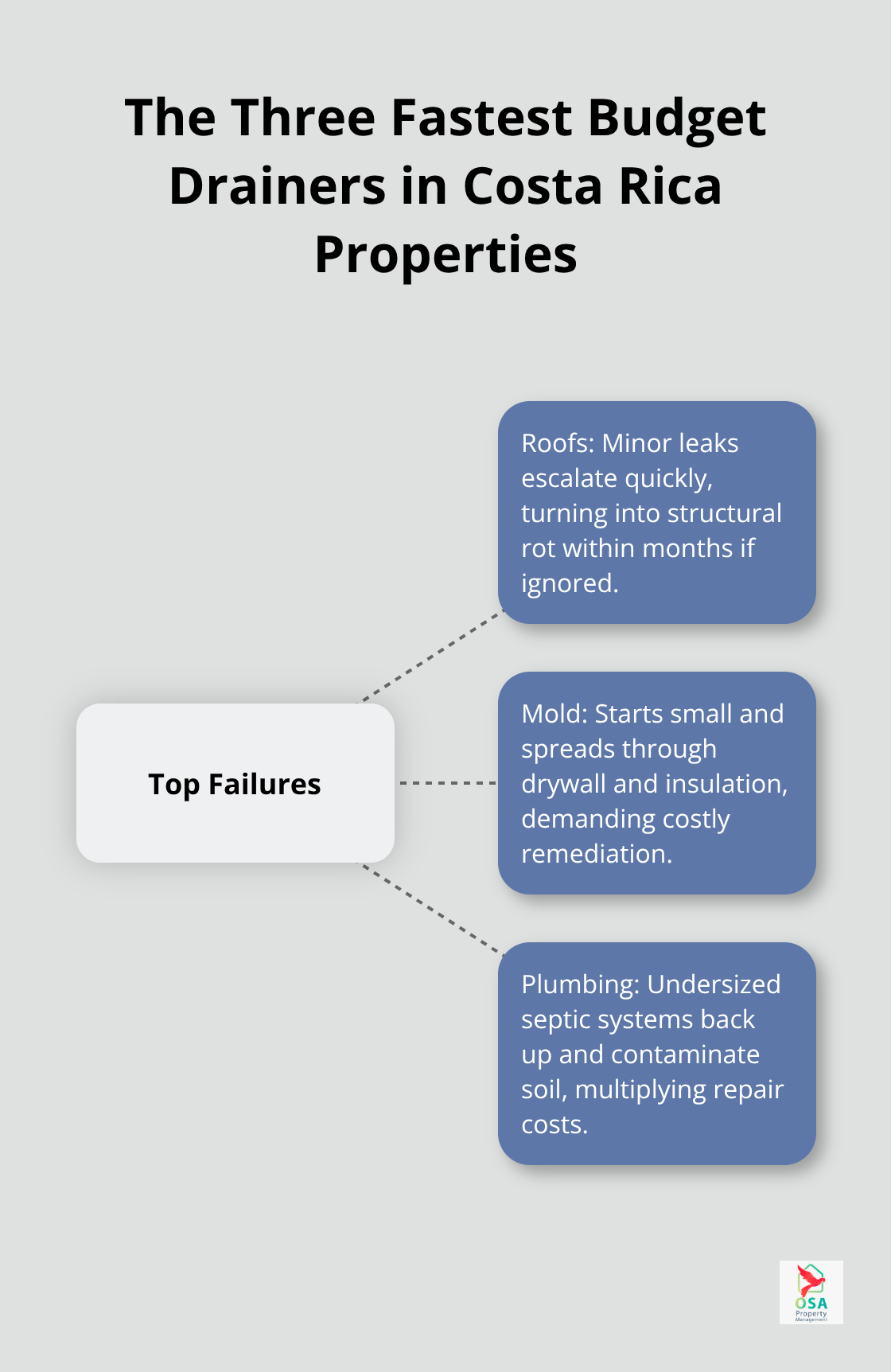
Roofs fail first because gutters hide their damage
Costa Rica receives 1,500 to 2,000 millimeters of rain annually in central Pacific zones and 3,000 millimeters or more farther south near Quepos and Manuel Antonio. That volume of water stresses every seal, joint, and gutter connection on your roof constantly. Rubber washers deteriorate in tropical UV within two to three years, yet most owners never inspect them until water appears inside. When you finally notice water stains on your ceiling, the structural damage underneath has already begun.
Schedule inspections immediately after heavy rains, not before them. After-rain inspections reveal whether your current system handles the volume or if water is finding paths it shouldn't. Photograph everything and keep records. This documentation prevents contractors from charging you twice for the same assessment and helps you understand whether a problem is new or recurring. Galvanized metal roof components corrode faster than most owners expect; protective coatings every three to four years extend roof life significantly compared to uncoated metal that fails in five to seven years.
Mold appears faster than you think and spreads faster than you can stop it
The EPA standard keep indoor relative humidity below 60 percent prevent mold growth. Most Costa Rica properties run 70 percent humidity or higher during rainy season, especially if air conditioning is inefficient. Dirty air filters are the primary culprit.
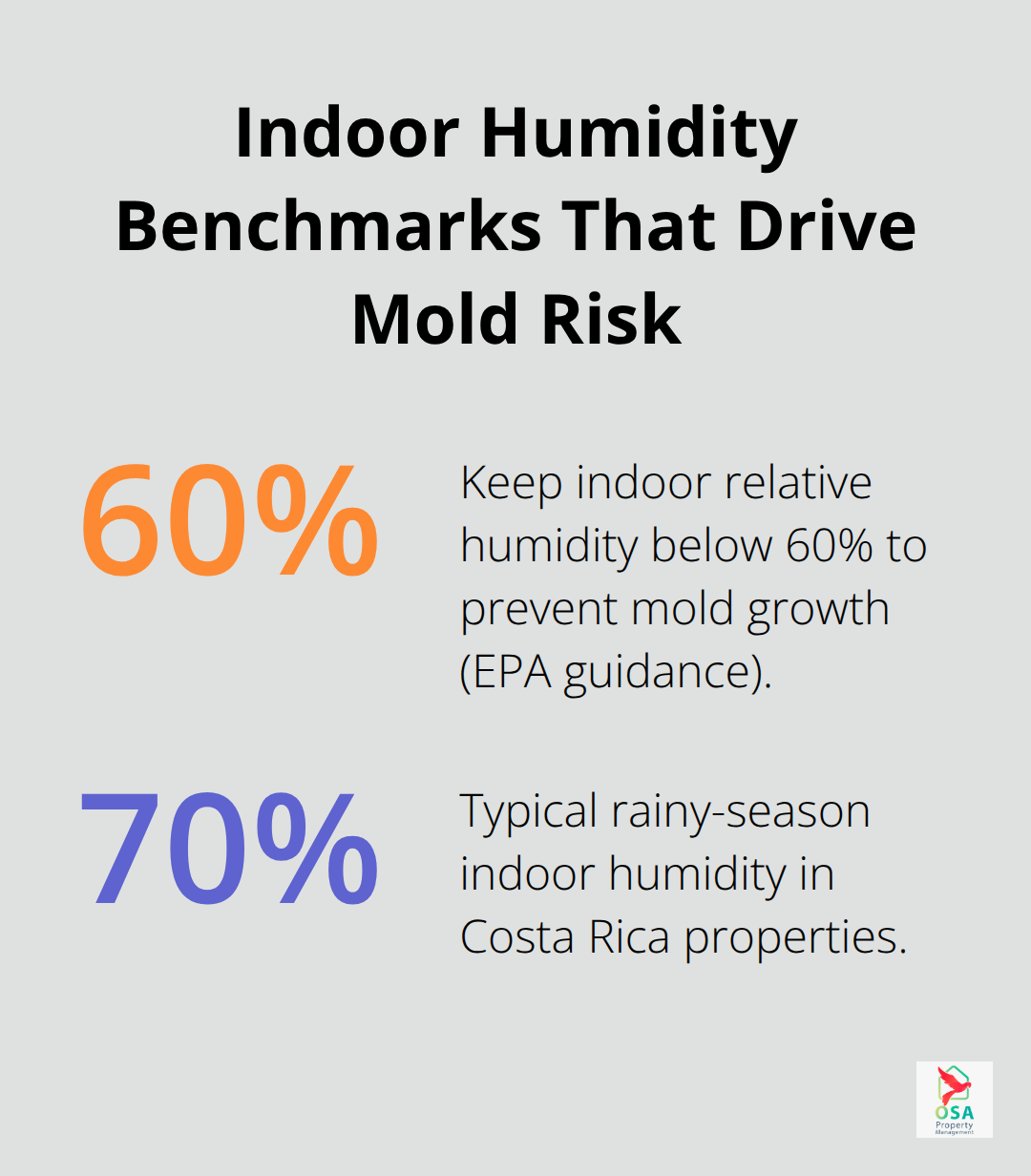
Monthly filter changes cost thirty dollars and prevent mold remediation bills in the thousands. If mold already exists in areas smaller than ten square feet, detergent and water work. Larger infestations require professional remediation that involves removing affected drywall, treating underlying framing, and replacing insulation. Once mold reaches your insulation, you cannot simply paint over it and hope the problem disappears. The damage continues invisibly inside the walls. Exterior stucco cracks within two to three years under equatorial UV, and those cracks channel water directly behind your finish where mold develops undetected until structural damage forces expensive repairs.
Plumbing systems need annual inspections, not emergency repairs
Septic tanks must be correctly sized for your actual occupancy, not the theoretical occupancy a real estate agent mentioned. An undersized tank causes backups that destroy your system and contaminate surrounding soil. A local engineer assessment costs $300 to $500 and takes one afternoon. Waiting until your plumbing backs up costs thousands for remediation plus potential soil replacement.
Water quality in Costa Rica causes corrosion on fittings faster than in mainland climates, so annual inspections for leaks and pressure issues prevent small failures from becoming catastrophic. Test your main water shutoff valve monthly to confirm it operates smoothly. A stuck shutoff valve during an emergency means water damage spreads unchecked while you wait for a plumber. Keep essential spares on hand: PVC fittings, shutoff valves, and hose clamps (total cost around fifty dollars) can stop a leak from destroying your home while waiting for contractor availability.
These three systems demand attention before they fail. Professional property management catches these problems early and coordinates the contractors who fix them right the first time.
How Professional Property Management Stops Problems Before They Start
Professional property management transforms maintenance from a crisis-driven scramble into a predictable, documented system that catches failures at the inspection stage instead of the emergency stage. A scheduled maintenance program ties specific tasks to seasonal weather patterns and material lifecycles rather than reacting after damage appears. April roof inspections happen before the rainy season arrives, not after water stains appear on your ceiling. AC filter replacement happens monthly, not when your unit stops cooling. Sealant reapplication happens on a two-year cycle, not when cracks are visible from the street. This rhythm prevents the three-to-five-fold cost multiplier that separates preventative work from emergency repairs.
Seasonal Scheduling Prevents Contractor Delays
Contractors who understand tropical maintenance know which materials fail first and when. They schedule work during the dry season when weather cooperates and availability is highest. A property manager coordinates these tasks across your roof, plumbing, electrical, AC, exterior finishes, and pest control without requiring your constant attention from abroad. You receive documentation after each inspection-photos, contractor reports, costs, warranty details-so you own a complete record of your property's condition instead of scattered memories and contractor business cards.
Building a Trusted Contractor Network
Finding trustworthy contractors in Costa Rica demands more work than calling a licensed company in North America because no equivalent to the Better Business Bureau exists here. Interview your top three contractor candidates and verify references with previous clients who live nearby. Request a formal contract that specifies start dates, completion dates, materials, total cost, and payment schedule. Under a retainage structure, a small percentage of each payment, usually 5 to 10 percent, is withheld until substantial or final completion. Require lien releases from all subcontractors so you don't discover months later that someone wasn't paid and has a claim against your property.
Documentation Creates Your Property's History
Documentation after every repair-contractor name, dates, materials used, costs, warranty period-prevents disputes and supports future warranty claims when a contractor's work fails prematurely. A seasonal maintenance calendar assigned to a caretaker or property manager ensures tasks happen on schedule instead of being forgotten until the next emergency forces your hand. This record protects your investment and simplifies future decisions about which systems need attention or replacement.
Professional Management Handles the Coordination
A property manager coordinates contractors, maintains warranty records, and provides transparent updates about your property's condition. This approach eliminates the burden of managing multiple contractors across different time zones while you live abroad. The right property management company (with experience in Costa Rica's specific climate challenges) transforms maintenance from a source of stress into a predictable expense that protects your property's long-term value.
Final Thoughts
The math is simple: spending $500 on preventative roof inspections saves $5,000 to $8,000 in water damage repairs. Spending $30 monthly on AC filters prevents mold remediation bills in the thousands. Common maintenance mistakes in CR happen because property owners treat inspections as optional until emergencies force their hand, and at that point the cost multiplier has already kicked in. Tropical conditions move faster than temperate climates-mold grows in 24 to 48 hours, roof leaks become structural rot in months, and plumbing failures contaminate soil and destroy systems.
A seasonal maintenance calendar tied to rainfall patterns and material lifecycles transforms maintenance from a crisis-driven scramble into a predictable system that protects your investment. Contractors must be vetted, scheduled, documented, and verified; warranty records must be maintained; follow-up inspections must happen after heavy rains; and filter changes must occur monthly, not quarterly. This rhythm requires someone on the ground who understands Costa Rica's specific climate challenges and has relationships with contractors who deliver quality work.
We at Osa Property Management coordinate these tasks across the southern Pacific region, managing properties in Tarcoles, Jaco, Dominical, Manuel Antonio, Ojochal, Uvita, and Golfito with a team of over 40 full-time employees. Contact us to learn how professional property management makes prevention automatic by building it into every season and every system.